Every two to four years, national commentators dust off the same narrative: Texas is finally on the verge of turning purple.
It makes a great storyline. Rapidly growing metropolitan centers, shifting demographics in suburban rings, and eye-popping fundraising numbers lead political pundits to predict a imminent breakthrough for Texas Democrats. But if you actually look at how elections play out on the ground, that purple horizon keeps receding.
The idea that Texas is a swing state in waiting completely misreads the state's political wiring. Texas isn't blue, and it isn't purple—it remains firmly red, anchored by a deep-seated conservative establishment, massive rural turnout, and evolving voter behaviors that defy simple demographic assumptions.
The Myth of Demographics as Political Destiny
For over a decade, national election strategists operated under a basic assumption: as Texas grew more diverse and urban, it would naturally lean more Democratic. The reality turned out far more complicated.
Demographics aren't political destiny. The assumption that non-white voters vote as a single monolithic block has repeatedly fallen apart in election after election across the state.
Take the South Texas border regions. Historically considered reliable Democratic strongholds, counties throughout the Rio Grande Valley have shifted steadily toward conservative candidates. Local economies tied heavily to oil, gas, agriculture, law enforcement, and border security mean economic and social issues often outweigh national party lines.
At the same time, while urban epicenters like Houston, Dallas, Austin, and San Antonio vote consistently blue, the surrounding suburban counties—the infamous "ring counties"—don't always follow national polarization trends. Instead of flipping outright, many suburban voters remain fiscally conservative while occasionally splitting tickets based on individual candidates rather than party labels.
Turnout Gaps and Local Realities
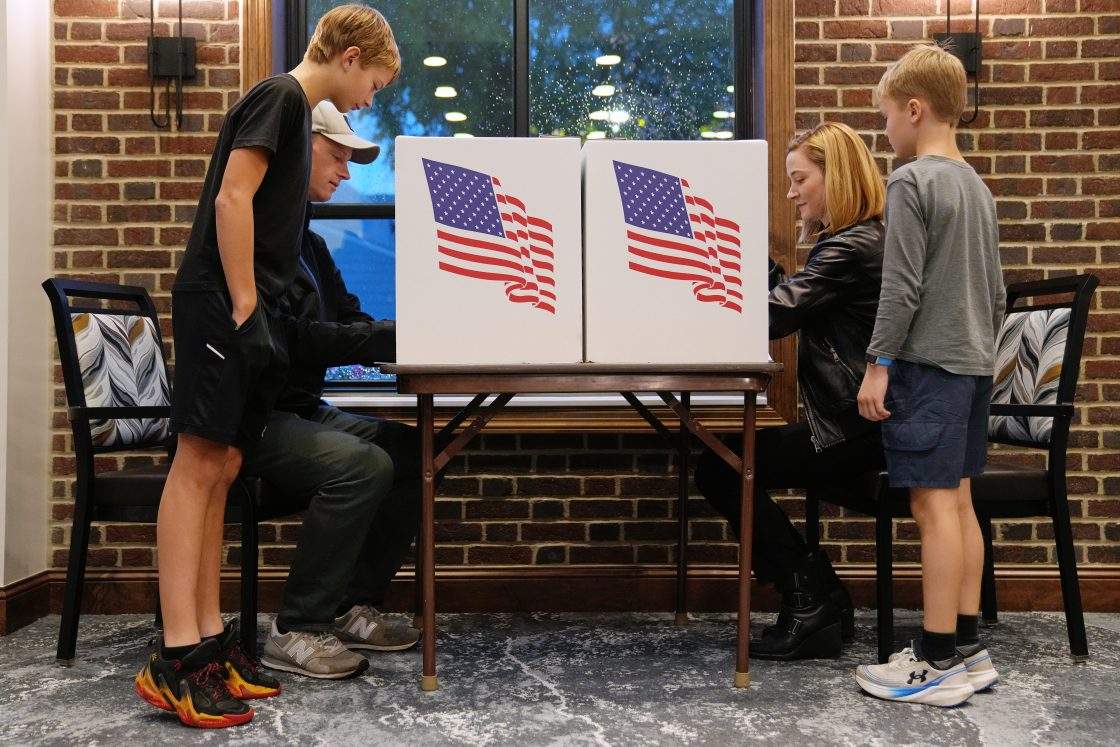
Another major hurdle facing any Democratic push in Texas comes down to raw participation numbers.
Texas routinely logs lower voter turnout rates compared to national averages during midterm cycles. In the 2022 Texas midterm elections, out of more than 17.6 million registered voters, only about 8.1 million cast ballots—a turnout rate of roughly 45.9%. Over 9.5 million registered voters simply stayed home.
In that governor's race, incumbent Republican Greg Abbott defeated Democratic challenger Beto O'Rourke by nearly 11 percentage points, securing roughly 4.43 million votes to O'Rourke's 3.55 million. Despite O'Rourke raising record sums and building a massive grassroots fundraising apparatus, he actually finished with fewer total votes than he did during his 2018 U.S. Senate bid against Ted Cruz, where turnout hit historic highs for a midterm year.
Mobilizing urban voters across a state that spans 268,597 square miles requires an enormous, persistent ground operation, not just a burst of national media attention during high-profile cycles.
Key Factors Keeping Texas Red:
- Strong GOP performance in suburban and rural counties
- Shifting voter trends in South Texas and border communities
- Consistent voter turnout gaps in major urban centers
- Robust statewide Republican campaign infrastructure
Money Doesn't Overcome Structural Advantages
National donors often pour tens of millions of dollars into high-profile Texas races, hoping a charismatic candidate or a well-funded campaign can force a breakthrough. But money only goes so far when facing structural disadvantages.
Texas Republicans maintain an exceptionally disciplined statewide network. Their apparatus reaches into all 254 counties, ensuring that even if urban centers turn out heavy Democratic margins, rural and mid-sized counties deliver overwhelming counter-balances. In many rural counties, Republican candidates routinely secure 70% to 80% or more of the total vote.
When a candidate wins rural counties by 50-point margins, urban centers have to produce massive turnout spikes just to keep the contest competitive statewide.
Practical Steps for Evaluating Political Signals in Texas
If you want to track whether Texas is actually shifting political colors or just generating campaign noise, stop focusing solely on national headlines and start watching these specific indicators:
- Monitor South Texas precinct data: Watch precinct-level shifts in Hidalgo, Cameron, Webb, and Starr counties. If conservative margins hold or expand there, statewide Democratic paths remain exceptionally narrow.
- Track suburban margin shifts: Look closely at Collin, Denton, Fort Bend, and Montgomery counties. A true purple shift requires Democrats not just to narrow margins in these suburbs, but to win them outright.
- Compare primary vs. general election voter lists: Check whether non-voters in midterms are participating in primaries. High primary engagement usually signals well-organized local networks.
- Evaluate down-ballot judicial and legislative races: Statewide top-of-ticket races grab attention, but state house seats and appellate courts reveal whether party infrastructure is building long-term strength.
The narrative of Texas turning purple may sell campaign merchandise and generate clicks during election season, but state election returns continue to tell a very different story.
https://www.youtube.com/watch?v=jV4gZCZ8uFM
This video provides direct polling analysis from the Texas gubernatorial race, illustrating the specific polling gaps and voter trends that kept the state comfortably in conservative hands.