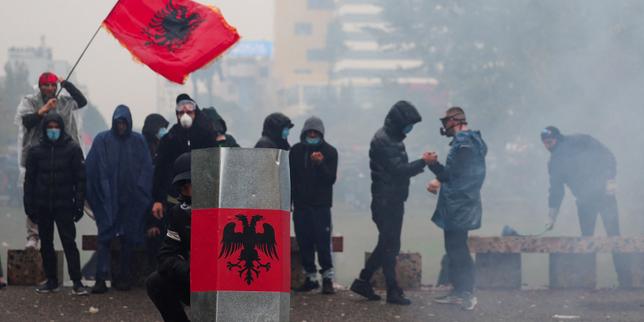
Thousands of people flooded Tirana on Saturday, November 28, 2026, turning Albania's 114th Independence Day into a fierce confrontation over Tirana protests. What started months ago as anger over coastal land and luxury building plans has hardened into a direct challenge to Prime Minister Edi Rama, who has led the country since 2013.
Tear gas and water cannons answered rocks, flares, and broken glass around central streets and government buildings. Police set up vehicle checks along roads into the capital, while crowds chanted for Rama to step down. A few people were hurt, and the tension felt miles away from a normal holiday parade.
If you look at the coverage from outlets like Le Monde, the picture is clear on the surface: big crowds, clashes with police, a frustrated capital. Yet stopping at the street fight misses why this anger refuses to burn out. Albanians aren't just mad about one rally or one minister. They're pushing back against a system that many feel leaves ordinary people behind while big money reshapes the coast.
How Tirana Protests Grew From Coastline Anger to Systemic Demands
Most people outside the Balkans only tune in when smoke rises over Skanderbeg Square. That misses the slow fuse that lit this movement.
Demonstrations kicked off back in May 2026 around protected coastal areas near Zvërnec and the Vjosa–Narta wetland ecosystem, where plans for a large luxury resort project linked to Jared Kushner's firm, Affinity Partners, sparked fierce local pushback. Locals worried about land rights, bulldozers, and damage to sensitive habitats home to flamingos, sea turtles, and monk seals. Activists picked up the flamingo as a symbol, giving rise to what reporters and locals have called the "Flamingo movement" or "Flamingo Revolution."
Then student protests picked up steam in autumn, especially from mid-October onward, as young people tied coastal grievances to low wages, university conditions, and everyday living costs. Retirees living on tiny pensions and Albanians who moved abroad joined the chorus. When thousands showed up on November 28, they weren't fighting over a single fence anymore. They were demanding Rama's resignation and a deeper shake-up of Albanian politics.
Honest take: governments love blaming "outside agitators" when street anger gets loud. Rama has pointed to foreign interference, while Deutsche Welle has noted scant evidence that foreign powers orchestrated the movement itself, even if outside actors try to ride the wave online. When students, retirees, and diaspora visitors all show up on a national holiday, the spark comes from home.
Why Everyday Pressures Matter as Much as Headlines
You don't spend months marching or traveling back from abroad just for drama. People show up when daily math stops working.
Look at the voices coming out of the crowds:
- Cost of living and pensions: Retirees have spoken openly about trying to get by on roughly 120 euros a month while prices and rent pinch everyone else.
- Jobs and migration: Many young Albanians feel stuck between low pay at home and leaving for Western Europe, creating a sense that whole communities are hollowed out.
- Distrust of old parties: Some demonstrators argue that the main parties around since the fall of communism in the 1990s have lost touch, pushing citizens toward street action instead of traditional politics.
- Corruption and fairness: Allegations of graft and sweetheart deals make regular citizens wonder who really gets a say when major projects move fast.
Rama's government pushes back hard. Officials argue they're fighting corruption more seriously than before and keeping Albania on track toward European Union membership—a goal tied to a 2030 target window. In late October, authorities also passed tough rules bringing steep fines—up to 500,000 lek, or a bit over $6,000—for protest violence, looting, or covering one's face, along with tighter limits near public buildings and online incitement.
Here's the catch with crackdowns. Fines and water cannons can thin a crowd for a week, yet they don't raise a 120-euro pension or fix a student's outlook. Sometimes heavy policing cools the streets; sometimes it convinces people the system won't budge without a fight.
What Clashes on Independence Day Reveal About EU Ambitions
Watching tear gas drift through Tirana on November 28 is jarring if you picture Albania mainly as a sunny Balkan getaway or an EU candidate in waiting. Street clashes and EU integration don't mix easily.
European Union officials have urged calm, called for looking into allegations of excessive police force, and reminded all sides that peaceful protest is a basic right while violence isn't the answer. That puts Tirana in a tight spot. Brussels watches rule of law, democratic norms, and crowd control closely.
At the same time, opposition figures and critics say concentration of power and graft hurt the very institutions Albania needs to reform. Supporters of the government counter that order and stability are essential and that opponents have crossed into property damage and disorder. Both sides are fighting over the same story: who protects Albania's future?
Honestly, the clash isn't just between protesters and riot police. It's between a government selling long-term vision and citizens feeling the squeeze right now. You can promise a brighter European future for years, yet people judge leadership by whether rent, healthcare, and public trust feel fair today.
Practical Ways to Follow What Comes Next
If you're tracking this story—whether you live in the region, have family in the diaspora, or just want accurate context beyond viral clips—don't rely on ten-second clash videos.
- Check multiple wire and regional reports: Compare accounts from outlets like the Associated Press, AFP, Deutsche Welle, and Balkan coverage to separate verified injuries, arrests, and policy moves from rumor.
- Watch legal and parliamentary follow-ups: Pay attention to court rulings on detainees, how the late-October protest law is applied in practice, and whether student groups accept or reject talks.
- Separate peaceful marchers from violent actors: Crowds in Tirana have included students, families, and retirees alongside masked youths throwing stones or flares—lumping everyone together blurs what's actually happening.
- Track economic and EU signals: Keep an eye on wage and pension debates, local land disputes along the coast, and formal statements from EU institutions, which show whether the standoff is shifting policy or just repeating street cycles.
Big moments like November 28 grab attention fast, yet real shifts usually show up in what happens on quiet Tuesdays afterward. Keep watching who steps back, who digs in, and whether anyone actually listens.