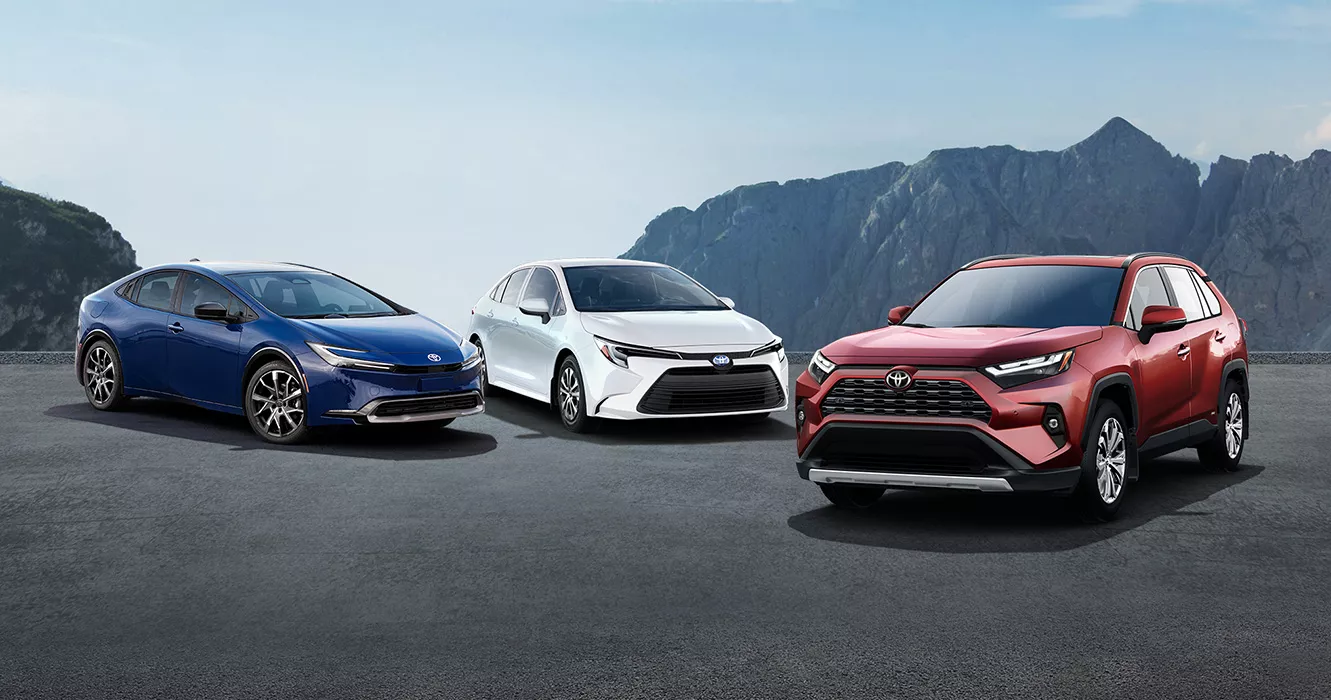
Everybody in Detroit and Silicon Valley spent the last five years laughing at Toyota. While legacy competitors and tech startups poured billions into all-electric fleets, Akio Toyoda kept preaching caution. He argued that charging infrastructure was a mess, raw materials were too volatile, and drivers weren't actually ready to cut the cord entirely.
The market just proved him completely right.
Toyota recently lifted its full-year net profit forecast to 3.57 trillion yen, driven by a massive wave of demand for petrol-electric hybrids in North America. Operating profit for the quarter easily beat Wall Street estimates, sending shares surging. Instead of writing off billions in unsold electric vehicle inventory like several major rivals had to do, Toyota stuck to the technology it pioneered with the Prius decades ago.
Let's look at why this strategy worked so well while others stumbled.
The Real Reason Drivers Are Choosing Hybrids
Range anxiety isn't going away. Public charging stations remain unreliable, crowded, or completely broken in large parts of the United States. Add in high interest rates and stubborn inflation, and dropping sixty grand on a pure battery-electric vehicle suddenly looks like a terrible financial decision for the average household.
Hybrids hit the sweet spot. You get massive fuel savings, you never have to plug anything into your garage wall, and you don't worry about being stranded in a winter snowstorm. Toyota built its entire supply chain around mastering this specific middle ground. When fuel prices spike due to global supply disruptions, buyers flood showrooms looking for efficiency without compromise.
Facing Headwinds in China
It's not all smooth driving, though. You cannot talk about Toyota right now without addressing the brutal reality in China.
Unit sales in the Chinese market plunged significantly as aggressive local competitors like BYD undercut legacy automakers with cheap, highly sophisticated electric models. Toyota is scrambling to adjust, leaning on local joint ventures and planning advanced manufacturing techniques like gigacasting for upcoming Lexus models by 2027.
Competitors thought they could ignore traditional hybrids and leap straight into the future. They forgot that consumers care about affordability and convenience above corporate carbon pledges.
What the Rest of the Auto Industry Is Learning Now
Look at the numbers coming out of traditional manufacturers. While pure EV adoption curves have flattened relative to early hype, hybrid demand is consistently outstripping supply. Dealership lots tell the story: electric models sit waiting for buyers while hybrid trims sell the moment they roll off the transport truck.
Toyota mitigated rising raw material costs and currency fluctuations by ruthlessly optimizing global supply chain management and leaning into its high-margin hybrid lineup. A weak yen helped international competitiveness, but the core engine of this financial beat was pure product-market fit.
If you're building a car company today, the playbook has changed. Stop assuming consumers want an all-or-nothing transition. Give them reliability, efficiency, and real-world practicality, and the stock market will reward you for it.