Prescription drug pricing in America is getting a massive shakeup. President Donald Trump just announced that all 50 states are officially signing onto a program designed to inject Most-Favored-Nation pricing into the Medicaid program. If you have been following healthcare policy, you know this is a big deal.
The administration calls this the GENEROUS model. The core idea is simple. Pharmaceutical manufacturers striking deals with the federal government must agree to provide state Medicaid programs with rebates on expensive brand-name drugs. The goal? Making sure the final price paid by Medicaid matches the absolute lowest price found in other developed nations.
Let us break down what is actually happening, why the White House claims this will transform state budgets, and what critics say is missing from the picture.
What the GENEROUS Medicaid Model Actually Does
For years, Americans have paid significantly higher prices for prescription drugs than patients in other affluent countries. Trump signed an executive order pushing a Most-Favored-Nation policy to close that gap.
Under the newly announced 50-state rollout, participating drug manufacturers must ensure that state Medicaid programs do not pay more than international benchmark prices. This covers hundreds of individual drugs across major therapeutic classes. Think treatments for oncology, diabetes care, and asthma—medicines that form a massive chunk of recurring healthcare spending for low-income patients.
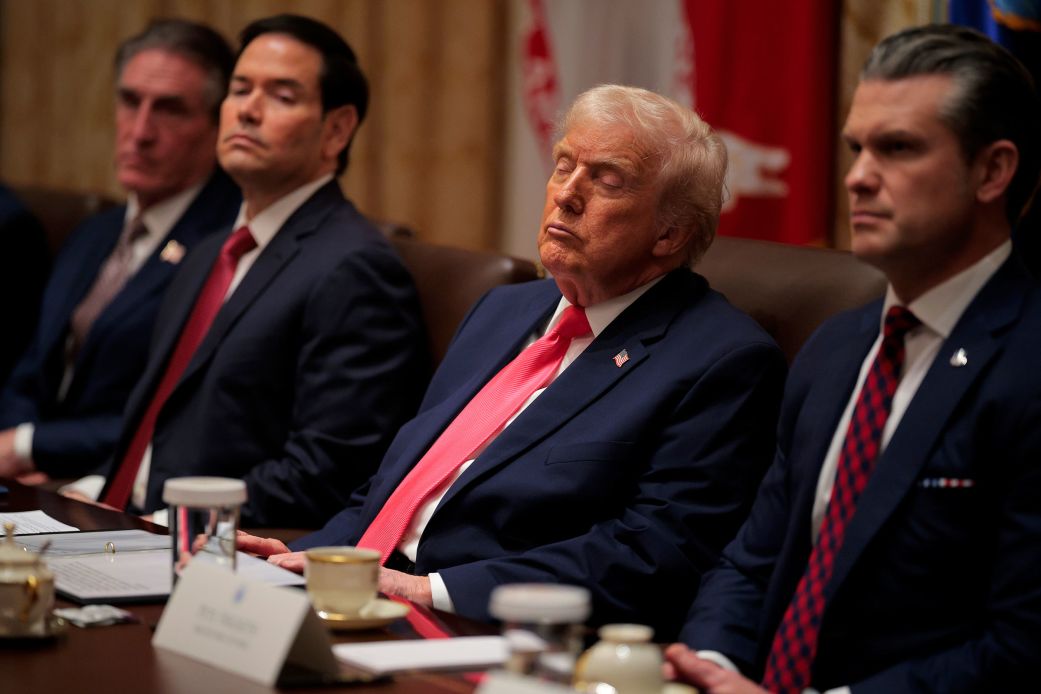
Flanked in the Oval Office by Health and Human Services Secretary Robert F. Kennedy Jr. and Centers for Medicare & Medicaid Services Administrator Mehmet Oz, Trump made his political ambitions clear. He stated bluntly that this specific initiative could single-handedly shape the outcome of the upcoming midterms.
State budgets are tight. While Medicaid beneficiaries typically pay only a nominal co-payment of a few dollars for prescriptions, the underlying cost of drugs weighs heavily on state treasuries. Federal and state governments share Medicaid expenses. By cutting the net price of high-cost medications through manufacturer rebates, the White House argues that state treasuries will unlock billions.
The Numbers Behind the Claims
The administration's Council of Economic Advisers has rolled out some striking figures. Over the next decade, projected taxpayer savings are expected to hit tens of billions of dollars specifically through the Medicaid drug pricing model. Out of that total, federal savings are estimated at $36.6 billion, while state governments are projected to pocket around $27.6 billion.
Trump argues that every state will have the ability to redirect these extra billions toward broader healthcare improvements or other local infrastructure needs.
Yet, looking at these projections requires a dose of reality. Critics and independent policy groups point out a major hurdle. Few details of the actual private deals struck between the administration and the participating pharmaceutical companies have been made public.
Without granular data, independent economists find it difficult to verify the long-term cost-savings claims. Kathy Hempstead, a senior policy adviser at the Robert Wood Johnson Foundation, highlighted this barrier in statements to the press. She noted that while the administration wants Congress to codify its Most-Favored-Nation arrangements, lawmakers face a tough road when the underlying contract details remain opaque.
The Pushback and Unanswered Questions
Transparency isn't the only concern floating around political and healthcare circles.
Skepticism remains regarding the longevity of these price cuts. What happens when the current administration leaves office? Will pharmaceutical companies attempt to revert prices, or will these contractual rebates stick permanently?
Furthermore, some advocacy groups argue that the current framework does not go far enough. JD Hayworth, a spokesperson for the Pharmaceutical Reform Alliance and a former Republican congressman, noted that while the 50-state Medicaid integration is meaningful progress, the policy remains incomplete because millions of Americans outside government healthcare programs still struggle with high out-of-pocket drug costs.
While the administration points to separate initiatives like TrumpRx.gov for direct-to-consumer discounts, the broader commercial insurance market operates under entirely different rules. Most Americans get coverage through private employers or individual markets, meaning they might not feel the direct impact of these Medicaid-specific manufacturer rebates immediately.
What Happens Next
If you run a state health agency, the immediate next step involves looking closely at how these federal agreements translate into state-level purchasing contracts and pharmacy benefit management workflows.
For everyday observers, the rollout of the 50-state model serves as a major test case for international reference pricing inside American public health programs. Whether the projected billions materialize in state savings depends entirely on how strictly pharmaceutical companies adhere to the rebate structures over the coming years.
Watch how individual state legislatures decide to allocate their anticipated savings. The true test of this policy won't be found in White House press releases. It will show up in state fiscal reports and whether patients notice a stabilized healthcare market.