When a sitting president sues his own administration over leaked tax records, normal legal boundaries tend to blur. Donald Trump did exactly that in January 2026, weaponizing the court system to target the Internal Revenue Service and the Treasury Department. What followed was an extraordinary out-of-court settlement, a massive political brawl over a multi-billion-dollar "anti-weaponization" fund, and a lingering audit shield that refuses to die quietly.
Even though Acting Attorney General Todd Blanche folded on the controversial $1.8 billion slush fund to save his confirmation, watchdog groups and legal challengers aren't letting the executive branch off the hook. A newly expanded lawsuit filed in federal court takes direct aim at the remaining tax-audit immunity deal. It's a high-stakes fight over executive overreach, and it exposes how powerful political figures can quietly rewrite rules behind closed doors.
How the Settlement Created a Special Class of Taxpayer
The controversy began when the Justice Department settled Trump's $10 billion lawsuit over leaked tax records. The initial May 2026 agreement did two major things. First, it established a massive financial pool intended to compensate individuals claiming government targeting. Second, it included a quiet addendum issued by Blanche.
That addendum ordered the IRS to halt all current and pending audits and inquiries into the Trump family and associated business entities for tax returns filed before mid-May 2026.
Critics immediately pointed out the obvious conflict. Career IRS employees were suddenly ordered to drop active investigations into the president and his relatives. For average Americans facing strict compliance standards and automated audits, watching the commander-in-chief secure a retroactive get-out-of-audit-free card felt like a blatant double standard. Legal scholars noted this maneuver could erase potential liabilities worth upward of $100 million in back taxes and penalties tied to complex property disputes.
The Scramble Over the Slush Fund and Blanche's Nomination
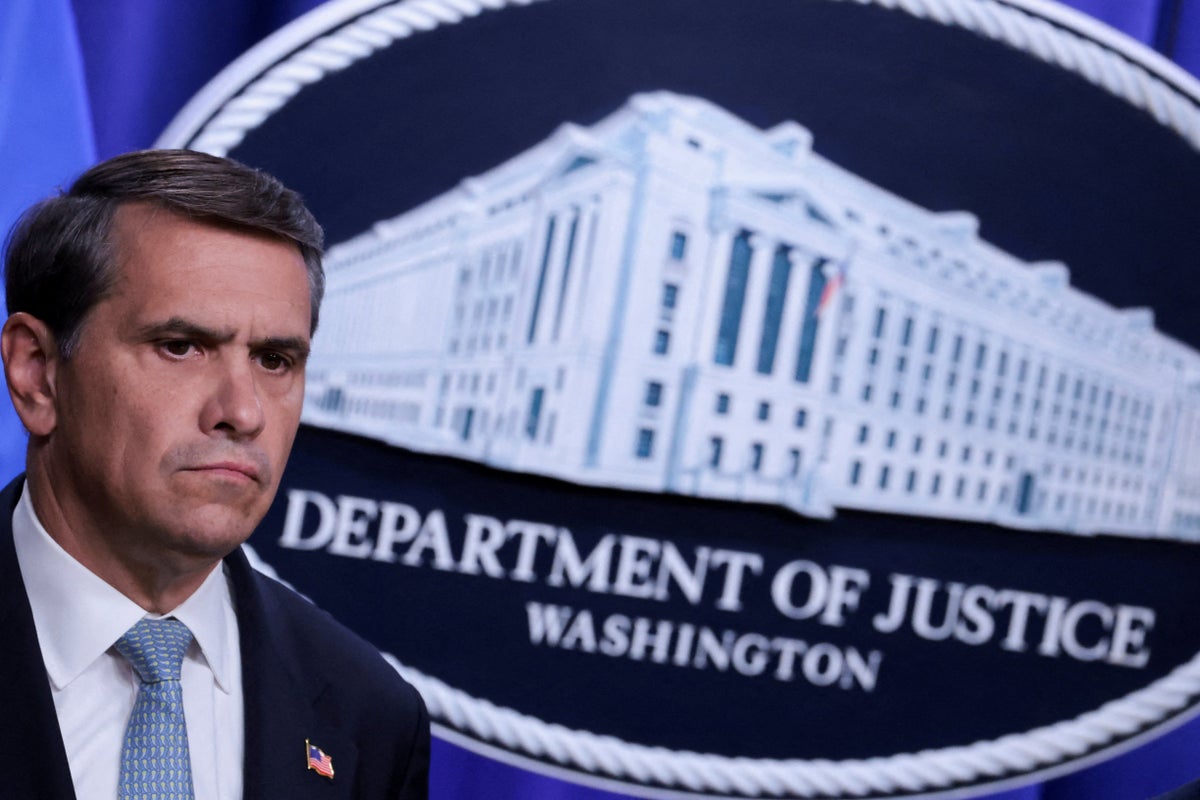
The political fallout hit a fever pitch when Blanche faced the Senate for his permanent confirmation as Attorney General. Key Republican senators balked at the sheer size and optics of the $1.8 billion slush fund.
Under intense pressure, Blanche threw the fund overboard. He issued statements and written orders claiming the anti-weaponization pool was dead and non-operative. That concession was enough to win over reluctant holdouts like Senators John Cornyn and Thom Tillis, clearing the path for Blanche's advancement.
Yet, Blanche's retreat was strategically narrow. His public statements addressed only the financial slush fund, leaving the underlying tax audit immunity completely untouched. Legal experts quickly called out the wordplay. An unsigned memo or social media post does not legally dismantle a formal Justice Department directive.
Why the Amended Lawsuit Changes the Game
Recognizing that the audit shield survived the political compromise, advocacy groups returned to federal court. The amended complaint argues that Blanche's half-measures are legally toothless and that the immunity order violates both the Internal Revenue Code and the U.S. Constitution.
The Internal Revenue Code explicitly bars presidents from directly or indirectly interfering with individual tax audits. By forcing the IRS to lay down its arms regarding presidential finances, the administration crossed a bright statutory line. Furthermore, plaintiffs argue that shielding a president's private businesses from tax liabilities functions as an unconstitutional emolument.
Federal judges are taking notice, too. District Judge Kathleen M. Williams previously criticized the administration's cozy settlement tactics, noting a complete lack of genuine defense from government lawyers during the initial proceedings.
What Happens Next in the Courts
The fight is far from over. While the administration fights to preserve its executive protections on appeal, the courts are being forced to decide whether a settlement agreement in a privacy lawsuit can override federal tax law.
If this immunity deal stands, it sets a dangerous precedent. It establishes a blueprint for future executives to sue their own agencies, settle out of court, and carve out permanent exemptions from accountability. Transparency advocates and tax compliance experts will keep pressing the judiciary to strip away these protections, ensuring that even the highest office holder remains subject to the laws written for everyone else.