The White House thought it found a clever loophole. It didn't. A federal judge just slammed the brakes on Donald Trump's latest attempt to strip birthright citizenship from newborns, ruling the administration's new carveouts are almost certainly unconstitutional.
If you've been following the ping-pong match between the executive branch and the federal judiciary over the 14th Amendment, you know this fight is far from over. Maryland District Judge Deborah Boardman issued a preliminary injunction halting the administration's newest directives. These latest executive orders targeted specific groups of newborns, trying to bypass a landmark Supreme Court defeat handed down earlier in the year.
Let's look at what actually happened, why the administration's strategy backfired, and what this means for families caught in the crosshairs.
The timeline of a constitutional standoff
Donald Trump came out swinging on day one of his term, signing an executive order aimed at upending more than a century of American legal precedent. The goal was simple: deny automatic citizenship to babies born on U.S. soil if their parents lacked permanent legal status.
That move triggered an immediate chain reaction of lawsuits. The legal battle climbed all the way to the Supreme Court. In June, a divided high court ruled against the administration, affirming that children born in the U.S. to parents who are unlawfully or temporarily present remain "subject to the jurisdiction" of the country. They are citizens at birth. Period.
Most politicians would take a Supreme Court loss as the final word. Not this administration.
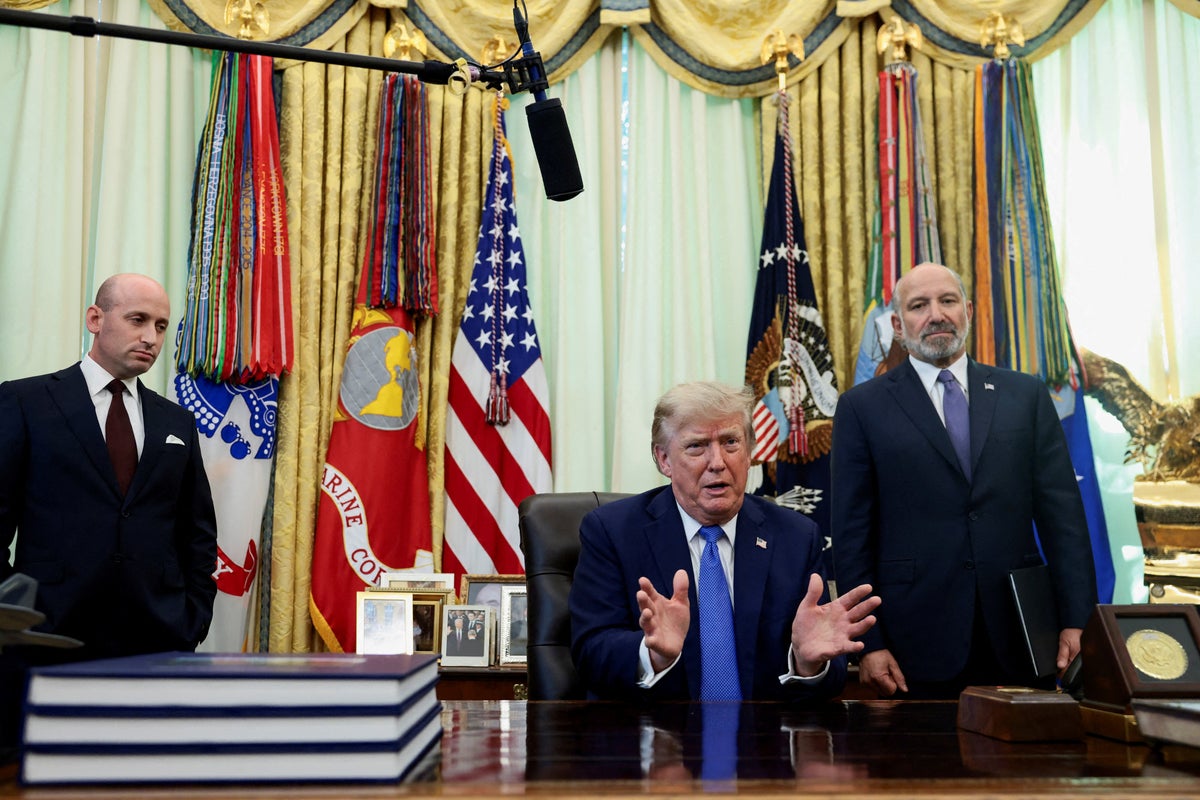
Just weeks after the ruling, Trump unveiled fresh executive orders flanked by immigration hardliner Stephen Miller. These new measures tried a different angle. They targeted children of foreign government employees, newborns whose mothers were accused of visa fraud, and babies whose parents fell under broad labels like "alien enemies" or commercial transaction loopholes.
Why the new executive orders failed in court
Judge Boardman didn't mince words. She pointed out that the administration's argument relies on a heavily distorted interpretation of what the Supreme Court actually decided.
The Department of Justice tried to claim that the high court left open certain exceptions. Boardman flatly rejected that defense. Her ruling emphasizes that the Supreme Court already settled the core question: the children at the center of this class-action lawsuit are citizens at birth.
Worse for the administration, the new executive orders created a massive drafting mess. The initial 2025 order specified that it applied only to babies born 30 days after its effective date. The newer orders left out those clear guardrails. According to the court's reading, the ambiguous language threatened to apply retroactively, plunging thousands of infants into an immediate legal limbo.
Judge Boardman wrote that the president must follow the law of the land. Right now, that law rests firmly on the 14th Amendment and the 1898 precedent set by United States v. Wong Kim Ark.
The historical revisionism behind the policy
To understand why the administration keeps pushing this issue, you have to look at the ideological framework driving it. Stephen Miller and other architects of the policy argue that the authors of the 14th Amendment never intended to protect the children of immigrants. They claim the text was designed exclusively for the children of freed slaves following the Civil War.
Constitutional scholars largely disagree. The text of the 14th Amendment's citizenship clause is famously direct: "All persons born or naturalized in the United States, and subject to the jurisdiction thereof, are citizens of the United States and of the state wherein they reside." It doesn't contain the fine print the administration wants to read into it.
Lower courts across the country continue to spot the fundamental flaw in these executive overreaches. You can't rewrite a constitutional amendment with a stroke of a pen in the Oval Office.
What happens next for affected families
If you are an expectant parent or an immigration attorney tracking these developments, the immediate takeaway is clear. The injunction means the government cannot enforce these restrictions while the litigation plays out. Babies born in the U.S. remain protected by existing birthright citizenship rules.
Expect the Department of Justice to appeal Judge Boardman's decision. This fight is heading back up to the appellate courts, and it could land on the Supreme Court's docket once again.
Keep your eyes on the federal district dockets in Maryland and Washington. Monitor updates from civil rights organizations like the ACLU, which continue to lead the charge protecting the certified class of families. Do not rely on sudden policy announcements or press releases from the White House regarding birthright status, as the judiciary has repeatedly blocked their enforcement.