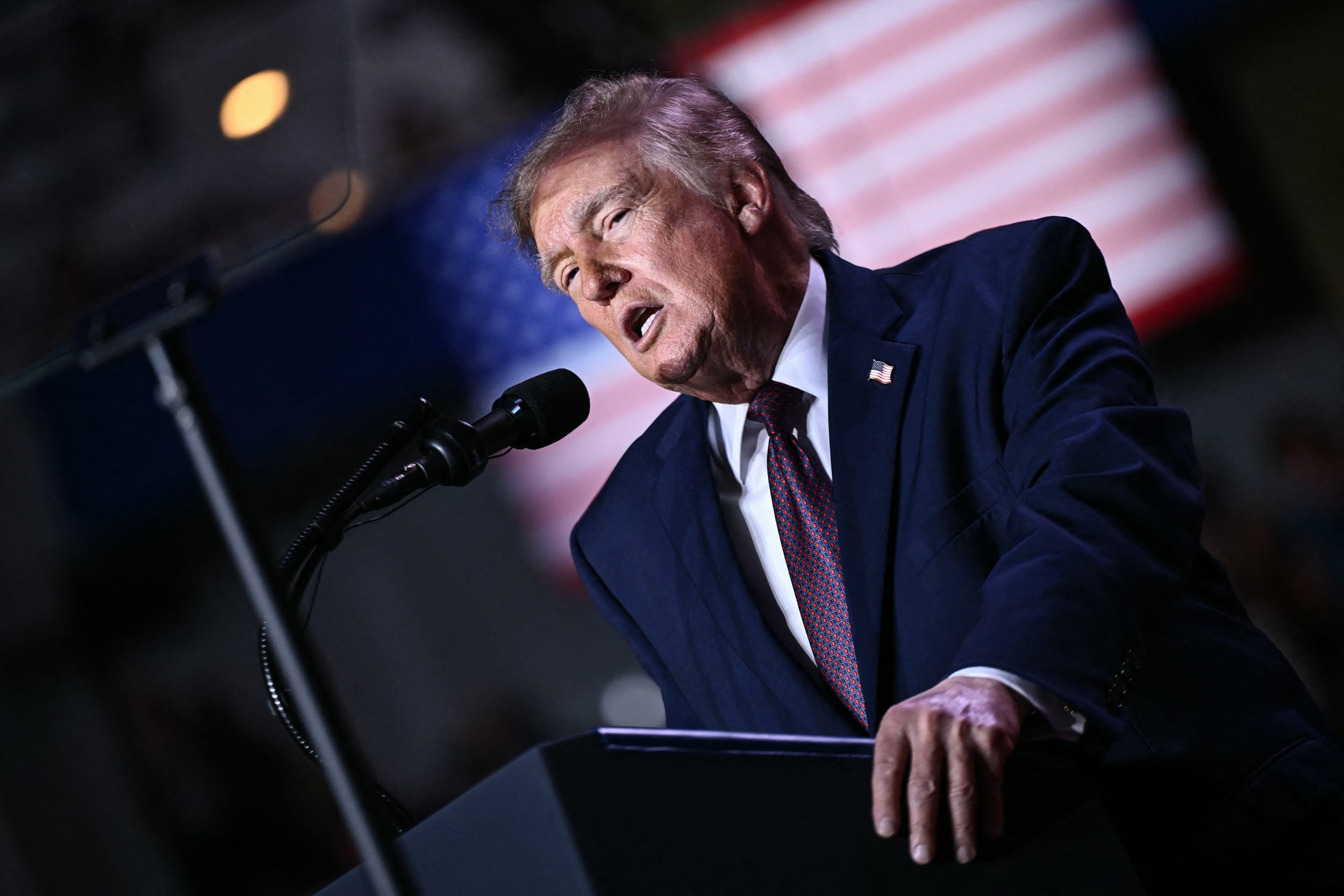
Donald Trump just put South Korea on notice. If Seoul doesn't lock in its commitment to the massive Alaska natural gas pipeline soon, the price tag is going up.
It started outside the White House just before Marine One took flight. A reporter casually mentioned that South Korea hadn't actually signed off on the multi-billion-dollar project yet, noting they were still studying the proposal. Trump’s reaction was immediate and blunt. He made it clear that hesitation comes with a cost. If they don't want to sign, fine. He'll just charge them more.
That brief tarmac exchange highlights the raw, transactional nature of modern energy diplomacy. But behind the headline-grabbing soundbite lies a tangled web of economic realities, logistical hurdles, and high-stakes geopolitical positioning that most people miss entirely.
The Reality of the Alaska LNG Project
Let's look at what's actually on the table. The Alaska LNG project isn't a small engineering feat. It involves a massive pipeline stretching roughly 800 miles from the gas-rich North Slope down to a liquefaction plant in southern Alaska. From there, super-cooled natural gas gets loaded onto tankers and shipped across the Pacific Ocean.
Asian economies rely heavily on imported energy. For decades, nations like South Korea and Japan have scrambled to secure stable, long-term liquefied natural gas supplies to keep their power plants running and factories humming. Alaska sits right across the water, making it a geographically appealing supplier on paper.
Yet, translating geographic proximity into a signed commercial contract is an entirely different beast.
Why Seoul Is Dragging Its Feet
South Korea isn't hesitating just to annoy Washington. Energy conglomerates and government planners look at multi-decade infrastructure projects through a cold lens of financial risk.
Building an 800-mile pipeline through Arctic tundra requires staggering amounts of capital. Construction costs are notoriously prone to overruns. When you factor in fluctuating global gas prices, environmental regulations, and shifting domestic political landscapes in Seoul, buying into an unbuilt Alaska pipeline looks like a massive financial gamble.
South Korean energy buyers want guaranteed returns and competitive pricing. If they can source LNG cheaper from Australia, Qatar, or spot markets elsewhere, signing a locked-in deal with US suppliers loses its economic appeal. That is why they are studying the proposal rather than rushing to sign a dotted line.
The Trump Playbook on Infrastructure Deals
Trump operates from a transactional playbook. To him, foreign policy and trade negotiations are real estate deals. If you're at the table, you commit, or you pay a penalty for wasting time.
His warning to Seoul is classic leverage. By threatening to double down or raise costs if they stall, he forces South Korean leadership into an uncomfortable corner. They now have to weigh the financial risks of the pipeline against the political risks of angering Washington on trade and defense matters.
You can't separate energy deals from the broader security umbrella between the United States and South Korea. When Washington pushes an export project, it's rarely just about the gas. It's about trade deficits, manufacturing alliances, and geopolitical alignment in the Asia-Pacific region.
What Happens Next
Seoul now faces a tough choice. Caving to pressure and signing onto a potentially costly infrastructure project could hurt their domestic energy consumers down the road. Ignoring Trump's warning risks triggering friction in the broader bilateral alliance.
Don't expect an immediate signature just because of a tarmac warning. Multi-billion-dollar energy agreements take months of legal and financial maneuvering behind closed doors. But the pressure is officially on, and the margin for delay just shrank significantly.