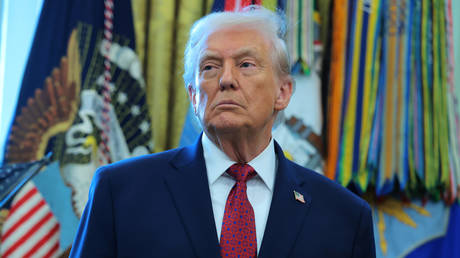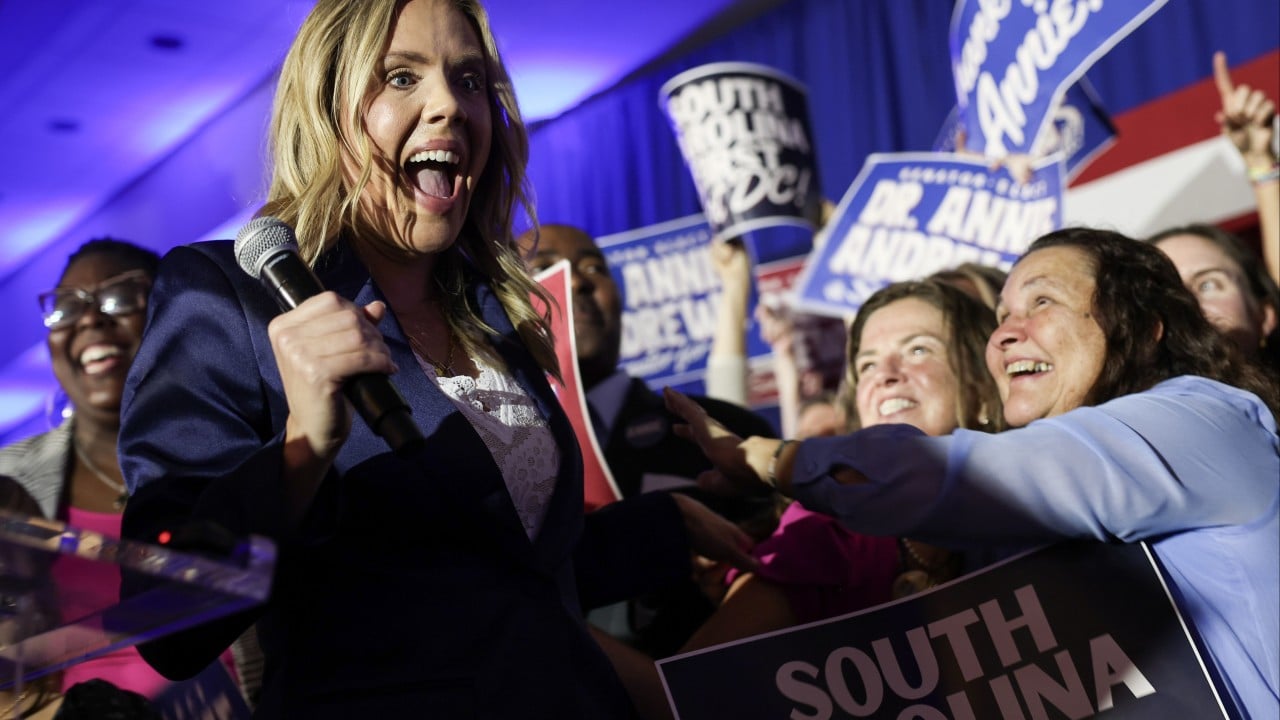
Midterm elections almost always punish the sitting president's party. History warned us, but the scale of the 2026 Democratic blue wave still caught Washington off guard. As early returns showed key Senate and House seats flipping blue across traditional battlegrounds, Donald Trump took to Truth Social with a familiar reflex.
"I wasn't on the Ballot and if I was, we would have won IN A LANDSLIDE!" he wrote, brushing off the Republican Party's brutal night.
It’s an classic line from the president, but it ignores a plain reality. Just weeks before voters headed to the polls, Trump explicitly told crowds at his campaign rallies to "pretend I am on the ballot." He spent the fall blitzing competitive districts, holding over two dozen rallies, and hand-picking candidates. When those candidates crashed and burned, the attempt to distance himself fell completely flat.
Here is what actually happened during the 2026 midterms, why the White House's deflection strategy isn't working, and what a Democratic-controlled Congress means for the next two years.
The Real Numbers Behind the Democratic Takeover
Democrats did not just squeeze by; they surged into majorities in both the House of Representatives and the Senate.
In the House, projections show Democrats on track to secure around 252 seats, well over the 218 threshold needed for a majority. This sweep paves the way for House Minority Leader Hakeem Jeffries to take the gavel as the first African American Speaker of the House.
Over in the Senate, Democrats flipped crucial seats in states long considered tough territory for the party.
- North Carolina & New Jersey: Democrats held and flipped key suburban districts that drifted right in recent cycles.
- Kentucky & Texas: In Texas, high-profile Republican races crumbled after intense primary friction, including a stunning Democratic win by Gina Hinojosa.
- Maine: Democrat Troy Jackson ended Susan Collins’ three-decade Senate run in one of the night's biggest upsets.
- Kansas: Megachurch pastor Adam Hamilton picked up a Senate seat, snapping a 94-year Republican streak in the state.
The pattern was consistent across the map. Suburban voters, moderate independents, and working-class communities turned out in high numbers to push back against the administration's economic policies and foreign policy headaches.
Why Trump Blame Game Misses the Mark
When a party suffers a broad loss, leaders usually dig into messaging errors, turnout mechanics, or policy missteps. Instead, the White House pointed fingers in every direction except inward.
1. The "Not on the Ballot" Paradox
Trump argued that his personal absentia cost Republicans the win. Yet, the historical record shows a distinct pattern since 2016. The GOP has consistently performed well when Trump himself is directly running on the ticket, but struggled in midterm cycles (like 2018 and now 2026) when he leads from the sidelines. Attempting to frame the loss as a simple consequence of missing his name ignores how heavily his personal endorsement weighed down GOP candidates in moderate swing districts.
2. Rising Energy Prices and Foreign Conflicts
In an interview following the initial returns, Trump shifted focus to foreign affairs, pointing to frustration over the conflict with Iran. He acknowledged that while voters might support his foreign policy goals in theory, "they really probably weren't willing to do the short-term consequence of paying more for gasoline." Rising pump prices gave voters a daily reminder of economic pressure, directly hurting Republican incumbents.
3. Attacking Friendly Media
Trump also turned his sights on conservative media outlets, claiming cable networks bore responsibility for the losses by featuring Democratic commentators and opposition voices. Blaming friendly media coverage is a classic deflection, but it doesn't change the underlying voter dissatisfaction on pocketbook issues.
What a Democratic Congress Means for the Next Two Years
With Democrats set to control both the House and the Senate, the political arithmetic in Washington changes overnight.
Substantive legislative pushes from the White House will face an immediate brick wall. Instead of passing party-line legislation, the administration will have to negotiate every major spending bill and judicial nomination.
- Subpoena Power and Oversight: Expect House committees to launch aggressive investigations into executive agency spending, foreign policy decisions, and regulatory enforcement actions.
- Budget Deadlines: Passing federal budgets will require real bipartisan compromise. The era of easy reconciliation bills is over.
- Judicial Nominations: With a Democratic Senate, the White House will no longer have a smooth path for federal court appointments, forcing the administration to submit more moderate consensus picks.
Practical Steps to Track the Official Election Off-Cycle
While news networks project majorities on election night, official results take time to certify across individual states and local election jurisdictions.
- Check Official Canvassing Schedules: State election authorities require local county clerks to complete canvassing and audit procedures before certifying official vote totals.
- Review Local Election Board Directives: If you want to view official district-by-district breakdowns, check directly with your local Secretary of State or county elections division website.
- Follow Congressional Organization: Watch for early leadership votes in December and January as incoming members organize committees and formally vote on the next Speaker of the House.