Trade policy in Washington rarely stays quiet for long, and the latest moves out of the White House prove that the second term of the Trump administration is doubling down on aggressive economic nationalism. If you've been following global markets, you already know that the US Supreme Court struck down previous global import levies. Rather than backing down, the administration is deploying a fresh strategy—using Section 301 of the Trade Act of 1974 to target what officials call excess industrial capacity across sixteen major trading partners.
At the center of this new wave are heavyweights like China and emerging manufacturing powerhouses like India. Reports indicate that the upcoming duties will treat nations differently based on prior trade agreements or the perceived severity of domestic industrial subsidies. Let's break down what this actually means, why certain countries are being singled out, and how global trade is shifting beneath our feet. Also making headlines in related news: Why Brussels Cut France Some Fiscal Slack In November 2026.
The Strategy Behind the Section 301 Pivot
When the Supreme Court invalidated the earlier blanket levies, trade strategists didn't throw in the towel. Instead, they pivoted to a targeted approach via the United States Trade Representative (USTR). By launching investigations into foreign manufacturing overcapacity, the administration carved out a legal pathway to impose fresh duties without running into the same judicial walls.
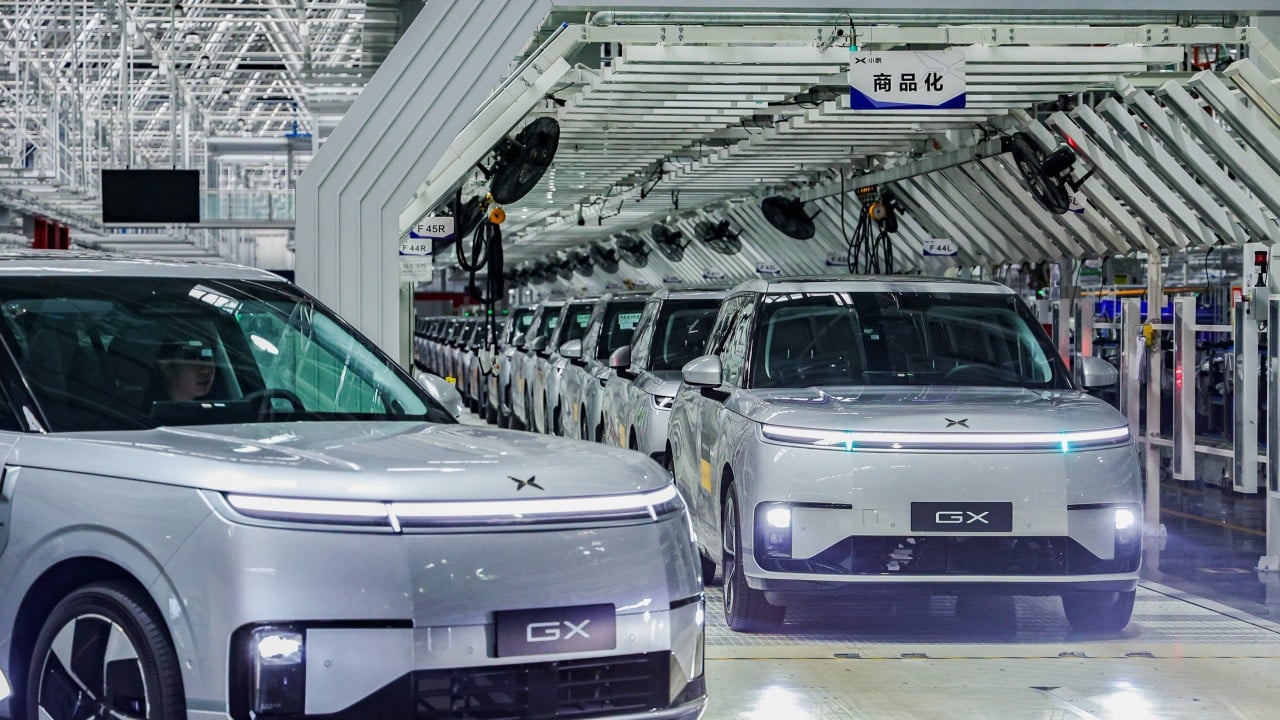
China remains the primary target. Washington argues that widespread state subsidies give Chinese factories an unfair structural advantage, flooding international markets with cheap goods and undercutting domestic US production. But Beijing isn't the only economy on the radar. Sixteen trading partners—ranging from the European Union and Japan to Vietnam and India—are facing scrutiny. More details into this topic are explored by CNBC.
Why India and Vietnam Face a Tougher Road Than Europe
Not all trading partners are treated equally in this new framework. Countries that locked in specific trade understandings or bilateral terms prior to recent legal battles, such as Japan and members of the European Union, are generally expected to see their overall tariff rates capped around 15% or lower.
India and Vietnam, on the other hand, find themselves in a trickier spot. Because formal comprehensive bilateral trade deals are still under active negotiation, these economies could face steeper or more volatile rates. Officials note that the administration might even introduce lower initial tariffs paired with escalation clauses—meaning rates could tick upward automatically unless those governments take verifiable steps to curb their own factory output and industrial subsidies.
It's a high-stakes pressure tactic. New Delhi is actively working to finalize initial tranches of trade agreements, but the speed of diplomacy rarely matches the aggressive pace of Washington's trade enforcement calendar.
What This Means for Global Supply Chains
If you run a business or manage supply chains that cross international borders, waiting for clarity is no longer an option. Companies that relied on moving production seamlessly out of China and into nations like India or Vietnam to dodge earlier tariffs now face a shrinking margin for error.
The administration's focus on excess capacity means that manufacturing volume itself is becoming a liability. If your operations depend on high-output sectors backed by state incentives anywhere in Asia, expect compliance hurdles, higher administrative costs, and sudden pricing shifts.
Watch the upcoming USTR announcements closely. The era of predictable, low-friction global trade isn't coming back anytime soon, and adapting to localized tariff walls is the cost of doing business today.