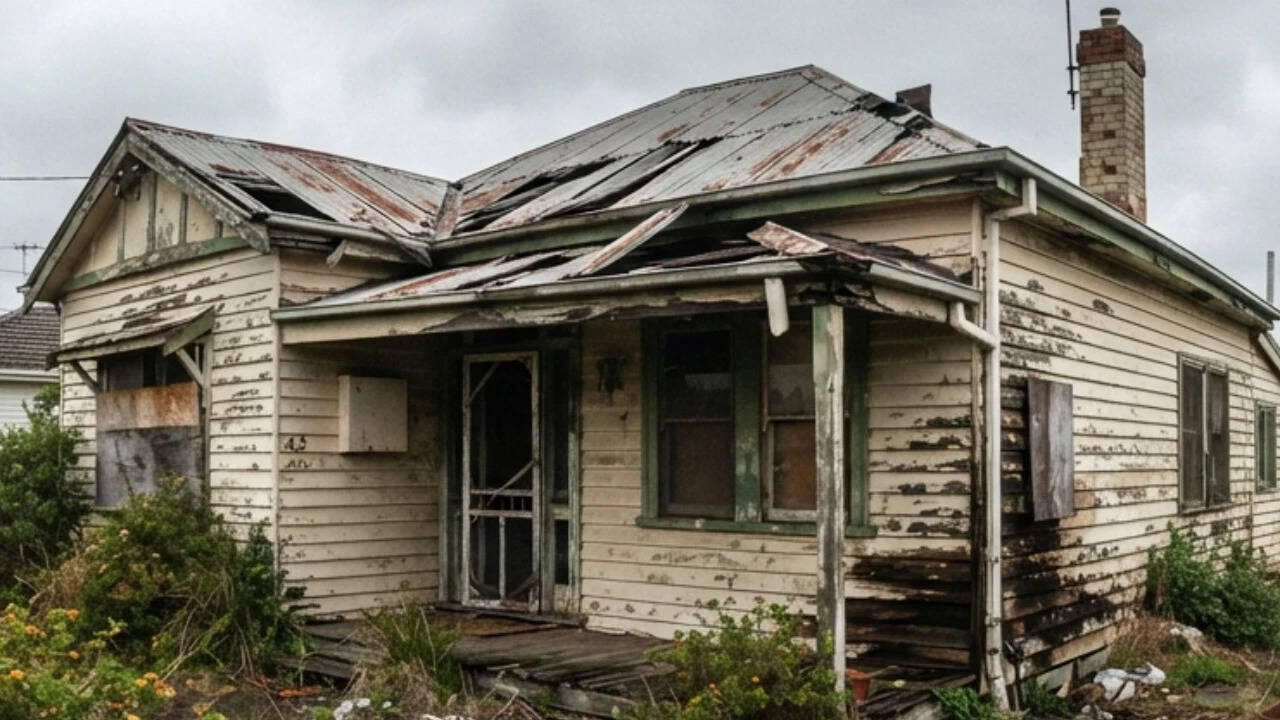
Turning down A$1,000 when your roof is leaking feels like a gamble. Most people just take the cash and hope the problem goes away.
This regional Victorian family didn't. After a storm hit their home in October 2021, their insurer, Hollard Insurance Partners Limited, initially accepted the roof damage claim. Then Hollard dragged its feet for 15 months before reversing course and rejecting the claim altogether. Along the way, the family was offered a A$1,000 goodwill payment to settle a complaint in late 2022. They refused it, took their dispute to the Australian Financial Complaints Authority (AFCA), and ended up receiving A$1.55 million after more than three years of waiting as their home became riddled with moisture, mould, and decay and was declared a total loss. On October 9, 2026, Australia's Federal Court ordered Hollard to pay a separate A$2 million penalty for breaching its duty of utmost good faith.
That A$2 million fine isn't just another regulatory headline. According to the Australian Securities and Investments Commission (ASIC), it marks the first civil penalty ever ordered against an insurer for breaching the duty of utmost good faith under section 13(2A) of the Insurance Contracts Act 1984. A A$1,000 goodwill offer turned into A$1.55 million for the family and A$2 million in court penalties for the insurer. Honestly, that math alone explains why policyholders need to know their leverage before signing anything.
How a Storm Claim Turned Into a Total Loss
When a severe storm tears into your roof, you expect your insurer to step up quickly. That's literally why you pay premiums every year.
In this case, the first inspection actually identified the need for a structural engineering assessment. You'd think that triggers an immediate call to an engineer. Instead, the engineering assessment didn't happen until August 2022, roughly eight months later. A final claim decision didn't arrive until April 2023.
In his October 2026 Federal Court judgment, Justice Button called the timeline "hard to fathom." He pointed out that eight months to appoint an engineer, glacial claim progress, and spreading mould couldn't simply be waved away as staff being busy or supplier miscommunication. Meanwhile, delays around temporary accommodation added even more strain while the house decayed around the family.
From hands-on experience watching property claims go sideways, this is the exact trap homeowners fall into. Small water intrusion doesn't stay small. When an insurer stalls on inspections or repairs, moisture sits in timber, drywall, and insulation. Mould takes hold. What started as a repairable storm event quietly morphs into structural rot and an uninhabitable house.
Why Insurers Offer Goodwill Payments After Delays
Let's be real about what a "goodwill payment" usually means when a claim is dragging out. It's rarely a generous gesture out of the goodness of corporate hearts.
Often, a modest goodwill sum shows up right when a policyholder pushes back on delays, poor communication, or a contested denial. Accepting a quick payout can feel tempting when you're exhausted, stressed, and living through a mess. Yet a small token payment can be a fraction of what a deteriorating property or mishandled claim actually warrants.
Justice Button highlighted the power disparity between insurers and homeowners. Your house is usually your biggest financial asset, and fighting a large insurer on your own feels daunting. Still, caving to a tiny goodwill offer before getting independent review can leave serious money on the table—especially if the insurer has ignored engineering findings or dragged its heels on basic obligations.
What Utmost Good Faith Actually Means for Policyholders
Insurance contracts aren't ordinary commercial transactions where each side tries to outsmart the other in the dark. Under Australian law, insurers have a statutory duty to act with the utmost good faith.
When ASIC brought its Federal Court case in April 2025, it targeted serious claim-handling failures—delays, periods of inaction, poor communication, and temporary accommodation hiccups. Hollard admitted to breaching its duty of utmost good faith, and the court hit it with the A$2 million penalty on top of the A$1.55 million already paid to resolve the family's loss, including total loss payments.
ASIC Chair Sarah Court noted that Australians often make claims during some of the hardest moments of their lives. Insurers are expected to act fairly, communicate clearly, and decide claims without unnecessary delay rather than leaving families stuck in limbo. For context, ASIC noted Hollard holds a 4.4% share of Australia's general insurance market as the sixth largest householder insurer, with over 1,600 staff and annual turnover around A$1 billion in 2024 and 2025.
Even if you don't live in Australia, the core lesson travels well. Regulators in many markets are paying closer attention to how insurers handle claims, complaints, and vulnerable customers. If a company leaves you guessing for months while your property worsens, that conduct isn't just bad service—it can cross legal lines.
Common Mistakes Homeowners Make During a Claim Dispute
Most people don't lose out on insurance claims because they have bad intentions. They lose out because they don't document things cleanly or they assume the insurer's timeline is normal.
- Relying on phone calls instead of written records: Verbal promises vanish fast when claim handlers rotate or files get passed around. Keep a dated log of every call, email, inspection, and promised deadline.
- Waiting too long to document worsening damage: If a roof leak or storm breach isn't weather-tight, take timestamped photos and videos regularly. Showing how moisture and mould spread over time helps prove what happened while you waited for decisions.
- Accepting lowball settlements out of fatigue: Claim fatigue is real. Living in a damaged or stressful home wears you down, which makes a quick cheque look appealing—even when it doesn't cover the real scope of loss.
- Skipping external dispute channels: When an insurer's internal complaints process stalls or gives you the runaround, escalation options like AFCA or consumer guidance through ASIC's Moneysmart exist for a reason.
Practical Next Steps If Your Insurer Is Stalling
If you're dealing with a delayed property claim right now, don't just sit tight and hope things speed up. Put pressure on the process systematically.
- Request a clear written timeline: Ask the insurer in writing for exact dates on pending assessments, scopes of work, temporary accommodation approvals, and final decisions.
- Preserve evidence of ongoing deterioration: Take clear, dated photos of any active leaks, dampness, mould, or structural wear, and keep receipts for urgent mitigation or temporary living costs.
- File a formal internal dispute: If delays stretch on without solid justification, lodge a formal complaint through the insurer's internal dispute resolution process so it's tracked as a formal grievance.
- Think twice before signing off on small goodwill offers: If you're offered a minor goodwill payment while major damage or claim disputes remain unresolved, review what rights or complaints you might be giving up before accepting.
- Escalate to an external ombudsman or regulator: If internal complaints don't resolve an unfair delay or denial, take the dispute to the relevant external dispute resolution body—such as AFCA in Australia—and check official consumer resources like ASIC for guidance.