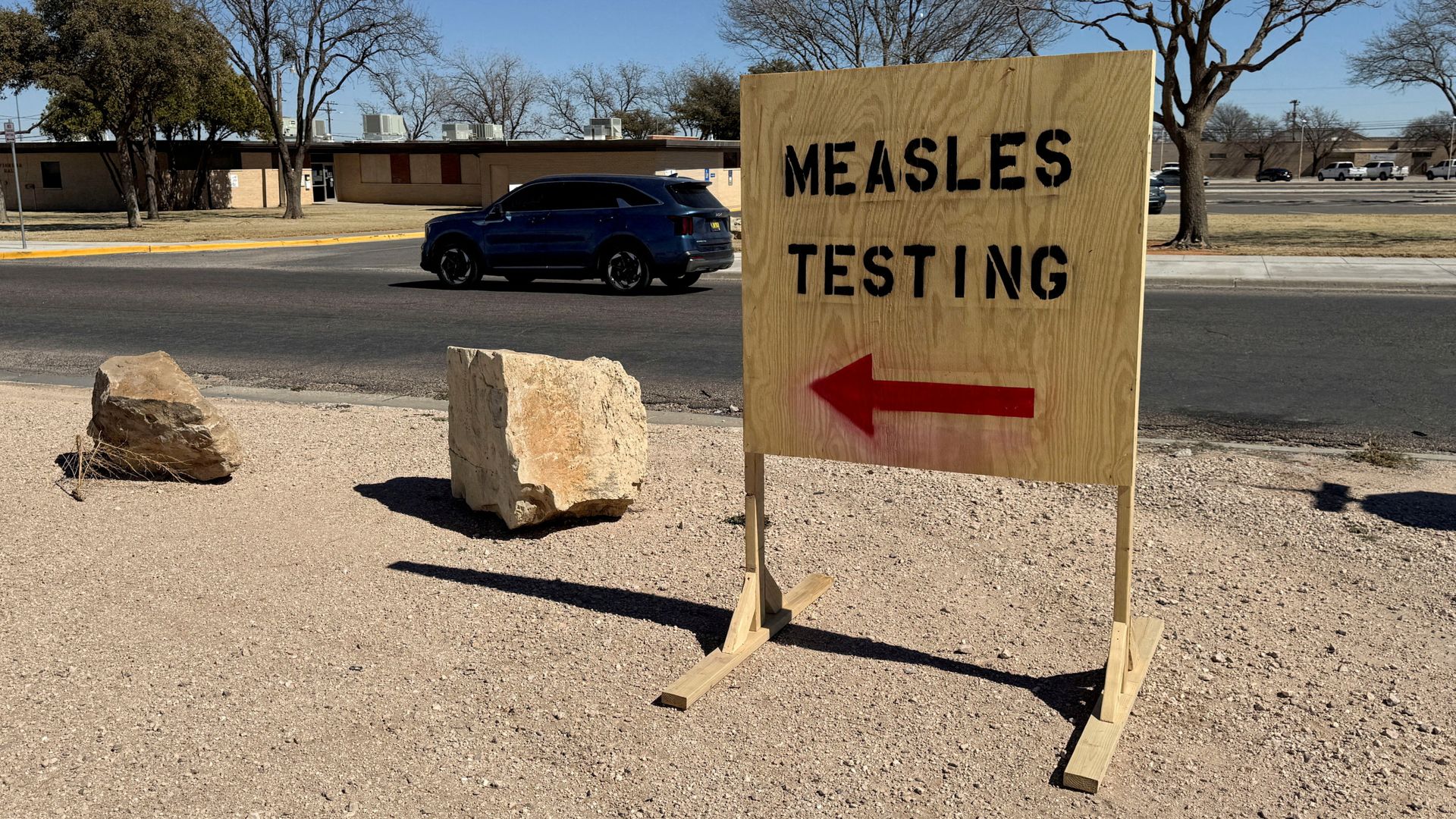
The United States has officially lost its measles-free status, dropping a public health distinction it held for over a quarter of a century. Federal health authorities confirmed that continuous domestic transmission has persisted for more than twelve months, pushing the nation into its worst outbreak cycle in 35 years.
Over 5,400 cases have been recorded across multiple states, accompanied by ten measles-associated deaths, including young children in states like Pennsylvania and Wisconsin. For a virus that was declared eliminated from North America in 2000, this regression represents a massive systemic failure in immunization coverage. Building on this idea, you can also read: How The Americas Lost Its Measles Free Status And Why Public Health Failed Us.
Why Measles Made a Comeback
Measles doesn't reappear in a vacuum. It preys on declining community immunity thresholds. To stop the virus from circulating, public health benchmarks require at least 95 percent of children to receive two doses of the measles, mumps, and rubella (MMR) vaccine. National kindergarten MMR coverage, however, has slid from 95.2 percent during the 2019-2020 school year down to 92.4 percent.
That tiny drop looks harmless on paper, but it creates thousands of unprotected pockets nationwide. When an unvaccinated traveler brings the virus home from abroad, it sparks localized fires. Outbreaks in places like Pennsylvania and Ohio quickly overwhelmed containment efforts because dense clusters of unvaccinated residents allowed the pathogen to bounce unchecked from person to person. Experts at Medical News Today have also weighed in on this matter.
The Real Cost of Vaccine Hesitancy
We are watching the downstream effects of eroding public trust in medical institutions. Misinformation has turned a routine, highly effective preventative shot into a cultural battleground.
The consequences are brutal. The Centers for Disease Control and Prevention (CDC) reported hundreds of hospitalizations, primarily among pediatric patients. Furthermore, health alerts tracked more than 160 measles infections in pregnant women since 2025, leading to severe complications and congenital cases. Measles is not a mild childhood rash. It wipes out immune system memory, leaving survivors vulnerable to other dangerous infections for months afterward.
What Public Health Agencies Are Doing Now
In response to the lost elimination status, federal and international agencies are shifting tactics. The Pan American Health Organization (PAHO) and the CDC announced targeted funding injections—including roughly $100 million directed to state and local health departments—to bolster surveillance, deploy epidemiological response teams, and close immunization gaps.
Yet funding alone won't fix the underlying hesitation. Rebuilding confidence requires transparent communication from trusted local providers rather than top-down lectures. Doctors and community leaders must address parental concerns directly, emphasizing that the MMR vaccine remains safe, rigorously tested, and remarkably effective.
Check your family's vaccination records today. If you or your children missed an MMR dose, schedule a catch-up appointment with your healthcare provider immediately to close your personal immunity gap.