Long lines at fuel pumps. Canceled flights to holiday destinations. E-commerce logistics hubs burning into ash. For millions of citizens, the summer months brought a harsh and inescapable reality: the war in Ukraine has finally come home.
If you thought life inside Russia remained completely insulated from the conflict, think again. Over the past few months, the illusion of distance shattered completely. Daily life shifted from a distant geopolitical event monitored on state television into a chaotic scramble for gasoline, canceled travel plans, and sleepless nights listening for air defense systems.
Let's look at what actually happened, why public sentiment is shifting, and what this means for the broader trajectory of the conflict.
The Drone Blitz That Broke the Summer Routine
Airspace restrictions used to be rare. This summer, they became standard operating procedure.
Nightly swarms of drones changed the rhythm of life across multiple regions, stretching far beyond border towns. Defense Ministry data compiled by independent analysts revealed that over 43,300 drones were intercepted over Russia and Crimea during June, July, and August alone. Compare that to roughly 7,700 during the same period the previous year, and you see an exponential escalation.
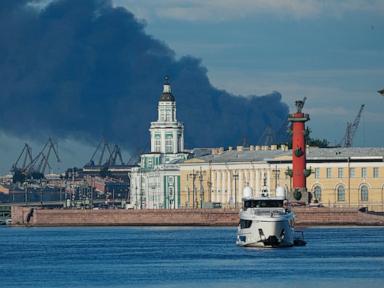
Targeting strategies clearly evolved. Refineries took direct hits, triggering a widespread fuel crisis. Drivers in places like Moscow and Siberia spent hours, sometimes days, sitting in miserable queues at gas stations just to fill up their cars. Major retail and logistics hubs operated by e-commerce giants like Wildberries and Ozon were struck and set ablaze, destroying inventory and disrupting online deliveries for millions of regular shoppers.
Civilian aviation took a massive hit, too. Travelers heading to Black Sea resorts found their flights canceled, delayed, or drastically rerouted. Russian airspace has become a hazardous zone, with warnings circulating that civilian travel will face permanent disruptions as long as the aerial bombardments persist.
Shifting Public Mood and Growing Fatigue
For a long time, the Kremlin managed to keep the war at arm's length for the average urban resident. State media painted a picture of a controlled special operation happening far away. But a gas shortage in your neighborhood and a burning warehouse down the street destroy that narrative fast.
Polling data from independent organizations like the Levada Center reflects a noticeable shift in public attitude. While initial shock over the summer attacks has settled into a weary acceptance, longer-term indicators show a downward trend. Evaluations of the national economy are worsening. Vladimir Putin's approval rating dipped to 76% in August, down from 87% in late 2025.
People are grumbling more openly. Conversations in cafes and on public transit carry a distinct undercurrent of pessimism. Business owners watch their supply chains collapse under the weight of infrastructure strikes. Ordinary citizens cancel long-planned vacations because they don't trust the trains or the skies.
The Persistent Fear of a New Mobilization
Beyond the drone attacks and the fuel lines, a deeper anxiety lurks beneath the surface. Rumors of an impending military mobilization refuse to die down.
Memories of the September 2022 draft—which dragged 300,000 men into military service—still haunt families. Political figures in Kyiv frequently claim that Moscow is preparing another massive troop call-up following upcoming parliamentary elections. While the Kremlin dismisses these claims as psychological warfare, the damage is already done.
Many young couples aren't waiting to find out if the rumors are true. Families with military-age men have packed their bags and crossed borders, choosing exile over the constant threat of a knock on the door. It's an exhausting way to live, knowing that a single government decree can upend your entire existence overnight.
What Happens Next
The war in Ukraine is no longer just a headline on an evening news broadcast for the people living in Russian cities. It's a tangible, disruptive force embedded in daily routines.
When your local oil refinery goes up in flames, when your grocery delivery doesn't arrive because the warehouse burned down, and when you can't book a flight without fearing a route diversion, denial becomes impossible. The cracks in domestic complacency are widening, and patching them up will take far more than state television spin. Watch how the government handles upcoming political cycles and fuel distribution channels, because the pressure from within is mounting faster than official reports let on.