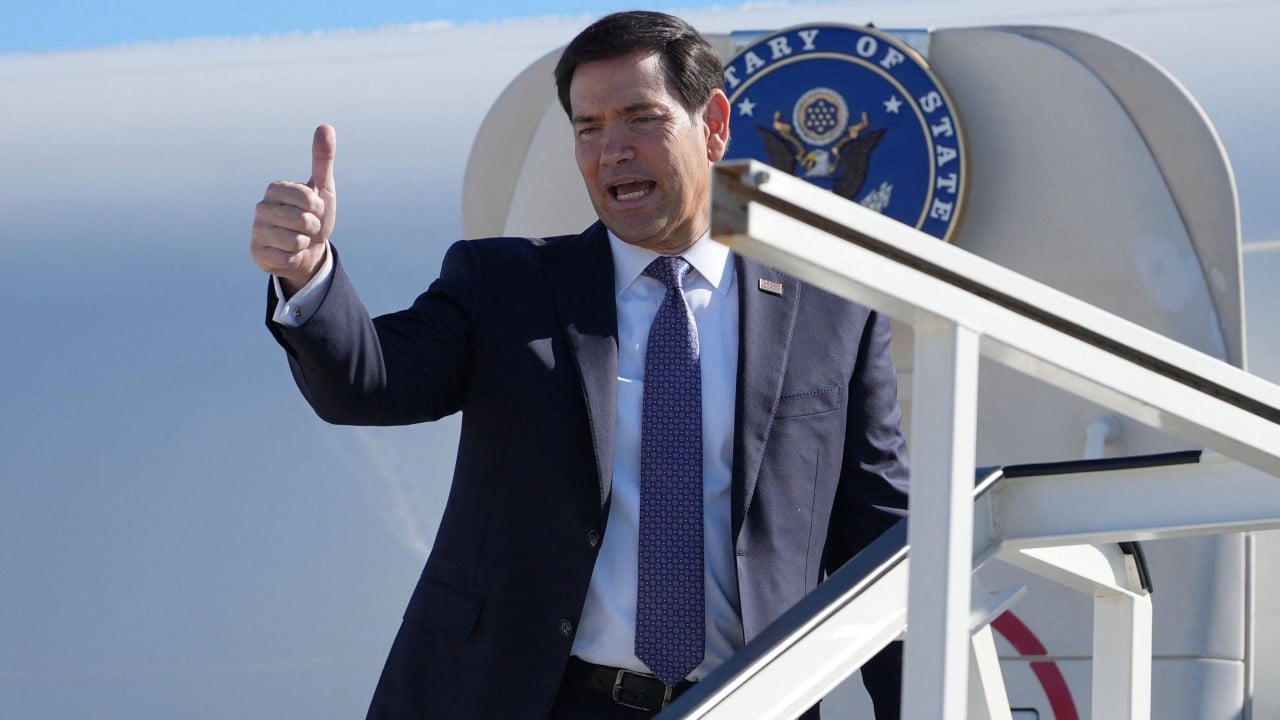
Central Asia has long lived in the geopolitical shadow of Moscow and Beijing. For decades, Western diplomats treated the region as an afterthought, a landlocked expanse best left to its powerful neighbors. That era is officially over. As US Secretary of State Marco Rubio heads to Samarkand for high-stakes diplomatic talks accompanied by a massive delegation of over 200 business leaders, Washington is dropping any pretense of diplomatic detachment. The message from American officials is blunt. Washington wants to compete in Central Asia, and it's bringing cash, technology, and commercial muscle to prove it.
If you are wondering why the United States cares about a cluster of former Soviet republics right now, look at the map and look at the supply chains. The ongoing war in Ukraine has strained traditional trade routes and forced Moscow to look inward, while Beijing has steadily expanded its economic footprint through infrastructure investments and energy deals. Central Asian capitals like Tashkent, Astana, and Bishkek want options. They hate being overly dependent on any single superpower. Washington smells an opening and is moving fast to fill the vacuum.
The Commercial Invasion That Changes the Math
Diplomacy without economic teeth is just noise. Previous US overtures to the region often relied on soft power, academic exchanges, and vague promises of partnership. This time, the playbook is entirely different. Rubio's upcoming tour includes a commercial delegation packed with more than 200 corporate executives looking at real deals in energy, critical minerals, digital infrastructure, and artificial intelligence.
Local governments aren't complaining. Nations in the region have actively pursued a multi-vector foreign policy for years, balancing ties between Russia, China, Europe, and the US. Bringing hundreds of American business leaders straight to Uzbekistan changes the economic calculus. It gives Central Asian leaders tangible alternatives to Chinese loans and Russian security umbrellas. When you offer actual private sector investment instead of political lectures, doors open much faster.
Navigating the Great Power Triangle
Let's be honest about the stakes here. Central Asia is the literal crossroads of Eurasia. Control or influence over this territory shapes global trade corridors, energy flows, and geopolitical stability. China's Belt and Road Initiative runs right through these countries. Russia views the region as its traditional backyard and a vital economic buffer.
When US diplomats talk about competing, they aren't just talking about trade fairs. They are trying to claw back strategic influence in a zone where Washington has historically punched below its weight. Yet, local leaders are masters of diplomatic tightrope walking. They aren't looking to swap one master for another. Uzbekistan, Kazakhstan, and their neighbors want trade with Beijing, security dialogues with everyone, and Western technology investments to modernize their economies.
What This Means for Global Markets
The diplomatic scramble for Central Asia has immediate practical consequences for global supply chains and critical resources. The region holds massive deposits of rare earths and critical minerals that are essential for modern technology and green energy transitions. Right now, extracting and exporting those resources often means navigating infrastructure dominated by Russia or China.
Western involvement aims to open alternative export routes, such as the Trans-Caspian International Transport Route, which bypasses Russia entirely. If American companies can help build out digital infrastructure, AI frameworks, and secure supply corridors, it shifts industrial dependencies across the entire Eurasian landmass.
Don't expect overnight miracles. Bureaucracy, legal hurdles, and deep-seated regional rivalries still complicate business operations across Central Asia. But the arrival of a top-tier US diplomatic and commercial delegation marks a definitive turning point. Washington is done ignoring the heart of Eurasia.
Look past the diplomatic talking points. Watch the corporate contracts signed in Samarkand this week, monitor the critical mineral agreements, and pay attention to how Beijing and Moscow respond to this sudden surge of Western attention. The real competition for the future of Central Asia is just getting started.