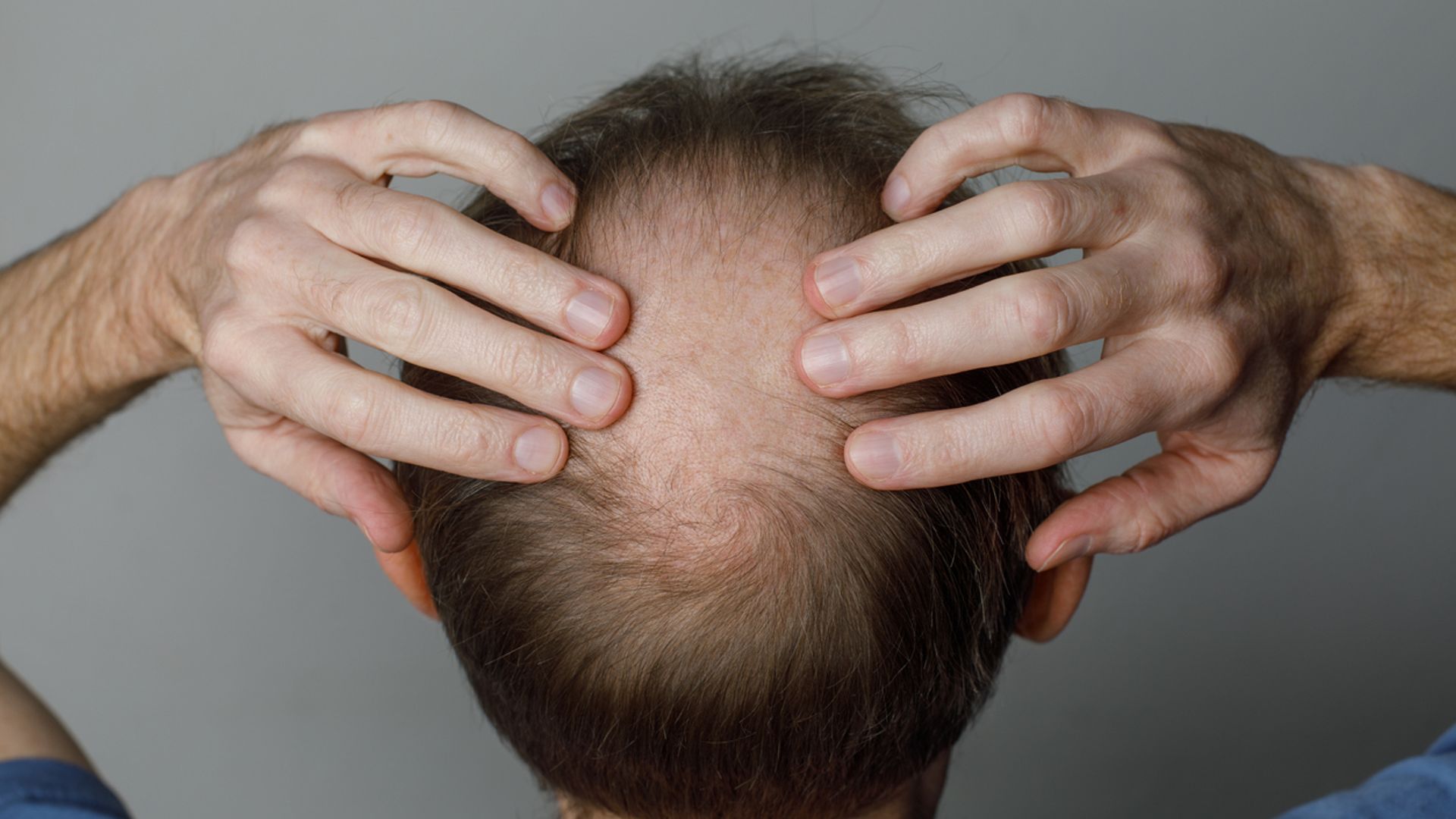
If you noticed more hair strands in your shower drain after starting medications like Ozempic, Wegovy, or Mounjaro, you aren't imagining things.
A major study published in The BMJ from researchers at the University of Pennsylvania analyzed health records of tens of thousands of patients taking GLP-1 receptor agonists. The data confirmed what thousands of users have been whispering online: popular weight loss drugs are directly linked to a higher risk of hair shedding.
Researchers found that people taking GLP-1 medications had a 37% higher risk of experiencing hair loss compared to those on SGLT-2 inhibitors, and a 68% higher risk compared to those using DPP-4 inhibitors.
The good news? It's almost always temporary.
Here is what is actually going on on a biological level, why it happens, and exact steps you can take to keep your hair while staying on your weight loss journey.
What the Research Actually Says
Let's put the numbers into perspective so you don't panic.
The overall individual risk of severe hair loss remains relatively low. The BMJ study tracked roughly 50,000 adults with type 2 diabetes. About 7 out of every 1,000 people on GLP-1 drugs developed diagnosed hair loss within a year, compared to roughly 4 to 5 out of 1,000 taking other diabetes medications.
That difference sounds small on paper. But across millions of people worldwide taking semaglutide and tirzepatide, it accounts for tens of thousands of people suddenly losing hair.
The study noted that this shedding is almost exclusively non-scarring alopecia. That distinction is everything. Non-scarring hair loss means your hair follicles remain healthy, alive, and capable of growing full strands back.
Is the Drug Doing This, or the Weight Loss?
The main cause of GLP-1 hair loss isn't usually a direct toxic reaction to the chemical itself. It's a condition called telogen effluvium.
When you lose a lot of weight quickly—or slash your daily caloric intake—your body panics. It enters a state of physiological shock. To protect vital organs like your heart and brain, your metabolism shifts resources away from "non-essential" processes like growing hair.
Here's how your hair cycle normally works vs. what happens on GLP-1s:
- Anagen Phase (Growth): 85% to 90% of your hair is actively growing at any given moment. This phase lasts 2 to 6 years.
- Catagen Phase (Transition): Growth stops, and the follicle shrinks over 2 to 3 weeks.
- Telogen Phase (Resting): Hair sits in the follicle for about 3 months before falling out so a new hair can push through.
When you start taking a GLP-1 drug and your appetite drops sharply, the sudden caloric deficit shocks your system. Up to 30% or more of your growing hair follicles abruptly shift from the growth phase straight into the resting phase.
Because the resting phase lasts roughly 100 days, you typically won't see hair fall out immediately. The massive shedding usually starts 2 to 4 months after you begin taking the medication or after a major drop in weight.
Micronutrient Deficiencies: The Missing Piece
When you eat 40% less food every day, you aren't just cutting calories—you're cutting essential nutrients. GLP-1 drugs slow down gastric emptying and curb cravings, which often leads people to skip meals entirely.
If you aren't intentionally packing dense nutrition into the smaller meals you do eat, hair follicles get starved of essential building blocks. The most common deficiencies linked to GLP-1 hair shedding include:
- Protein: Hair is made almost entirely of a protein called keratin. If you drop below 0.8 to 1 gram of protein per pound of target body weight daily, your body steals protein from hair follicles to repair muscle tissue.
- Iron (Ferritin): Iron helps red blood cells carry oxygen to your hair roots. Low ferritin levels are a leading cause of telogen effluvium.
- Zinc and Biotin: Crucial for cellular repair and structural support within the hair matrix.
Interestingly, recent data from analytics firm nference comparing tirzepatide (Mounjaro/Zepbound) to semaglutide (Ozempic/Wegovy) found slightly higher rates of hair shedding with tirzepatide. Why? Because tirzepatide often causes faster and more pronounced weight loss, compounding the metabolic shock.
How to Protect Your Hair While Taking GLP-1s
You don't have to choose between reaching a healthy weight and keeping your hair. If you start noticing increased shedding, follow these practical steps right away:
1. Prioritize Protein First
At every single meal, eat your protein source before anything else on your plate. Aim for 25 to 30 grams of protein per meal using lean meats, eggs, greek yogurt, or high-quality whey isolates.
2. Get Bloodwork Done Before Supplementing Blindly
Don't just buy a random biotin pill. Ask your doctor for a blood panel checking:
- Serum Ferritin (aim for levels above 50 ng/mL for hair regrowth)
- Vitamin D3
- Zinc
- Vitamin B12 and Folate
3. Slow Down the Rate of Weight Loss
Losing 1 to 2 pounds per week is the sweet spot for hair retention. If you're dropping 4 or 5 pounds a week, your body is in severe stress mode. Work with your prescribing physician to lower your dosage or slow your titration schedule.
4. Consider Topical Minoxidil
If the shedding causes visible thinning, speak to a dermatologist about starting over-the-counter or prescription topical minoxidil (Rogaine). It helps keep hair follicles in the growth phase longer while your body adapts to the weight loss.
5. Avoid Severe Hair Styling Stress
While your hair is in a fragile telogen phase, minimize high-heat tools, tight ponytails, extensions, and harsh chemical treatments that pull or weaken the hair shaft.
What to Do Right Now
Telogen effluvium is self-limiting. Once your body stabilizes at its new weight and your nutrient intake matches your metabolic needs, the hair shedding naturally stops, and new baby hairs begin pushing through.
If you've been shedding hair for longer than 6 to 9 months, or if you notice patchy circular bald spots rather than overall thinning, book an appointment with a board-certified dermatologist. That could indicate a different underlying condition like androgenetic alopecia or an autoimmune reaction that requires specific treatment.
Otherwise, keep your protein high, track your nutrient intake, and give your body time to adjust.
For a visual breakdown of how weight-loss-induced telogen effluvium works and how long recovery typically takes, watch this expert overview on GLP-1 drugs and hair loss. This clip provides clear context on how GLP-1 side effects develop and why hair regrowth is expected once weight stabilizes.