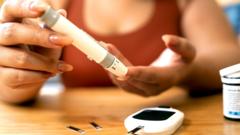
For decades, medical textbooks treated Type 2 diabetes as an older adult's disease. You hit your fifties or sixties, your metabolism slowed down, and your blood sugar started creeping up.
That picture is completely broken now.
Recent NHS data analyzed by Imperial College London reveals a staggering shift. While new diagnoses among older demographics are actually declining slightly, rates among adults under 40 are climbing at a scary speed. The sharpest spike of all belongs to women in their twenties.
Between 2017 and 2024, diagnoses of Type 2 diabetes in women under 40 jumped by 47%. That's more than double the 22% increase seen in women aged 40 to 79 during the same timeframe. It also outpaces young men.
This isn't a minor stat shift. It's a full-blown metabolic crisis hidden in plain sight.
If you're a young woman experiencing persistent exhaustion, unquenchable thirst, or frequent bathroom runs, you can't afford to ignore it. Getting diagnosed in your twenties means living with metabolic dysfunction for 50 or 60 years if it isn't managed immediately.
Here is what's driving this surge, why early-onset Type 2 diabetes behaves differently, and what you need to do right now to protect yourself.
The Real Drivers Behind the Spike
Why are twenty-something women getting hit so hard right now?
It's tempting to point a finger at diet alone, but that misses the systemic mess we're looking at. Researchers point to a snowball effect driven by several overlapping factors.
Post Pandemic Weight Gain Hits Younger Bodies Faster
The most direct biological link is the earlier onset of severe obesity.
Data shows that since 2019, obesity rates among 20 to 29-year-olds surged by 16%. In contrast, rates among adults over 60 actually dropped. Sedentary remote work, ultra-processed food environments, chronic stress, and disrupted sleep schedules hit young adults during crucial developmental years.
When severe obesity develops early, the pancreas has to pump out massive amounts of insulin to push sugar into resistant cells. Over time, the pancreas simply gives up keeping pace. That age of metabolic burnout is creeping earlier and earlier into adulthood.
The Gestational Diabetes Trapline
Pregnancy is an intense metabolic test. Gestational diabetes (GDM) affects roughly 10% to 20% of pregnancies, temporarily spiking blood sugar levels.
While gestational diabetes usually resolves after childbirth, it leaves a long shadow. Data shows that 11% of women who develop gestational diabetes end up with prediabetes within five years. Within ten years, 15% progress to full Type 2 diabetes.
The system is failing these women. NHS audit data revealed that only 57% of women with a history of gestational diabetes receive their recommended annual HbA1c blood check. Worse yet, less than 5% get referred to structured prevention programs. Once the baby arrives, postpartum care focuses entirely on the infant, leaving young mothers with zero metabolic follow-up until complications pop up years later.
Polycystic Ovarian Syndrome and Hormonal Imbalance
Polycystic Ovarian Syndrome (PCOS)—sometimes referred to as polyendocrine metabolic ovarian syndrome—affects up to 1 in 10 women of childbearing age. PCOS isn't just an ovarian issue; it is fundamentally an insulin-resistance disorder.
High circulating insulin levels drive the ovaries to produce excess androgen hormones, causing irregular periods, weight gain, acne, and facial hair growth. This creates a vicious cycle. Insulin resistance promotes weight gain, and excess weight deepens insulin resistance. Millions of young women manage PCOS with birth control pills without ever addressing the underlying metabolic dysfunction, leaving their diabetes risk unchecked.
Demographics Are Expanding
Past public health campaigns treated Type 2 diabetes in young people as a problem almost exclusively affecting South Asian, Black, or Afro-Caribbean communities due to genetic predispositions.
While risk remains disproportionately higher in these populations, researchers like Dr. Shivani Misra from Imperial College London highlight that the rapid growth is now hitting White young adults as well. Metabolic breakdown is expanding across every demographic line.
Why Early Onset Diabetes Is Far More Aggressive
Here is the cold truth that many medical blogs won't tell you. Getting Type 2 diabetes at 23 is not the same as getting it at 65.
In older adults, the disease often progresses slowly over decades. In young adults, early-onset Type 2 diabetes is notoriously aggressive. Beta cells in the pancreas lose function faster. Complications show up years earlier than expected.
When you live with elevated blood sugar throughout your twenties, thirties, and forties, the cumulative vascular damage adds up. Uncontrolled glucose damages small and large blood vessels continuously.
The real risks young women face include:
- Early cardiovascular disease, leading to heart attacks and strokes in their 40s.
- Chronic kidney disease requiring dialysis or transplantation early in life.
- Diabetic retinopathy, leading to early vision impairment or blindness.
- Severe pregnancy complications, including higher rates of miscarriage, preeclampsia, and birth defects.
- Nerve damage (neuropathy) causing chronic pain or loss of sensation.
You aren't just managing a number on a glucose meter. You're preserving your organs for the next 50 years.
Recognizing Symptoms People Often Dismiss
Two-thirds of young adults between 18 and 39 have no idea what Type 2 diabetes symptoms look like. Because young people assume they're immune to metabolic disease, they shrug off subtle red flags for months or years.
Do not ignore these early signs:
- Persistent, deep fatigue that rest doesn't fix.
- Drinking gallons of water daily but still feeling thirsty.
- Getting up multiple times every night to urinate.
- Dark, velvety patches of skin around the back of your neck, armpits, or groin (known as acanthosis nigricans, a clear sign of severe insulin resistance).
- Slow-healing cuts or frequent vaginal yeast infections and urinary tract infections.
- Unexplained blurry vision that comes and goes.
If you match two or more of these symptoms, don't wait for your annual checkup. Demand a blood test now.
What You Should Do Right Away
The silver lining here is clear. Type 2 diabetes and prediabetes are largely preventable and, in many cases, reversible if caught early enough. You don't have to wait around for a broken healthcare system to fix itself. You can take control today.
Step 1: Get an HbA1c Blood Test
An HbA1c test measures your average blood sugar levels over the past two to three months.
- Normal: Below 5.7%
- Prediabetes: 5.7% to 6.4%
- Diabetes: 6.5% or higher
If you had gestational diabetes, have PCOS, or carry a family history, push your doctor for this test annually. Don't accept a simple fasting glucose test alone, as it misses early-stage insulin dysfunction.
Step 2: Cut Fast-Digesting Carbs and Ultra-Processed Foods
You don't need a crazy fad diet. Focus on eliminating simple sugars, sugary coffees, sodas, white breads, and ultra-processed snacks that cause violent blood sugar spikes. Prioritize high-protein meals paired with fiber (vegetables, legumes, whole grains) and healthy fats to stabilize insulin response.
Step 3: Build Muscle Mass
Muscle tissue is your body's largest glucose sink. When you perform resistance training or strength building, your muscles pull glucose straight out of your bloodstream without relying heavily on insulin. Aim for three strength-training sessions per week alongside daily walking. Aiming for 8,000 to 10,000 steps daily significantly improves insulin sensitivity.
Step 4: Explore GLP-1 Medications and Clinical Options
If lifestyle shifts aren't enough or weight management feels impossible due to severe insulin resistance, talk to your physician about modern medical interventions. Newer GLP-1 receptor agonists (like semaglutide or tirzepatide) lower blood sugar while assisting with significant weight loss, helping young adults achieve Type 2 diabetes remission.
Take your metabolic health seriously today. Your future self will thank you for acting before damage occurs.