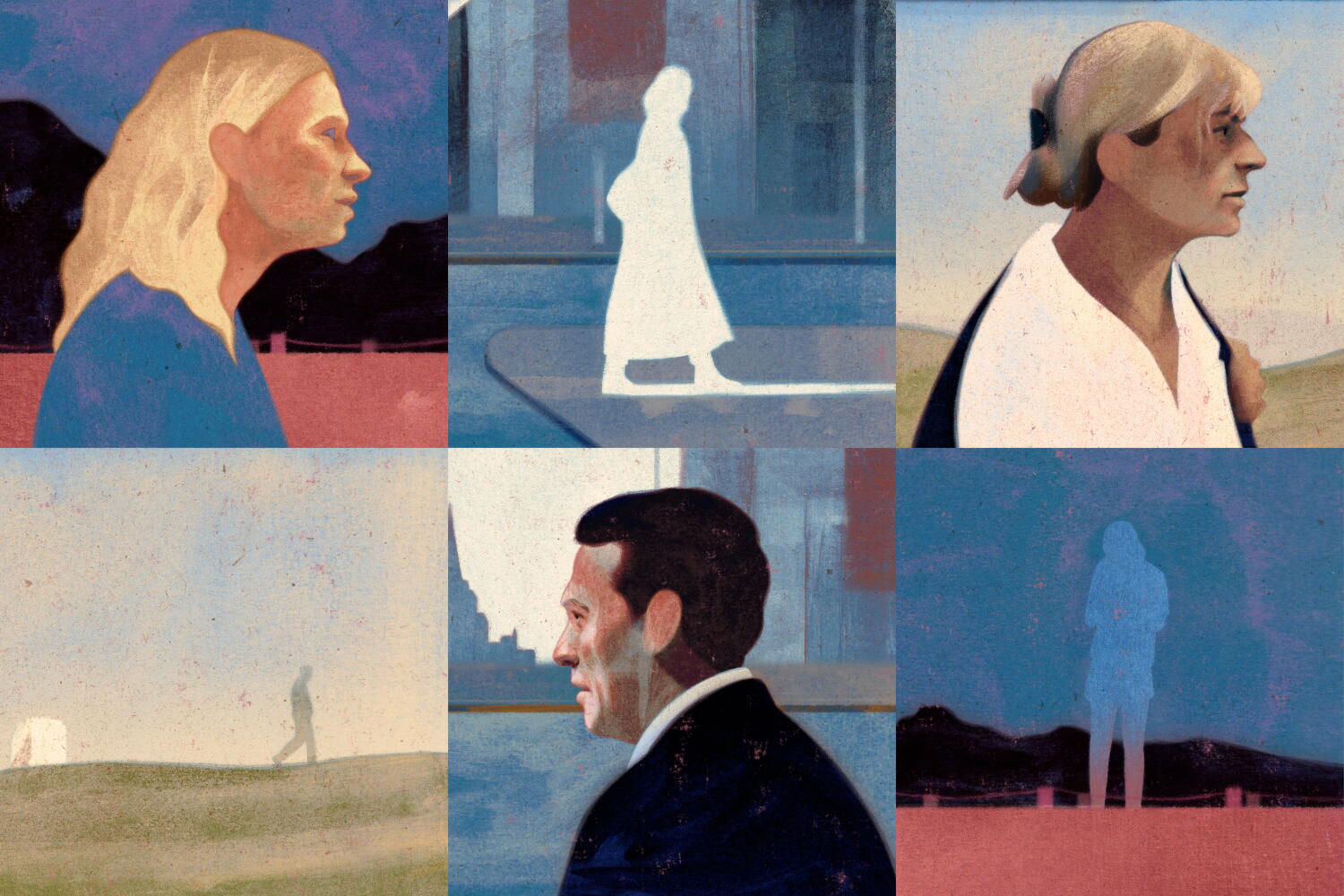
Alia Syed just took home the £10,000 Film London Jarman Award for 2026, and honestly, it feels like a long-overdue nod to someone who has shaped British artists' moving image for decades. Announced at The Soho Hotel in London on November 24, 2026, the 19th edition of the prize honors her experimental films, memory work, and sharp engagement with migration and hidden histories.
If you only read short news briefs, you might think this is just another art-world prize announcement. It isn't. For anyone following experimental cinema, Syed's win highlights how patient, craft-driven filmmaking holds its own against quick-turnaround digital feeds and formulaic documentaries.
Why This Win Hits Different for Artists' Film
Awards in contemporary art often chase whatever feels loudest or newest that week. The Jarman jury went a different route. They praised the depth and maturity of Syed's work, pointing to a "restless will to play, experiment and change" paired with a deep command of filmmaking craft.
Having watched plenty of experimental shorts over the years, I've noticed a common trap. Artists sometimes lean on abstract visuals or heavy theory to mask thin storytelling, or they treat archive footage like a nostalgic scrapbook without asking what it actually does to the viewer. Syed does the opposite. She puts pressure on the image, the voice, and the gap between what's remembered and what's lost.
Born in Swansea and splitting her creative life between London and Glasgow, she got her start in the 1980s around the London Film-Makers' Co-operative before studying at the University of East London and the Slade School of Fine Art. That background matters. Working with 16mm film, video, sound, and oral history taught her that form isn't just decoration. How a frame is shot, layered, or re-watched changes what a memory means.
What Her Films Actually Do on Screen
People who haven't seen Syed's work sometimes assume "experimental film" means cold, detached, or difficult just for the sake of it. In practice, her films feel remarkably personal, even when they tackle big political questions like colonialism, racism, and shifting immigration rules.
Take Snow (2019). It builds a video diary around Hi-8 footage shot by her father during the winter of 1995–96, a time when the two weren't on speaking terms. Watching her revisit that tape years later isn't about tying up family drama in a neat bow. It's about sitting with the silences and blind spots in family archives—the parts of someone else's life you can't fully reconstruct, no matter how closely you look at the screen.
Then look at two works from 2025 that show how wide her range stays:
- The Dhaba uses testimonies from two men who migrated to Glasgow, weaving poetic imagery with lived experience to examine racism, colonial legacies, and changing UK immigration laws.
- Ka Ba Ddi: A Breath, A Move, A Game looks at the popular South Asian team sport and connects physical movement and rules on the field to how territory gets contested elsewhere in life.
Earlier works like Eating Grass (2003), filmed across Karachi, Lahore, and London, and Priya (2008–2011) on 16mm also trace how identity and history shift across borders and generations. Rather than lecturing you with a neat thesis statement, her films let fragments of sound, place, and memory rub against each other until you feel the friction yourself.
The Jarman Legacy and This Year's Shortlist
Established in 2008 in honor of visionary filmmaker, artist, and activist Derek Jarman, the £10,000 award is run by Film London with support from Arts Council England and the Whitechapel Gallery. Over nearly two decades, it has become a reliable marker of bold moving-image practice in the UK.
Past winners include Luke Fowler, James Richards, John Smith, Heather Phillipson, Oreet Ashery, Hetain Patel, Grace Ndiritu, Rehana Zaman, Maryam Tafakory, and joint 2025 winners Onyeka Igwe and Morgan Quaintance. Shortlisted artists over the years have also included names like Lawrence Abu Hamdan, Monster Chetwynd, Laure Prouvost, and Sin Wai Kin.
For 2026, Syed stood alongside three other strong shortlisted artists: Sadia Pineda Hameed, Ilona Sagar, and Rhea Storr. The jury—featuring Woodrow Kernohan, Luke Moody, Hope Pearl Strickland, Gilane Tawadros, and Eve Gabereau—selected Syed from that group, with the award presented at the ceremony by Oscar-winning costume designer and Jarman collaborator Sandy Powell.
One thing worth being clear-eyed about: an award like this doesn't magically fix funding gaps for experimental filmmakers in the UK. Artist moving image still relies heavily on galleries, festivals, public arts bodies, and patient commissioners rather than theatrical box office. Still, visibility matters, especially when a veteran artist with over four decades of work gets celebrated for evolving rather than coasting.
Where You Can Actually See the Work
Reading about experimental film is one thing; sitting in a dark room with sound and projected or screened moving image is something else entirely. If you're in London or planning a trip around early December 2026, there are two concrete ways to catch the work right now:
- Whitechapel Gallery (London): Films by all four 2026 shortlisted artists are screening at the gallery through December 13, 2026. Check the Whitechapel Gallery program listings for exact screening times and ticket availability.
- Barbican (London): On December 8, 2026, four works by Alia Syed are scheduled to screen alongside an in-conversation event with the filmmaker. Verify exact schedule details directly with the Barbican before heading over.
If you can't make those London dates, look up her works through artist moving-image distributors, museum archives, or gallery profiles such as Talwar Gallery and Film London's Jarman Award pages. Start with a shorter work or a documented screening program, take notes on how sound and archive footage interact, and give yourself time to sit with what isn't explained outright. That's usually where Syed's films click.