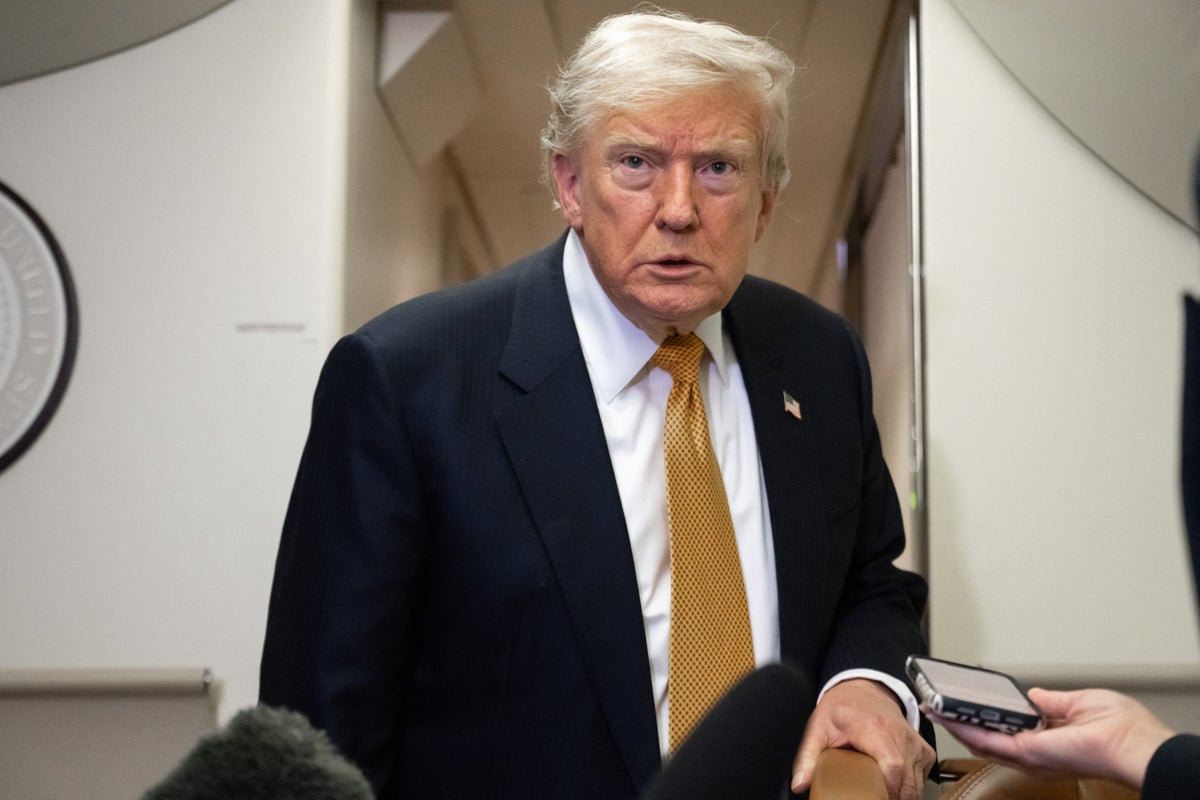
Anthony Albanese just broke a promise he made exactly 12 months ago. He won't be stepping foot in north-east Arnhem Land for this year's Garma festival.
If you're tracking the Prime Minister's political trajectory, this shouldn't come as a shock. But it's a massive shift for a leader who hitched his early legacy to the Indigenous affairs portfolio.
Let's look at what he actually said at the Garma Key Forum back in 2025: "I commit here that every single year that I have the great honour to be Australia's prime minister, I will be here and engaged with you."
He didn't just miss a date in the calendar. He walked away from an explicit personal guarantee.
Instead of Albanese, a high-profile contingent of Labor ministers—including Foreign Minister Penny Wong and Indigenous Australians Minister Malarndirri McCarthy—will make the trek to the event, which runs from July 31 to August 3. McCarthy admitted to ABC Darwin that the Prime Minister's absence is deeply disappointing for Yolŋu representatives and the Yothu Yindi Foundation.
The official reason? "Other commitments."
Politicians always have other commitments. The real story is how the political calculus around Indigenous policy has completely transformed since the crushing defeat of the Voice to Parliament referendum.
Moving Past Symbolism in Indigenous Affairs
When Albanese used the 2022 Garma festival to dramatically unveil his preferred wording for the Voice referendum, the event felt like the epicenter of Australian political momentum. It was a high-stakes, high-reward environment.
Now, the vibe is entirely different.
The Yothu Yindi Foundation remains incredibly gracious, calling the PM a "good friend" who hasn't missed a festival since 2019. But goodwill doesn't hide the broader political fatigue.
The hard truth is that showing up to a festival isn't a substitute for concrete outcomes. Professor Megan Davis, a core architect of the Uluru Statement and co-chair of the Uluru Dialogue, put it bluntly: "Going to Garma is not a public policy."
Davis isn't tearing into Albanese for staying in Canberra or traveling elsewhere. In fact, she noted that measuring a leader's political commitment by festival attendance is fundamentally flawed.
"Our communities are concerned with actual federal policies and the failure of closing the gap, a problematic framework which Labor inherited from the LNP, which is like this ever-expanding, multi-headed serpent." — Professor Megan Davis
That multi-headed serpent is the real issue.
The Disconnect Between Festivals and Outcomes
If you talk to people working on the ground in regional and remote communities, they'll tell you the same thing: the gap isn't closing. The metrics are stagnant, and in some areas, worsening.
Labor has struggled to find its feet on Indigenous policy since the 2023 referendum failed. They've backed the concept of a Makarrata commission for truth-telling and treaty, but the progress has been painfully slow. There's a distinct lack of urgency, a sense that the government is terrified of touching anything that might spark another bruising culture war before the next election cycle.
Look at what's happening outside the festival bubble:
- The Northern Territory children's commissioner just resigned over child protection changes that roll back the Indigenous placement principle.
- Grassroots groups are slamming the federal government for a lack of accountability on basic service delivery.
- The shadow Indigenous minister, Julian Leeser, is attending Garma this year, ensuring the Coalition has a presence to critique Labor’s absence.
Albanese's team knows that going to Arnhem Land means facing tough, uncomfortable questions about what his government has actually achieved since the Voice went down. Sending Penny Wong and Malarndirri McCarthy gives the administration a buffer. It signals respect without putting the Prime Minister directly in the line of fire.
What Needs to Happen Next
The Prime Minister skipping Garma is a clear signal that the era of grand symbolic gestures in Australian politics is over. Symbolism without structural change leaves people cynical.
If the government wants to prove that missing this event isn't a retreat from its core responsibilities, it needs to shift focus from the festival stage to structural reform.
First, the Commonwealth must stop hiding behind the bureaucratic tangle of the Closing the Gap framework. The current setup spreads accountability so thin that no one actually takes the blame when targets are missed. Federal funding needs to link directly to localized, community-led outcomes, not top-down bureaucratic milestones.
Second, the Albanese government needs to be honest about its timeline for the Makarrata commission. If a national truth-telling process is politically dead for this term, they should say so, rather than keeping communities in limbo.
Showing up matters, but delivering matters more. Skipping the festival might look bad on the front pages today, but the real test for Albanese won't be whether he returns to Arnhem Land in 2027. It will be whether his government can point to actual, tangible improvements in the lives of Indigenous Australians before voters head back to the ballot box.