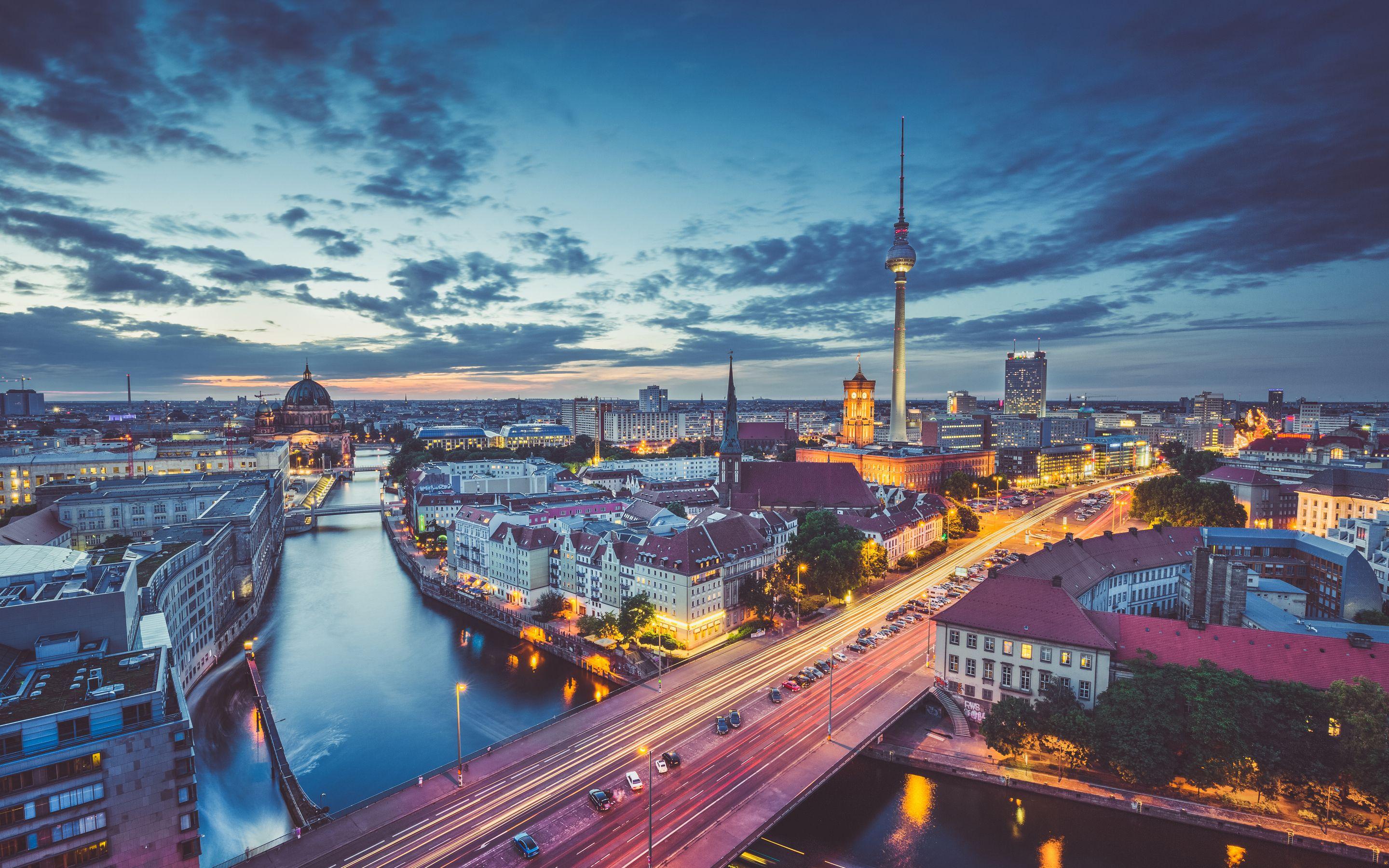
A peaceful celebration of love and identity transformed into absolute chaos on a warm July evening in the German capital. Hundreds of thousands had gathered for Berlin Christopher Street Day, one of Europe's largest LGBTQ+ pride events. Joy filled the air near the Brandenburg Gate. Then, violence struck just a few hundred meters away in the Tiergarten park.
A rented minivan plowed directly into a crowd of pedestrians. The driver emerged, brandishing a machete, and began slashing randomly at survivors. One 65-year-old Polish woman lost her life, and 29 others suffered severe injuries.
Chancellor Friedrich Merz called it a direct assault on German society. Locals are left picking up the pieces, asking how a known threat slipped through the cracks of the justice system.
Who Was Behind the Berlin Pride Attack
Investigators quickly identified the perpetrator as Abdul Ballout, a 21-year-old German citizen with Lebanese roots. The motive points squarely at Islamic extremism. Reports revealed that Ballout had previously tried to travel to the Middle East to join the Islamic State.
Even more alarming, he wasn't an unknown entity to police. Just two months prior to the rampage, a juvenile court in Berlin convicted him of preparing a serious act of state-endangering violence and spreading extremist propaganda online.
Despite a history of radicalization and prior convictions for robbery and bodily harm, Ballout was walking free. He was not under close surveillance. A massive manhunt ended the next day when special police commandos tracked him down to an allotment complex in Spandau, shooting him dead after he advanced on officers with a bladed weapon.
The Immediate Fallout and Political Shockwaves
The backlash was swift. Citizens are angry. Security experts are baffled.
Politicians across the spectrum are demanding answers about why a convicted jihadist sympathizer remained on the streets. Interior Minister Alexander Dobrindt announced plans to tighten national security laws. Proposed changes target the increased use of electronic monitoring ankles and preventive detention for individuals classified as high-risk security threats.
Lawmakers are also taking aim at Germany's juvenile criminal laws. Under current regulations, individuals up to age 20 can be tried in youth courts, which often carry lighter sentences and different probation considerations. Critics argue that applying lenient youth standards to adults who pose active terror threats makes zero sense.
The timing adds fuel to an already volatile political fire. With Berlin state elections looming, the debate over immigration, border security, and radicalization is dominating public discourse. Far-right factions are gaining momentum, turning safety into the single most important ballot-box issue.
Defending Open Society
Fear is a weapon. Extremists use violence precisely to fracture tolerant societies, hoping to provoke heavy-handed crackdowns or mutual suspicion.
Berliners are pushing back against that fear. Thousands flooded the streets around the Brandenburg Gate following the tragedy, leaving flowers, lighting candles, and holding vigils. Religious leaders, politicians, and community advocates held memorial services to honor the victims and stand shoulder-to-shoulder with the queer community.
Openness requires protection. As Germany debates legal overhauls and tighter surveillance measures, the core challenge remains balancing fundamental civil liberties with the hard reality of stopping lone-wolf actors before they strike.
The investigation continues. Questions about institutional failures remain unanswered. The city mourns its dead, refusing to let intimidation win.