You can render red with beets. You can pull yellow out of turmeric. But if you want to make a candy blue without dropping petroleum-based chemicals into the mixing vat, you run headfirst into a massive engineering wall.
Mars Inc. is finding this out the hard way. Under intense regulatory pressure from the Department of Health and Human Services under Robert F. Kennedy Jr. and his Make America Healthy Again (MAHA) initiative, the candy titan behind M&Ms and Skittles finally folded. After years of resisting, Mars quietly met with FDA Chief Marty Makary and announced it would roll out alternative versions of its iconic candies made without artificial FD&C colors.
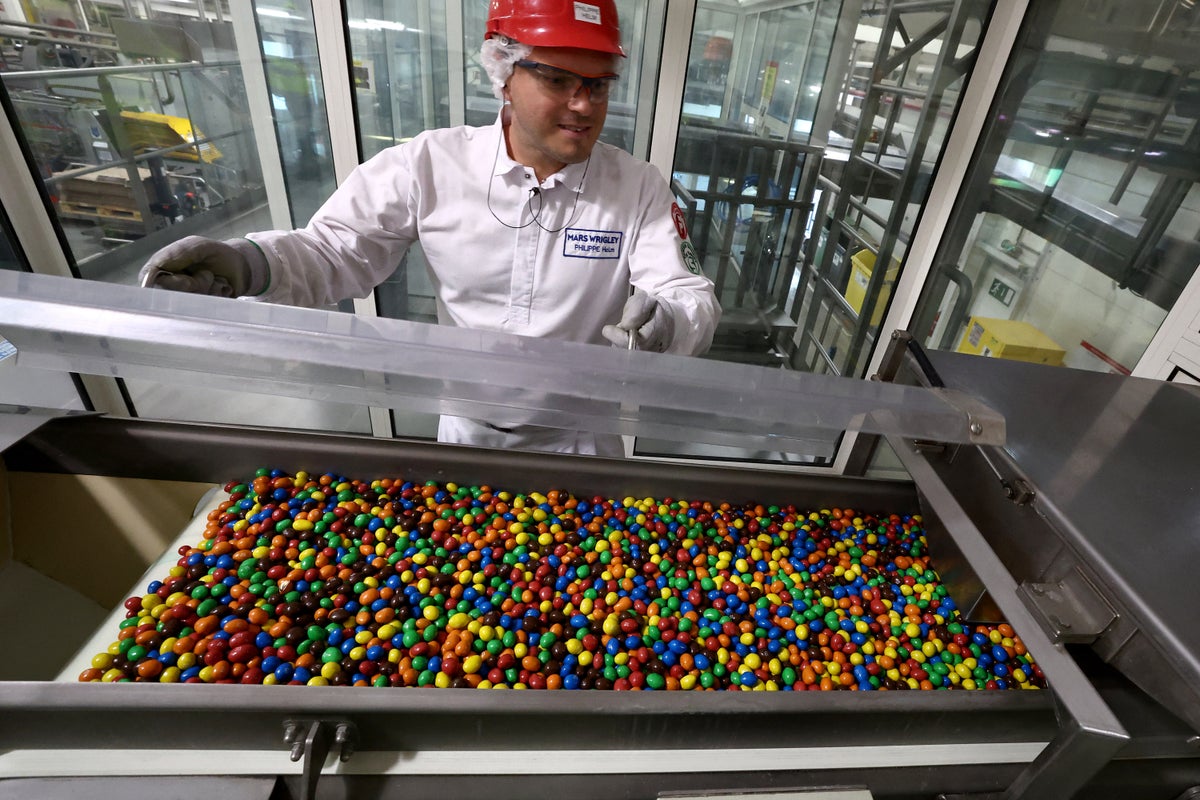
The first batches are slated to hit Amazon, but they won't look like the M&Ms you grew up eating. In fact, they'll look distinctly broken. The blue and brown candies are completely missing.
The Algae That Clogs the Factory
Natural alternatives to artificial dyes aren't just expensive. They behave terribly inside industrial food machinery.
To solve the blue problem without using Blue 1, food scientists rely on spirulina, a blue-green algae. While wellness influencers love putting it in smoothies, industrial manufacturing lines hate it. Synthetic dyes are clean, highly concentrated liquids that slide through pipes without a fuss. Spirulina foams constantly during production, leaves a thick, sticky residue inside the machinery, and routinely clogs up the dispensing nozzles.
Because spirulina is less concentrated than petroleum dyes, you need massive quantities of it to achieve that classic bright blue hue. Mars produces roughly 600 million M&Ms every single day. Forcing that much thick, uncooperative algae slurry through hundreds of delicate high-speed machines requires a total overhaul of the factory floor.
The engineering headache is so severe that Mars couldn't get the blue candy ready for the initial launch. Because their brown coloring also relies on a base of blue dye, brown had to be axed too. The result is a radically stripped-down color palette that leaves the candy bag looking half-empty.
Why the European Excuse Deflated
For over a decade, food safety advocates hammered Mars for using a double standard. The Center for Science in the Public Interest (CSPI) frequently pointed out that Mars already made naturally colored M&Ms for the European market.
In the European Union, a 2008 law mandated that any food containing synthetic dyes like Red 40 or Yellow 5 must carry a prominent warning label stating the product "may have an adverse effect on activity and attention in children." Rather than plaster a warning label on candy bags, Mars simply reformulated its European recipes using natural colorings derived from plants and insects.
Yet back home in the United States, the company kept pumping out the synthetic stuff. Mars corporate policy previously defended this by claiming "consumer expectations regarding colors in food differ" by region. Translation: American consumers preferred cheap, neon-bright candies, and without a strict legal mandate to stop, the company wasn't going to take on the massive financial burden of upgrading its domestic factories.
The MAHA political wave destroyed that defense. When health officials announced a systematic phase-out of petroleum-based colors from the US food supply, major legacy brands like Nestlé, Kraft Heinz, and General Mills quickly fell in line. Mars tried to hold out, with trade groups like the National Confectioners Association arguing that candy is an occasional treat and consumers already know it contains artificial additives. But once the FDA signaled it would change its enforcement policies and give marketing flexibility to companies using "no artificial colors" labels, the writing was on the wall.
The Subsidized Color Shift
Don't expect Mars to eat the cost of this massive supply chain pivot. Overhauling factory equipment, securing massive quantities of agricultural color extracts, and dealing with lower production yields means the price of clean candy is going up.
The irony isn't lost on food industry insiders. The blue M&M didn't even exist until 1995, when consumers overwhelmingly voted in a massive marketing campaign to replace the old tan-colored candies with blue ones. The free market brought the blue candy into existence because synthetic dyes made it incredibly cheap and easy to produce. Now, government-backed health populist movements are making it so expensive and complex to manufacture that the color might face extinction on store shelves.
Mars aims to fix the spirulina engineering issues and offer a full six-color natural bag by 2028. Until then, anyone wanting to avoid synthetic dyes will have to get used to an asymmetrical mix of reds, yellows, and oranges that look more like an autumn leaf pile than a party snack.
If you want to track how this formula shift alters the candy landscape, watch the packaging claims. The FDA's new enforcement discretion means you'll see a surge of "No Added Artificial Color" labels popping up on grocery store shelves over the next 12 months. Keep a close eye on the ingredient lists of alternative batches on online platforms to see if the pricing premium justifies the missing colors.