When an 11-year-old boy disappears, a city mobilizes. But when that child has non-verbal autism and a habit of seeking quiet, hidden spaces, standard search protocols simply aren't enough.
In Calgary, real estate agents have stepped out of their traditional roles to serve as critical ground eyes. They aren't just putting up flyers or sharing social media posts. They are systematically unlocking, checking, and re-checking vacant homes, showhomes, detached garages, and outdoor sheds across northeast Calgary neighborhoods.
The search for Parker—an 11-year-old neurodivergent boy missing since July 16, 2026—has reached a critical phase. As police officers, search-and-rescue teams, and thousands of residents sweep the streets, local realtors have recognized a unique vulnerability in the neighborhood: vacant properties for sale.
Here is how local real estate professionals are leveraging their access to help law enforcement, why vacant properties pose a unique challenge in missing person investigations, and what every property owner needs to know right now.
The Search for Parker and the Race Against Time
Parker disappeared from a dayhome in the Northwest Calgary neighborhood near Connaught Drive between 11:08 a.m. and 11:41 a.m. on Thursday, July 16. Over the days that followed, police pieced together a timeline using security video. It showed Parker traveling northeast through Highwood, along Northmount Drive, toward Centre Street and McKnight Boulevard, before being spotted in the 5000 to 6000 block of Travis Crescent N.E. around 12:52 p.m. that same day.
He hasn't been seen since.
Search teams face a complex set of factors:
- Non-verbal communication: Parker has non-verbal autism and may not respond when his name is called.
- Tendency to seek shelter: He is known to enter accessible buildings, enclosed structures, or quiet nooks and can lock doors behind him.
- Fear of strangers: Approaching him directly or shouting could startle him, causing him to hide deeper or run.
Calgary Police Service officers have put in relentless hours. Over 550 officers have covered more than 7,000 kilometers on foot—a total distance equivalent to walking from Calgary to London, England. Investigators have combed through more than 2,000 video clips from doorbell and security cameras across 175 locations and evaluated over 550 public tips.
Yet, vast urban areas contain thousands of blind spots that police cannot enter without permission or specific grounds. That's where Calgary's real estate community stepped up.
Why Vacant Homes Are Critical Blind Spots
Empty houses listed on the market represent a specific operational risk during a search for a missing child. These properties often sit unoccupied for days or weeks at a time. Showings happen intermittently, and backyards, detached garages, or open crawlspaces can easily go unchecked.
Because Parker tends to explore open doors and lock them behind him, an empty home with a cracked garage door or an unlocked side entry is a primary area of concern.
Calgary police identified several specific streets of interest in the Northeast:
- Travis Crescent N.E.
- Travis Street N.E.
- Trail Drive N.E.
- Taylor Crescent N.E.
- Travis Place N.E.
- Thomas Street N.E.
Police specifically asked homeowners, landlords, and real estate professionals managing properties on these streets to conduct thorough, repeated physical searches.
How Calgary Realtors Are Mobilizing on the Ground
Realtors possess something the general public doesn't: direct access to property lockboxes, seller keys, and private surveillance camera feeds attached to listed homes.
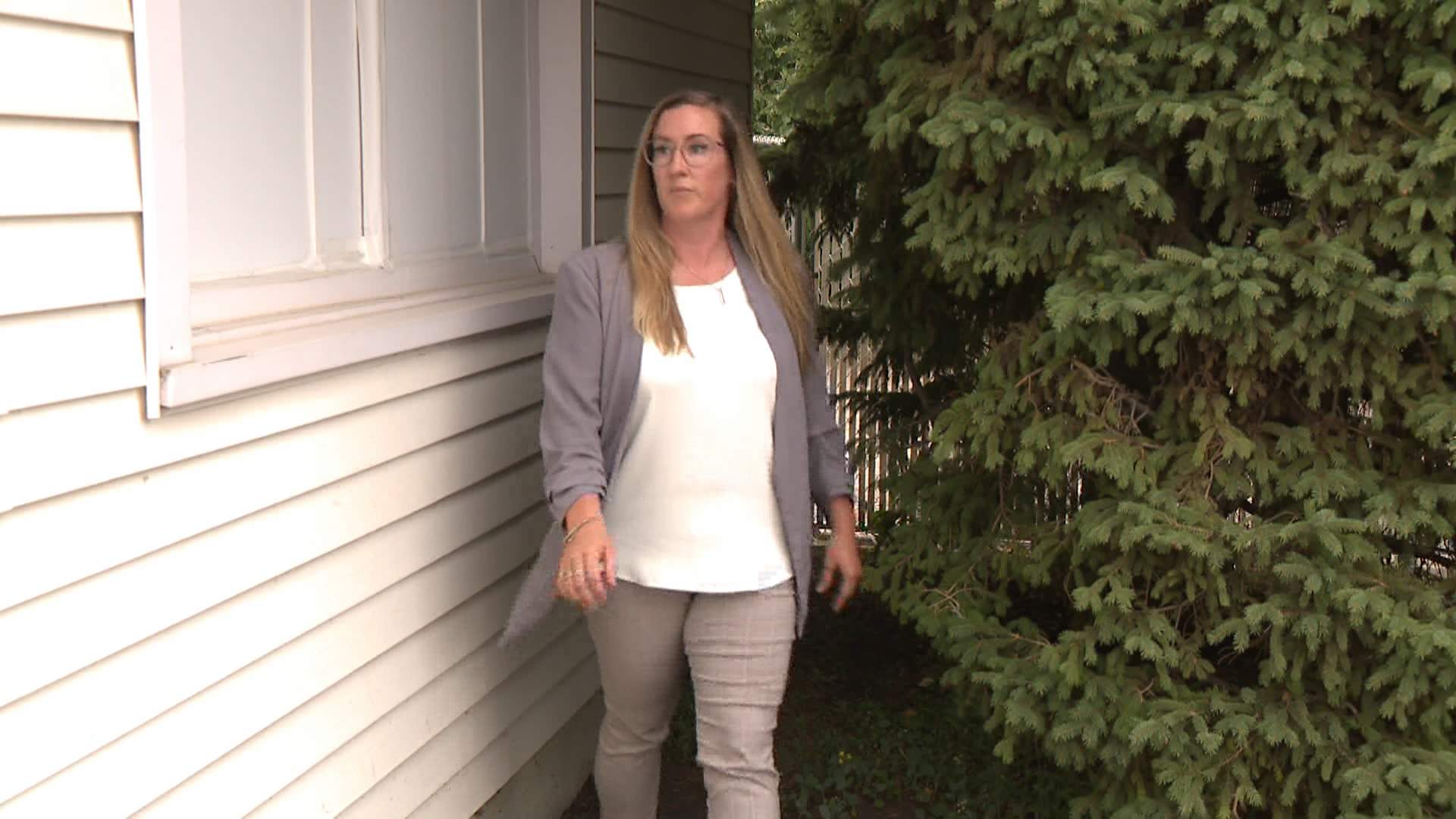
Justine Poirier, a local real estate agent with The Real Estate District, has been actively inspecting her listings in the designated target zone.
"I've looked at every cabinet, opened up everything, the shed, the garage, just to—you never know, could he have popped in if someone went to look at the garage during a showing," Poirier noted during a recent property sweep on Thomas Street N.E.
Poirier's experience highlights the exact thoroughness required. She didn't just walk the perimeter; she physically opened interior cupboards, inspected garden sheds, checked vehicle trunks, and reviewed doorbell camera archives. In fact, video captured by one of her listing's smart doorbells was handed directly over to police investigators to help verify Parker's travel path.
What Agents Are Checking During Property Audits
Real estate agents conducting searches across vacant and staged properties are following a rigorous checklist:
- Outbuildings and Structures: Unlocking sheds, detached garages, playhouses, and garbage enclosures.
- Interior Hideaways: Opening storage closets, under-stair spaces, laundry hampers, utility rooms, and large cabinets.
- Parked Vehicles: Checking unlocked cars, trucks, RVs, or boat covers parked on driveway pads or alleyways.
- Under-Deck Areas: Crawling beneath low decks, porch steps, and raised patio structures.
- Digital Evidence: Pulling cloud footage from Ring, Nest, or local hard-drive security systems to look for any movement recorded over preceding days.
This ground-level collaboration bridges a major operational gap for law enforcement. Police cannot enter private homes or locked outbuildings without explicit consent unless exigent circumstances exist. When listing agents proactively clear their inventory, they allow search teams to narrow their focus on unsearched public corridors and dense terrain.
The Protocol for Missing Vulnerable Children
Searching for a neurodivergent child requires a fundamentally different mindset than searching for a lost adult or a typical teenager. Traditional search techniques—like shouting a person's name loudly or forming a tight line of people marching across a field—can backfire.
Search experts and autism advocacy groups emphasize several key realities when searching for non-verbal children:
1. The Danger of Wandering (Elopement)
Roughly half of children on the autism spectrum engage in wandering behavior (elopement). They often wander toward places of high interest, such as bodies of water, construction sites, playgrounds, or quiet enclosed spaces. They usually don't understand the physical dangers associated with heat, cold, traffic, or water depth.
2. Quiet Search Techniques
When searching for a child with sensory sensitivities, loud noises, flashing emergency lights, and large crowds can trigger severe anxiety. The child may actively hide deeper inside a closet, box, or bushes to escape the noise. Searchers are advised to look closely at ground level and inside small spaces rather than relying on vocal responses.
3. Non-Confrontational Spotting
Calgary Police Service issued explicit instructions to the public regarding Parker: Do not approach him.
If a member of the public or a realtor spots Parker, approaching him directly might cause him to bolt into traffic or hide. The official instruction is simple: keep him in sight from a safe distance, stay calm, and call 9-1-1 immediately.
What Property Owners and Neighbors Must Do Right Now
If you live in Calgary—or if you manage real estate anywhere in the metropolitan area—you shouldn't assume your property has been ruled out. Police and search volunteers are asking every resident to take physical responsibility for their immediate surroundings.
Physical Checklist for Homeowners and Landlords
Do not just look out your window. Physically walk your yard and do the following:
- Check every locked and unlocked door: Ensure doors to sheds, detached garages, and greenhouses are actually secured.
- Look inside tight spots: Check dog houses, window wells, under tarps, inside utility trailers, and behind stacked firewood or recycling bins.
- Inspect crawlspaces and window wells: Ensure plastic covers on basement window wells are intact and haven't been dislodged.
- Review smart camera logs: Look back through motion alerts on your doorbell camera, back porch camera, or floodlight system from July 16 onward. Even a brief shadow or partial frame could provide a vital lead.
- Repeat the check daily: A child on the move may seek shelter in a spot that was empty yesterday morning.
Community-Led Searches Versus Official Police Efforts
During a high-profile search, community members naturally want to organize independent search parties. However, coordination with law enforcement is paramount.
Calgary Police Service issued a clear statement urging citizens not to confront residents or conduct unauthorized investigations that interfere with private property rights or disturb professional search grids. Uncoordinated crowds can contaminate scent trails needed by search-and-rescue canine teams and draw police resources away from active leads.
Instead, the family and police advised volunteers to focus on systematic, respectful searches of public areas within designated radiuses (specifically between 1.8 km and 3.8 km from his last known location) and to prioritize their own private properties.
Actionable Steps for Real Estate Brokerages During Local Crises
The quick response of Calgary realtors offers a blueprint for how industry groups can support emergency services during critical events. Brokerages don't need to wait for a formal police order to act.
If a missing person alert occurs in your operating territory, take these four immediate steps:
- Flag active listings in the search zone: Identify all active, pending, or vacant listings located within a 5-kilometer radius of the last known sighting.
- Issue an agent advisory: Notify managing agents to visit their listings personally, inspect all exterior structures, and ensure lockboxes and entry doors are secured.
- Audit security video: Ask sellers with installed security equipment to review all recorded events during the relevant timeframe and archive the footage.
- Coordinate directly with police: Designate a single point of contact at the brokerage to communicate with the police command center to avoid overwhelming emergency dispatch lines.
If you have any information regarding Parker's whereabouts, or if you have CCTV footage along the identified routes in Northeast Calgary, call 9-1-1 immediately or contact Calgary Police Service non-emergency at 403-266-1234.