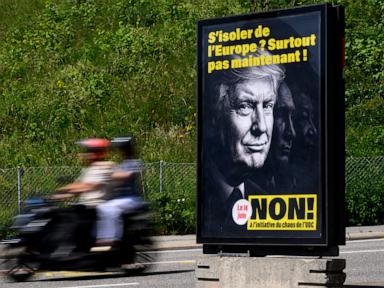
Switzerland is on the verge of making a choice that could fundamentally alter its economic survival. On June 14, 2026, Swiss citizens are hitting the ballot boxes to decide on a radical proposal. They're voting on whether to legally cap the country’s permanent resident population at 10 million people between now and the year 2050.
The initiative is officially called "No to a Switzerland with 10 million," though locals simply call it the Sustainability Initiative. It's spearheaded by the right-wing, populist Swiss People’s Party (SVP), the largest faction in the federal parliament. To outsiders, setting a hard population ceiling might sound like a simple way to preserve a country's natural beauty and quality of life. But in reality, it's a high-stakes economic gamble. If passed, it could trigger a catastrophic split from the European Union, crippling the very industries that made Switzerland rich. For a different look, read: this related article.
The Mechanics of a Hard Population Ceiling
At the end of 2025, Switzerland's permanent resident population hovered around 9.1 million people. Since 2002, when the nation opened up to the free movement of persons agreement with the EU, the population has surged by roughly 1.7 million residents. The vast majority of this growth stems from immigration.
The SVP initiative sets a clear line in the sand. It mandates that the population must never exceed 10 million before 2050. But the legal teeth of the bill start chattering long before that number is reached. Related analysis on this matter has been shared by The Washington Post.
If the population touches 9.5 million, the Federal Council and Parliament must immediately pivot. They'd be forced to slash asylum approvals and severely restrict family reunification visas. Furthermore, Bern would have to negotiate immediate exemption clauses with the EU regarding migration.
If those negotiations fail and the population still hits the 10 million mark, a guillotine clause drops. The Swiss government would have exactly two years to terminate the free movement agreement with the EU. Because of how Swiss-EU treaties are structured, canceling that single agreement automatically nullifies the entire Bilateral Agreements I package. That means losing seamless access to the European single market.
Strained Infrastructure Versus Severe Labor Shortages
Walk through Zurich, Geneva, or Bern, and you'll hear the core arguments of the "Yes" camp. Infrastructure is under pressure. Trains are crowded. Housing costs are skyrocketing, leaving locals priced out of major cities. The SVP has capitalized on these genuine frustrations, arguing that unchecked growth destroys the traditional Swiss way of life and spoils the Alpine environment.
But look beneath the surface, and the solution looks far worse than the problem. Switzerland isn't growing just because people love the mountains. It's growing because its economy is an absolute powerhouse that requires foreign labor to function.
Like most of Europe, Switzerland faces a rapidly aging population and a plummeting birth rate. By 2055, the proportion of Swiss citizens aged over 65 is projected to climb to more than 27%, up from 21% today. Without young, working-age immigrants paying into the social security system, the pension model collapses.
The private sector is terrified. Industry giants in pharmaceuticals, finance, and technology rely heavily on highly skilled expats from neighboring Germany, France, and Italy. EconomieSuisse, the nation’s main business umbrella organization, hasn't minced words. They labeled the population cap an "absurd proposal" that acts as an illusion of a free lunch. It promises to fix traffic jams and housing shortages, but it won't. Instead, it will create a massive labor shortage in critical areas like healthcare, where Swiss hospitals are already desperately short of nurses and doctors.
High Stakes and Record Spending
This isn't the first time Switzerland has flirted with isolationism. In 2014, voters narrowly passed a similar SVP-backed initiative to curb mass immigration. However, Parliament eventually watered down the implementation to avoid an ugly divorce from the EU. That compromise left right-wing voters feeling cheated. This time, the SVP wrote the text with explicit, legally binding triggers to ensure no one can dilute the results.
The sheer intensity of this political battle shows up clearly in the balance sheets. According to data from the Federal Audit Office, total campaign spending from both sides shattered records, surpassing 15 million Swiss francs ($17.5 million). The previous record for a Swiss referendum was 10 million francs back in 2024.
Polling by the SRG agency and Tamedia indicates an incredibly tight race. Early support for the initiative peaked at 52% in April, but the "No" camp clawed back momentum as business leaders and the federal government ramped up warnings about economic isolation. Recent polls point to a razor-thin majority for the "No" side at around 52%, but Swiss immigration votes are notoriously unpredictable.
What Happens Next
Because Swiss direct democracy requires a double majority to alter the constitution, the initiative must win both the overall popular vote and a majority of the 26 cantons.
If you are tracking the future of European trade, immigration policy, or global business, you need to watch the results coming out of Bern this afternoon. A "Yes" vote will immediately throw Switzerland’s relations with its biggest trading partner into complete chaos, forcing multinational corporations to reconsider their European headquarters. A "No" vote will offer a sigh of relief to the business elite, but it won't solve the underlying anger over high rents and packed trains. Either way, the Swiss model is facing its toughest test in a generation.