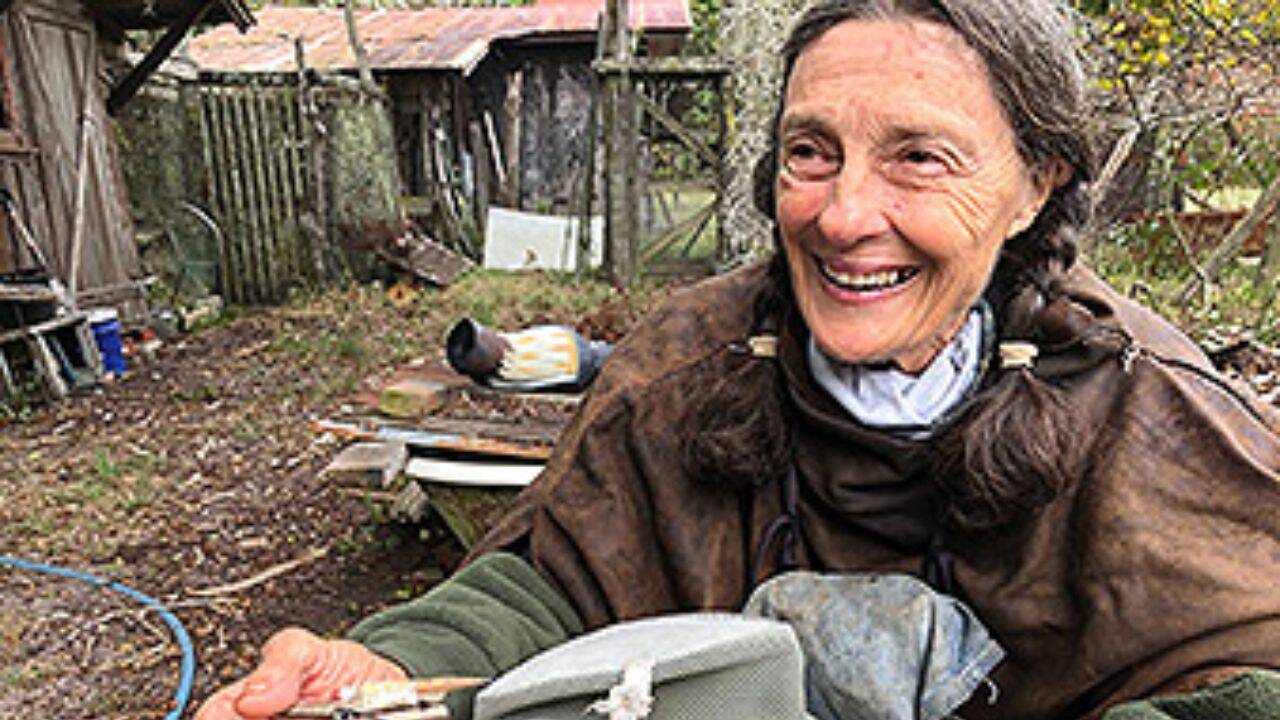
You can keep your luxury resorts and manicured nature trails. Carol Ruckdeschel doesn't need them, and honestly, she never did. For over five decades, the 84-year-old self-taught biologist has lived on the northern tip of Georgia's Cumberland Island, surviving on her own terms. She doesn't just study the wilderness. She's part of it.
Most people know her from sensational headlines or Will Harlan's biography, Untamed: The Wildest Woman in America. They focus on the shock value—the fact that she eats roadkill, wrestles alligators, and once shot an abusive ex-partner in self-defense. But focusing only on the wild folklore misses the real point of her life. Her daily existence is a fierce, data-driven war against the destruction of one of America's last pristine barrier islands.
The Myth of the Wild Woman
People love a good eccentric hermit story. It's easy to look at an 84-year-old woman living off-grid in a cabin made of scavenged wood and think she's just running away from society. That's a mistake. Ruckdeschel didn't retreat to Cumberland Island in 1973 to hide; she went there to fight.
Before she became the island's resident protector, she convinced then-Governor Jimmy Carter to protect the Chattahoochee River by simply taking him on a canoe trip and showing him the raw pollution dumping into the water. She's always been direct. She sees a problem, dumps the reality of it right in front of the people in power, and refuses to back down.
When she permanently moved to the north end of Cumberland Island, she traded a normal life for a grueling schedule. She trained herself to survive on one meal a day to keep her living costs practically at zero. Why? Because money means getting a regular job, and a job means losing your freedom to defend what matters.
Real Science Over Shock Value
The media loves to talk about her skinning deer hit by cars or boiling down dead animals, but she doesn't do it for shock value. She does it for the data. Ruckdeschel is a self-taught scientist who transformed her home into the Cumberland Island Museum. She has filled it with thousands of specimens, tracking skulls, shells, and bones to map the island's ecological health over decades.
Her primary focus has always been sea turtles. Decades ago, nobody was keeping track of the dead sea turtles washing up on the Georgia coast. Ruckdeschel started the sea turtle stranding network out of sheer necessity. She spent nights walking miles of dark beaches, tracking nesting habits, and dissecting dead turtles to prove exactly how commercial fishing nets and human trash were killing them.
Her work isn't just a hobby. She co-authored foundational books like Sea Turtles of the Georgia Coast and published comprehensive natural histories of the island. Academics with fancy degrees rely on her research because you can't fake fifty years of daily, boots-on-the-ground observation.
Standing Against the Billionaire Class
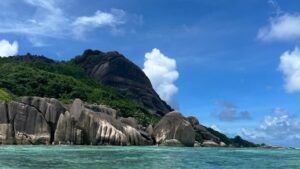
Cumberland Island is a complicated place. It's the country's largest coastal barrier island wilderness, but it was also once the private playground of the ultra-wealthy Carnegie family. When the National Park Service took over much of the island to create the National Seashore, a messy compromise left several private holdings intact.
Ruckdeschel has spent decades clashing with both wealthy heirs and federal bureaucrats. To her, the island must remain wild. She fought against vehicle tours, massive docks, and any development that threatens the fragile dune ecosystems. The National Park Service actually owns her current residence, but she secured a life estate. She is legally allowed to stay right there until the day she dies.
She has outlasted her critics, her husbands, and many of her peers. Even now, she keeps a close eye on the island's feral horse population and pushes for solutions that protect both the habitat and the animals.
What You Can Do Right Now
Ruckdeschel's life shows us that protecting nature isn't about writing a check or liking a post on social media. It takes real, uncomfortable effort. You don't have to move into a shack and eat roadkill to make a difference, but you do need to take action.
Start by supporting the groups directly involved in keeping places like Cumberland wild. You can look into the preservation work done by Wild Cumberland, a group dedicated to protecting the island's wilderness from commercial encroachment. Read up on local coastal conservation networks in your own area. Most importantly, stop looking at the environment as something separate from your life. Spend time outside, learn the names of the native species around you, and pay attention to how your community treats its green spaces. True conservation starts when you decide to care about what happens to the dirt under your own feet.