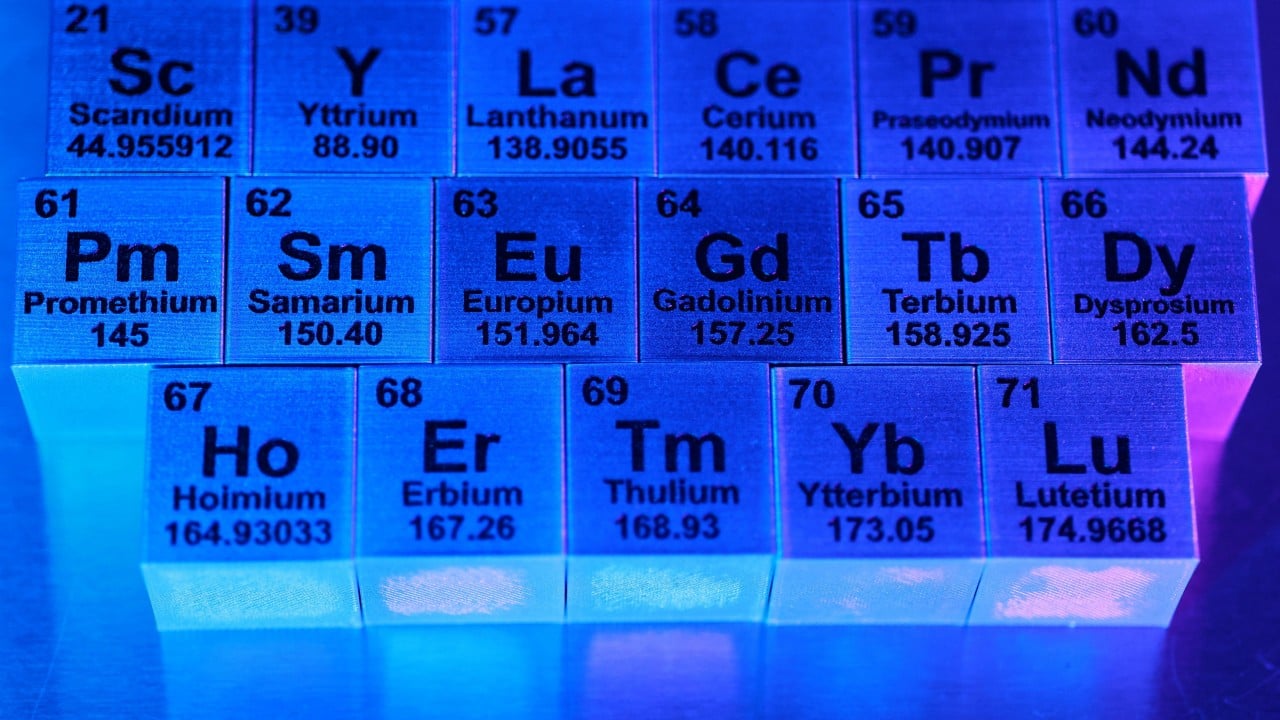
Enforcement systems built entirely on corporate punishment have a massive, baked-in flaw. They depend on regulators catching violations before the materials leave the dock. Beijing just changed the game by crowdsourcing its surveillance.
China's Ministry of Commerce (MOFCOM) announced a sweeping upgrade to its reporting system for strategic mineral export control violations. Starting July 1, 2026, any individual or organization can report suspected smuggling, unauthorized exports, or illegal technology transfers involving dual-use strategic minerals. If you give a named, verified tip that leads to a successful bust, Beijing will reward you.
This isn't just a minor bureaucratic tweak. It is a fundamental rewiring of how the world's dominant rare earth producer intends to police its monopoly. By turning corporate insiders, logistics handlers, and everyday citizens into potential tipsters, China is moving toward a model of distributed surveillance. If you're a foreign buyer trying to source Chinese rare earths through the back door, your risk profile just skyrocketed.
The Micro-Targeting of Corporate Compliance
The updated MOFCOM framework targets specific gaps that traditional customs checks usually miss. Under the new measures, the reporting scope expands far beyond the physical act of sneaking rocks across a border.
Beijing is specifically incentivizing tips on:
- Circumvention via third countries: Transshipment schemes where Chinese minerals are routed through intermediaries to obscure their true destination.
- Service providers: Logistics firms, freight forwarders, financial institutions, and legal advisers who knowingly assist unlicensed exporters.
- Unlicensed technology transfers: Smuggling the processing and refinement know-how, not just the physical minerals.
This micro-targeting creates a prisoner's dilemma for international supply chains. MOFCOM has cleverly included a self-disclosure provision. If an exporter catches its own compliance gap and reports it before a whistleblower does, the state promises mitigated penalties. It is a race to open up. Companies now have to weigh the risk of internal secrecy against the very real financial incentive for an employee to use the newly established online platform or telephone hotline.
The Geopolitical Context and the 0.1 Percent Threshold
The timing of this announcement isn't accidental. It comes right on the heels of major geopolitical friction. Just days ago, China added ten US-based companies—including prominent rare earth miner MP Materials—to its export control list, effectively banning dual-use exports to those firms in retaliation for US restrictions on Chinese tech giants.
Simultaneously, reports surfaced that Japanese nationals were detained in China on allegations related to smuggling rare earth-related goods. The message from Beijing is clear: the rules are active, and enforcement is scaling up.
This matters immensely because of the regulatory architecture China has built over the last two years. In 2025, Beijing clamped down with the introduction of strict rules regarding Chinese-origin content. If a foreign component or product contains even a minute fraction—often benchmarked near 0.1% or more—of restricted Chinese rare earth elements, it falls under the shadow of these extraterritorial export controls.
With the new whistleblower mechanism active, the statistical probability of a minor supply chain bypass getting flagged has increased dramatically.
What It Means for Global Procurement Teams
For years, many western procurement teams treated rare earth compliance as a paper-shuffling exercise. You signed a few declarations, trusted your freight forwarder, and assumed everything was fine. Those days are officially over.
If you are managing an international hardware, automotive, or defense supply chain, you need to shift from passive tracking to active forensic auditing.
First, look at your service providers. Because the new Chinese rules specifically hold logistics firms and financial intermediaries liable, your shipping partners in Asia are going to become incredibly risk-averse. Expect longer lead times, aggressive auditing of your end-use certificates, and potential mid-transit delays as forwarders double-check their own liabilities to avoid a whistleblower tip.
Second, understand that anonymous tips are accepted, but named tips get the cash. This means disgruntled employees, corporate competitors, or compromised logistics clerks have a direct financial motive to inspect your paperwork. If your documentation contains even minor discrepancies regarding the final destination or processing methods of neodymium, dysprosium, or superhard diamond materials, assume someone will notice.
Your Immediate Next Steps
Stop relying on standard vendor assurances. You need to implement an immediate three-step protocol to insulate your operation from these distributed enforcement measures.
- Conduct a Clean-Room Origin Audit: Map your magnet and component supply chains down to the specific mine and processing facility. If any vendor utilizes a transshipment route through southeast Asia to mask Chinese-origin minerals, flag it immediately.
- Review Third-Party Logistics Contracts: Update your agreements with freight forwarders operating in mainland China. Ensure they have updated compliance protocols matching the July 1, 2026 MOFCOM mandate, and secure indemnification clauses against delays caused by third-party reporting investigations.
- Establish an Internal Pre-Emptive Screening Process: Match your internal shipping data against China’s expanding restricted entity list before orders are placed. If a sub-tier supplier has even remote ties to a blacklisted firm, source an alternative immediately. The cost of switching suppliers now is fractional compared to having your cargo seized under a whistleblower probe.