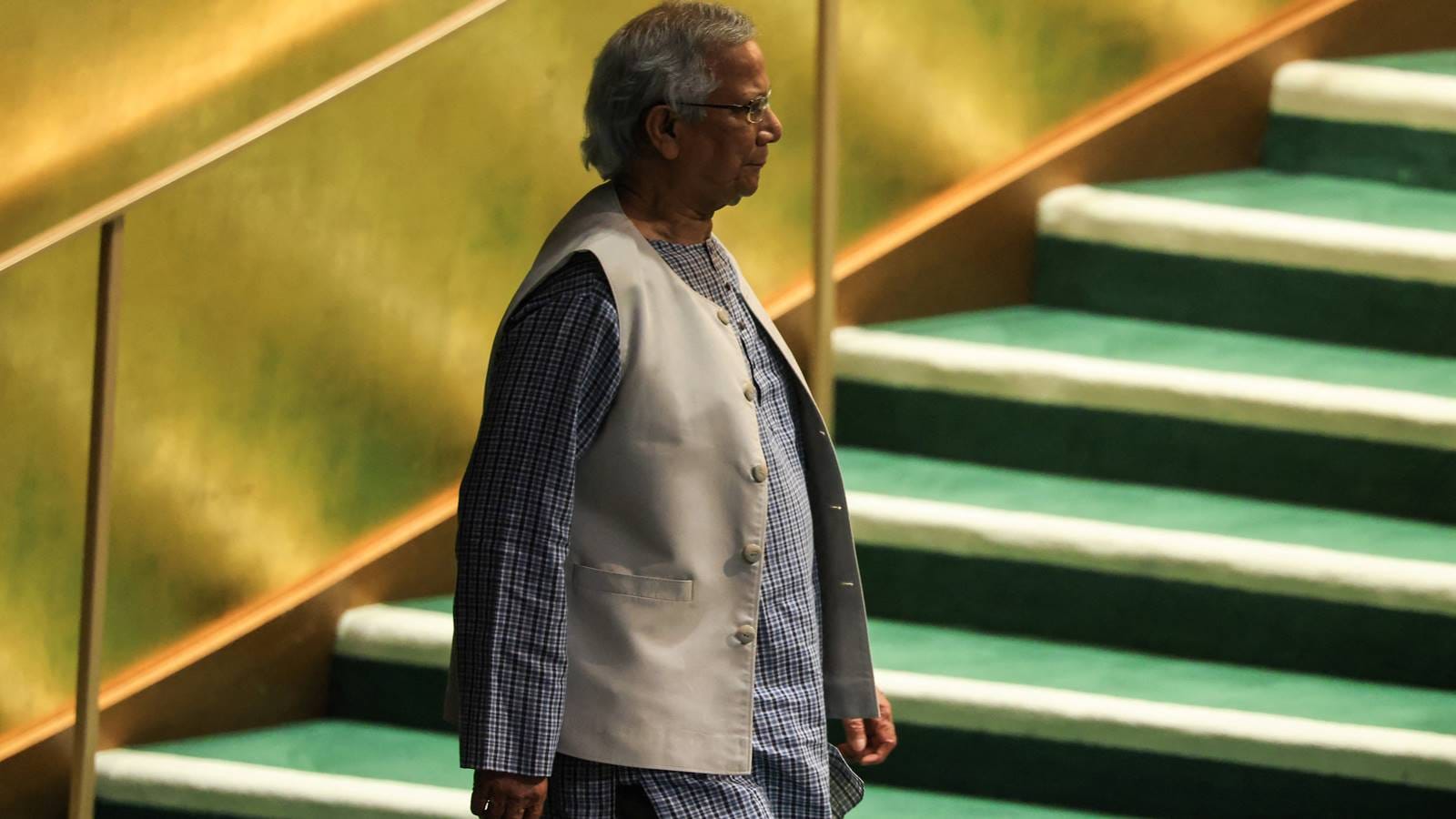
Signing eight memorandums of understanding during a two-day visit looks great on a press release. Yet treaties and MoUs in South Asia have a long history of gathering dust in filing cabinets while borders, rivers, and trade bottlenecks stay stubbornly the same. When Nepal Prime Minister Balendra Shah—known to most people simply as Balen Shah—met Prime Minister Narendra Modi at Hyderabad House in New Delhi on November 23, 2026, the India Nepal MoUs were only part of a much bigger, messier story.
Shah’s trip, running from November 22 to 23, 2026, was his first bilateral visit abroad since taking office in March 2026. Most coverage stops at listing the eight pacts and clapping for diplomatic warmth. Honestly, that misses the real stakes. A non-traditional prime minister who rose to prominence shaking up Kathmandu politics is now sitting across from a seasoned Indian leader, trying to turn big promises into concrete results without getting bogged down in old political sensitivities.
Along with the eight MoUs, the two sides rolled out a broader development package and connectivity moves that tell you far more about where ties are heading than the paperwork alone. If you care about regional trade, energy, security, or simply whether cross-border travel gets easier, you need to look past the photo ops at Rashtrapati Bhavan and Raj Ghat.
What Those Eight MoUs Actually Cover
If you only read the headline, you might think New Delhi and Kathmandu signed sweeping defense or border treaties. They didn't. Most of the agreements signed after the Hyderabad House delegation talks focus on institutional training, technical cooperation, and shared public systems.
Here is how those eight agreements break down in practice:
- Space communications: The Indian Space Research Organisation (ISRO) and Nepal’s Ministry of Information and Communication (MOIC) signed an MoU to establish a Satellite Communication (SATCOM) network using the South Asia Satellite.
- Forensics and police training: Two separate agreements link policing and investigative institutions—one between the National Forensic Sciences University (NFSU) in Gandhinagar and Nepal Police’s Crime Investigation Department, and another between India’s Rashtriya Raksha University (RRU) and Nepal’s National Police Academy (NPA).
- Civil service training: India’s National Centre for Good Governance (NCGG) partnered with the Nepal Administrative Staff College to run capacity-building programs for Nepali civil servants.
- Healthcare and traditional medicine: One pact covers broader cooperation in health and medicine between the two health ministries, while a second government-to-government agreement focuses on Ayurveda and other traditional medicine systems.
- Urban planning and agriculture: Two technical agreements cover sustainable urban development and cooperation in livestock and fisheries development.
Notice what is happening here. Instead of fighting over grand political slogans, both governments picked areas where bureaucracy, technical agencies, and training institutes can actually talk to each other. Satellite links, forensic lab work, municipal planning, and civil service courses sound less dramatic than geopolitical clashes, yet they shape everyday administration.
Why Space, Policing, and Governance Matter More Than You Think
People often dismiss MoUs as non-binding wish lists. Sometimes they're right. Plenty of bilateral agreements in South Asia have stalled over funding gaps, shifting governments in Kathmandu, or slow implementation on the ground.
Still, look closely at the cluster of topics Shah and Modi picked. Forensic science and police academy cooperation aren't abstract diplomatic niceties. Cross-border crime, cyber fraud, narcotics, and movement across a long, open-feeling frontier create constant headaches for law enforcement on both sides. Giving investigators shared training and better forensic links helps solve practical problems that affect ordinary citizens.
Satellite communication under the South Asia Satellite is another telling piece. Remote mountain districts in Nepal often struggle with terrene-heavy telecom infrastructure and severe weather disruptions. Reliable satellite links can back up communications during emergencies, floods, or landslides—something Nepal knows painfully well after the devastating Rasuwa-Bhotekoshi floods.
And then there’s sustainable urban development. Coming from a background focused on city management and public pushback over urban problems in Nepal, Shah has plenty of reason to care about how towns and cities grow without turning into environmental and infrastructure traps.
The Bigger Picture Behind the Eight India Nepal MoUs
If you treat the eight agreements in isolation, you miss the real weight of the November 2026 visit. According to the joint press release from both governments and reporting from outlets like The New Indian Express and Nepal News, the leaders paired those eight MoUs with a major financial and infrastructure push.
India announced development assistance totaling INR 15,000 crore (NPR 24,000 crore), split into INR 3,500 crore (NPR 5,600 crore) in grant assistance for post-disaster reconstruction and new infrastructure, and an INR 11,500 crore (NPR 18,400 crore) Rupee-denominated Line of Credit for energy projects. They also adopted a joint vision framing complementary goals around a "Developed India" and a "Prosperous Nepal."
On top of the money, several physical and economic links moved forward:
- Rail and road links: Leaders virtually flagged off the Saryu-Kamala Express connecting Ayodhya and Janakpur Dham, inaugurated a motorable bridge linking Dharchula and Darchula, and laid the foundation stone for a new Integrated Check Post at Banbasa.
- Energy and fuel: The two sides dedicated Phase II of the Motihari-Amlekhgunj petroleum pipeline, laid the foundation stone for a petroleum terminal at Jhapa tied to a proposed Siliguri-Jhapa pipeline, and moved ahead on the 669-megawatt Lower Arun hydropower project alongside winter power import approvals.
- Trade and air routes: India announced transit trade access via Deendayal Port (Kandla) and future access to Paradip Port once infrastructure is ready, while both sides agreed to make the unidirectional B345 Kathmandu–Bhairahawa–Lucknow air route two-way.
That mix of pipelines, hydropower, ports, bridges, and rail says something clear. Both capitals want to lock in physical and economic arteries that keep goods, fuel, power, and people moving.
Where Skepticism Is Fair and Execution Could Trip Up
Let's be real for a second. Signing an MoU or laying a foundation stone is the easy part. Keeping momentum alive two or three years later is where bilateral diplomacy usually gets tested.
First, Lines of Credit and large infrastructure projects in Nepal have historically faced delays tied to project preparation, local approvals, procurement rules, and domestic political shifts. A big headline number in rupees or Nepali rupees doesn't automatically turn into turbines spinning or bridges carrying trucks overnight.
Second, long-standing irritants between India and Nepal—from border disputes and trade imbalances to river water management—don't vanish just because two leaders strike an upbeat tone in New Delhi. Any Nepali prime minister visiting India faces intense scrutiny back home, where voters watch closely for signs of over-dependence or unfulfilled promises.
Third, even practical ideas like two-way air routes or port access take technical coordination and commercial viability to work well. Airlines have to fly the routes profitably, and logistics operators have to find port routing faster or cheaper than existing options.
What to Watch Next and How to Track Real Progress
If you're following this relationship as a business watcher, policy nerd, traveler, or someone in South Asia whose work touches cross-border trade and infrastructure, don't judge the visit by speeches. Watch the follow-through over the next six to twelve months.
- Check project timelines, not just announcements: Track actual milestones on the Banbasa Integrated Check Post, the Jhapa terminal and Siliguri-Jhapa pipeline plans, and the 669-MW Lower Arun hydropower project.
- Watch aviation and logistics rollouts: Look for technical timelines to turn the Kathmandu–Bhairahawa–Lucknow route bidirectional and practical steps to use Deendayal Port and Paradip Port for Nepali cargo.
- Follow institutional training and SATCOM rollout: See when ISRO and Nepal's MOIC move from signing the SATCOM pact to operational connectivity, and how the police, forensic, and civil service programs get scheduled.
- Keep an eye on the next Joint Commission meeting: Both sides noted plans to hold the next Joint Commission meeting in 2027, which will be a concrete checkpoint on whether today's commitments are actually moving.