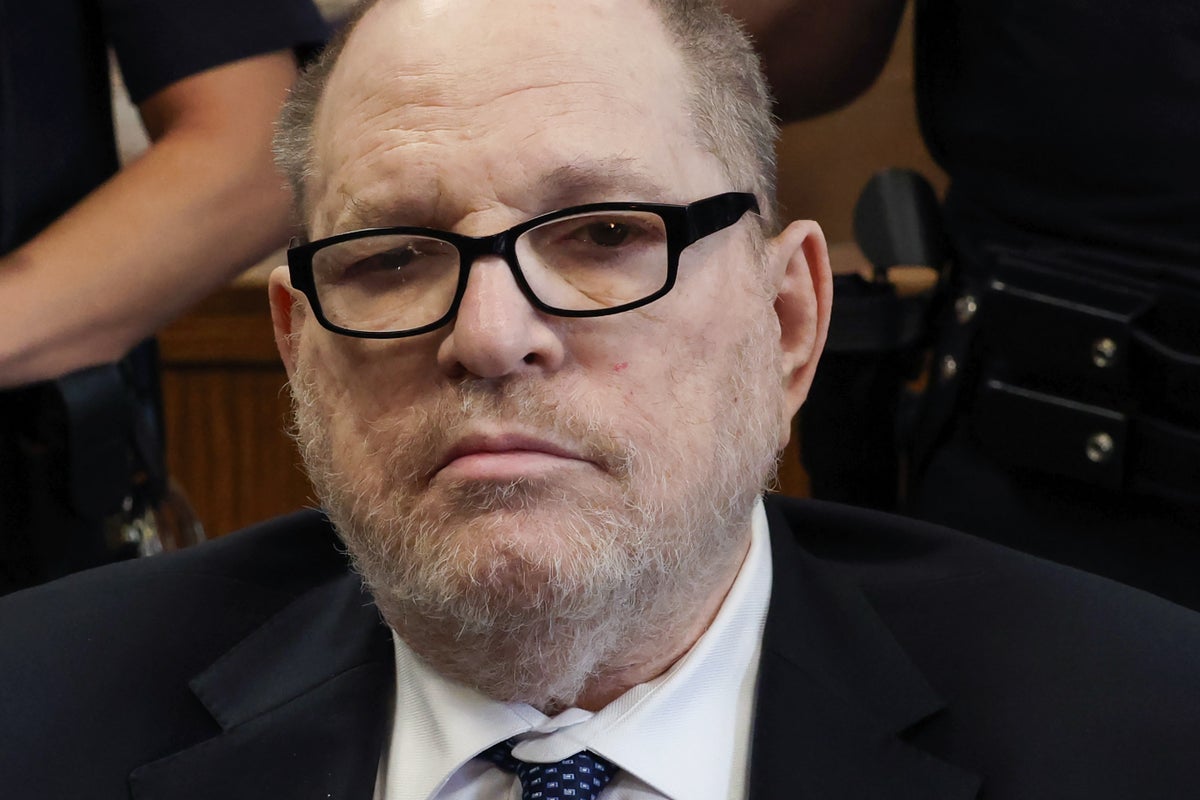
The headlines make it sound like a massive legal victory for a fallen movie mogul. Harvey Weinstein avoids a fourth trial as his New York rape charge is dropped. To the casual observer, it might look like the #MeToo movement is losing its teeth, or that the justice system simply gave up.
That is not what happened here.
The decision by Manhattan prosecutors to officially drop the remaining third-degree rape charge against Weinstein reveals the staggering human cost of repeatedly putting a survivor on the witness stand. It also underscores a cold legal calculation about prison time that has nothing to do with innocence.
Why Jessica Mann Stepped Away
The specific charge that Judge Curtis Farber dismissed centered on a 2013 hotel room encounter involving hairstylist and actor Jessica Mann. She spent eight years of her life locked in this legal battle. She testified across three separate trials, enduring grueling cross-examinations about a complicated, on-and-off relationship with Weinstein.
When the original 2020 conviction was overturned on technical grounds, she had to face it all over again. The 2025 retrial ended in a hung jury. The subsequent retrial in early 2026 deadlocked yet again.
Imagine having to detail your trauma five separate days on a witness stand while high-priced defense lawyers pick apart your old personal diary notes. Before this final trial could start, Mann drew a line in the sand. In a raw, unvarnished letter read to the court by prosecutor Nicole Blumberg, Mann made her reality clear. She had suffered a concussion right before her previous testimony, battled blinding headaches on the stand, and eventually disassociated.
She wrote that she was fragmented, silenced, defamed, and traumatized. She felt she paid the price of her reputation while pursuing a system where justice is better left a pipe dream. She chose not to proceed because she simply could no longer endure it.
Manhattan District Attorney Alvin Bragg made it a point to state clearly that the office fully believes Mann. They chose dismissal not because they doubted her, but to protect her from further psychological harm.
The Reality of Weinstein's Legal Future
Let's clear up the biggest misconception right now. Weinstein is not walking free. He did not win his liberty in a wheelchair.
The dropped New York rape charge was a low-level felony. It carried a maximum sentence of four years in prison. Weinstein, now 74, has already spent more time behind bars than that specific charge could ever give him. From a purely strategic legal standpoint, pursuing a fourth trial for a four-year maximum penalty made zero sense for the state, especially when weighed against the trauma of their primary witness.
Weinstein remains a convicted felon facing a lifetime behind bars.
He is currently awaiting a September 2026 sentencing in Manhattan for a completely separate New York conviction. That case involves the first-degree sexual assault of former production assistant Miriam Haley. Prosecutors are pushing hard for a 20-year prison term for that crime.
Even if his legal team somehow manages to whittle down his New York sentence or win future appeals, a massive legal wall waits for him on the West Coast. Weinstein still faces a 16-year prison sentence in California. That conviction stems from a December 2022 trial where a Los Angeles jury found him guilty of raping an Italian actress.
His New York defense lawyer, Jacob Kaplan, declared outside the courthouse that the charges should never have been brought and maintained his client's innocence. Weinstein himself has admitted to acting wrongly in his past but maintains he never assaulted anyone. Yet, the mountain of global legal judgments says otherwise.
What Happens Next
The focus now shifts directly to September 2026.
Judge Farber will hand down the final sentence for the Miriam Haley conviction. Weinstein's legal team is already working on appeals for both the upcoming New York sentence and the 16-year California verdict. They are betting on the same technical arguments that tanked his initial 2020 conviction.
For survivors of sexual assault, this development highlights a dark flaw in the American appellate system. When a high-profile conviction gets overturned on a technicality, the burden of proof falls entirely back onto the shoulders of the victims. They are forced to relive their worst moments in public, over and over, while the legal clock resets.
Jessica Mann chose her own mental health over a fourth round in a courtroom boxing ring. That is not a loophole for Harvey Weinstein. It is a stark reminder of the immense toll the justice system exacts from the people it is supposed to protect.