You pack your bags, head to the airport, and wait to board. Then comes the dreaded gate announcement. The flight is delayed, or worse, passengers and cargo are getting kicked off the plane. Why? Because the weather outside is simply too hot for the aircraft to safely leave the ground.
Most travelers assume planes fly in any weather short of a hurricane or a blizzard. Heatwaves rarely cross anyone's mind as a major travel hazard. But rising summer temperatures are throwing a massive wrench into global aviation.
[Image of airplane wing generating lift]
Physics doesn't care about your vacation schedule, and hot air creates a serious problem for heavy commercial jets.
The Brutal Physics of Hot Air and Lift
Planes don't fly on magic. They fly because air flows over their wings to create lift, while jet engines pull in air to generate forward thrust. When the thermometer spikes, air expands and its density drops.
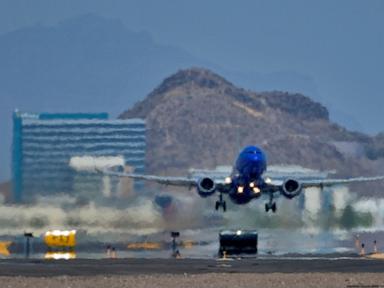
Thinner air means fewer molecules for the wings to push against and less oxygen for engines to combust. Pilots call this high density altitude. On scorching days, an aircraft needs significantly more runway distance to achieve the speed required for takeoff. If the runway isn't long enough to make up for that lost performance, the plane has to shed weight immediately.
Airlines face a strict mathematical limit on maximum takeoff weight. When summer temperatures soar past 100 degrees Fahrenheit, those safety margins shrink drastically.
What Happens When a Plane Is Too Heavy for the Heat
Dispatchers and pilots run real-time performance calculations for every single departure. If the numbers don't add up on a hot afternoon, crews have to take drastic action. You can't magically stretch a runway, so airlines are forced to choose between bad options.
- Offloading bags: Leaving checked luggage behind to catch a later flight is a common fix.
- Bumping passengers: Forcing people off an overbooked or weight-restricted flight happens more often than airlines admit.
- Burning or removing fuel: Forcing a plane to carry less fuel means scheduling an unexpected stop just to refuel down the line.
- Delaying departure: Waiting hours for the tarmac to cool down before attempting a takeoff.
Airports located in hot and high regions—like Phoenix Sky Harbor or destinations across the American Southwest—deal with this headache regularly. But rising global temperatures mean airports in regions that used to stay moderate are now running into the exact same performance walls.
How to Protect Your Trip From Heat Delays
You can't control the weather, but you can change how you book your travel to avoid getting stranded on a hot tarmac.
Book your flights for the early morning hours. Temperatures are lowest right before sunrise, meaning air density is at its peak and your plane can carry its full payload without drama. Avoid midday departures during peak summer heatwaves, especially if you're flying out of regional airports with shorter runways.
Airlines will keep selling tickets through the heatwaves, but ignoring the science of summer flying will only lead to missed connections and ruined trips. Plan around the heat before it grounds you.