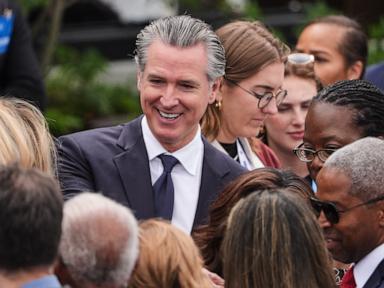
Gavin Newsom wants a national billionaires tax, but he is actively fighting one in his own backyard. On the surface, it sounds like classic political hypocrisy. The California Governor goes on Substack to pitch a sweeping, populist federal economic reset, yet blocks a ballot measure targeting the ultra-wealthy in the state with the highest concentration of billionaires in America.
It is easy to roll your eyes and dismiss this as a cynical branding exercise for a politician eyeing the White House. But if you look past the headlines, Newsom is highlighting a brutal reality of state-level economics that progressive activists refuse to acknowledge. Wealth is highly mobile, and trying to tax it state by state is an exercise in futility.
Here is what is actually going on behind the scenes, why Newsom is taking this gamble, and what it tells us about the future of taxation and wealth inequality.
The Tale of Two Taxes
The friction started when a powerful healthcare union, SEIU-UHW, pushed a ballot measure that officially qualified for California's November ballot. The proposal is straightforward: slap a one-time 5% tax on the assets of billionaires living in the Golden State. The cash would fund healthcare programs vulnerable to federal budget cuts.
Newsom immediately came out swinging against it. He joined forces with the California Chamber of Commerce and traditional business groups to shut the measure down.
Then came the pivot. Just as critics prepared to roast him for protecting the ultra-rich, Newsom dropped a comprehensive federal economic framework. He called for a minimum federal tax on anyone worth over $100 million. He wants to end the practice where the mega-wealthy borrow against stock portfolios to fund their luxury lifestyles tax-free. He wants higher inheritance taxes and a return to pre-Trump corporate tax rates. He even suggested the federal government should take a major equity stake in artificial intelligence companies to create a national public fund.
It is a massive ideological shift for a guy who spent years governing as a fiscal moderate. He is trying to align himself with the populist left represented by Elizabeth Warren, but he is doing it with a defensive shield built around California's treasury.
Why State Wealth Taxes Fail
Newsom's core argument is sound, even if the politics look messy. If you tax a billionaire in Los Angeles, they do not just sit there and pay it. They buy a mansion in Miami, change their primary residency, and take their massive income tax payments with them.
California relies overwhelmingly on its highest earners. The top 1% of taxpayers regularly generate nearly half of the state's personal income tax revenue. When tech stocks crash, California faces massive budget deficits. When tech founders move to Texas or Nevada, that revenue base erodes permanently.
A one-time 5% grab on billionaire assets might fund a healthcare program for a year or two. But if it scares away ten major tech founders, the long-term loss to the state's annual income tax base is catastrophic.
Billionaires can hire the best lawyers and wealth managers on earth. They do not get caught in state-level traps. Newsom wrote that wealth shops for the state with the lowest taxes, and he is right. The only way to stop the tax flight is to make the rules identical across all fifty states. A federal tax eliminates the internal escape routes. You can flee California for Austin, but you cannot flee America for Austin.
The Looming AI Threat to Workers
What makes Newsom's new platform different from older progressive tax pitches is the focus on artificial intelligence. He frames the wealth tax not just as a way to fund social programs, but as an emergency response to automation.
The economic thesis here is simple. AI will likely displace millions of white-collar and blue-collar workers while driving corporate profits to unprecedented heights. The capital will pool in the hands of a few tech executives and venture capitalists who own the dominant algorithms.
Newsom wants a national public equity fund that owns actual pieces of these AI corporations. The dividends would fund worker retraining, universal childcare, and free college tuition. It is a form of state-sponsored capitalism designed to prevent a tiny tech aristocracy from capturing the entire American economy.
The White House Playbook
Do not look at this purely as a policy paper. It is a political launchpad. Newsom is approaching the end of his gubernatorial term, and the midterm elections are just around the corner. He is laying out a national agenda early to position himself as the clear intellectual leader of the post-Biden Democratic party.
By adopting a federal wealth tax, he satisfies the progressive base that has always distrusted his ties to Silicon Valley donors. By fighting the local California tax, he protects his home state from an economic exodus and maintains his pragmatic, pro-business credentials with moderate voters. It is a tightrope walk, but it is the only way he can bridge the gap between working-class union demands and the realities of running a state reliant on venture capital.
What Happens Next
If you want to see where the economic battle lines are drawn, watch how the public responds to the November ballot fight in California. The union has leverage, and business groups are pouring millions into counter-campaigns.
If you are trying to understand how this impacts your own financial landscape or advocacy work, keep these realities in mind:
- Watch the ballot language: States are increasingly using ballot initiatives to bypass legislatures, meaning tax policy is becoming more volatile and driven by public relations campaigns rather than fiscal analysis.
- Track capital flight data: Pay attention to the real migration patterns of high-earning individuals from high-tax states to low-tax states; this data will dictate federal policy conversations over the next four years.
- Monitor federal tax legislation: The real battlefield is Washington. Any serious attempt at an "economic reset" will live or die based on the composition of the Senate Finance Committee after the next election cycle.
The state-by-state approach to wealth redistribution is hitting a wall. Newsom knows it, the unions know it, and the billionaires definitely know it. The conversation has officially shifted to the federal level, and the debate over who owns the wealth generated by the AI boom is just getting started.