A not guilty plea in a viral hate-incident case doesn't mean the video disappeared. It means the real legal battle starts now.
On November 26, 2026, a lawyer for 37-year-old Randall Byron Publicover entered a not guilty plea in Halifax provincial court over an alleged racist tirade inside a Halifax Costco in Bayers Lake. The case is set to return to court next week to lock in dates for what prosecutors anticipate will be a three-day trial. Meanwhile, you can read similar events here: Why Regional Relations And Modern Munitions Still Matter Against China.
If you've only read short wire summaries, you might walk away thinking a not guilty plea signals a collapse of the case. Honestly, that's a rookie misreading of how criminal court works. A not guilty plea is standard procedure when a defendant disputes the Crown's version of events, challenges how evidence applies to specific charges, or forces prosecutors to prove every element beyond a reasonable doubt.
What Happened Before the Courtroom Plea
To understand why this case drew national attention, you have to rewind to early July 2026. According to reporting by CBC News and CTV News Atlantic, an altercation broke out at the Halifax Costco on July 4, 2026, and footage later circulated online after being shared by the National Council of Canadian Muslims. To explore the bigger picture, check out the recent article by Associated Press.
Viral clips move fast. Courtrooms move slowly.
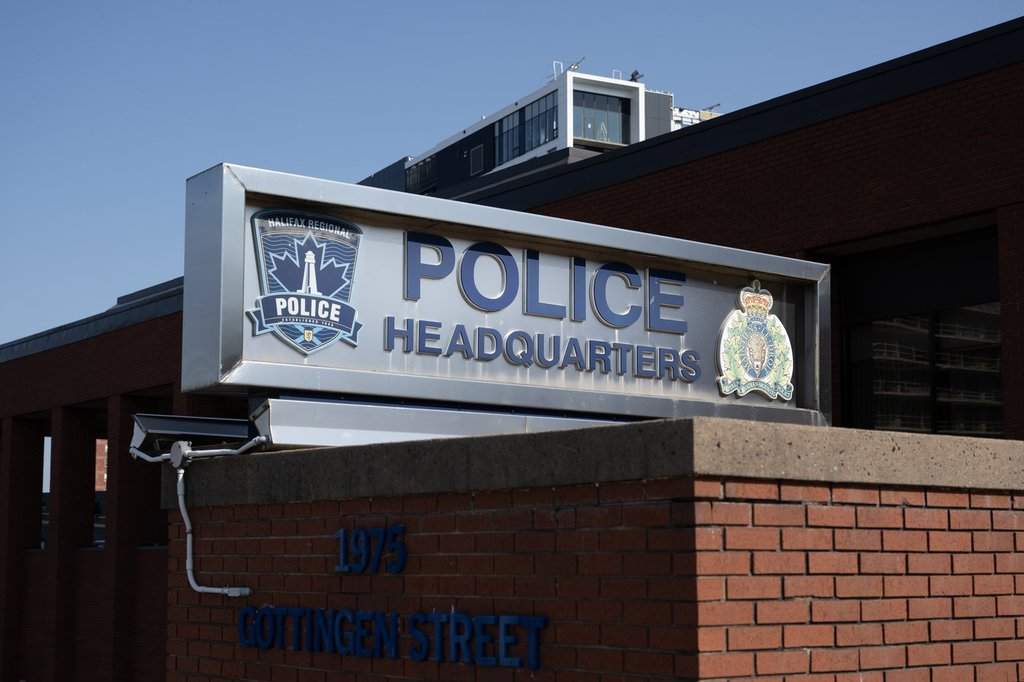
Halifax Regional Police investigated and arrested Publicover in July at a residence in Port Dufferin, roughly 100 kilometres east of Halifax. Police reported at the time that a weapon was brandished during the arrest and officers deployed a stun gun to subdue him before he was medically cleared.
Why Viral Footage and Criminal Charges Are Two Different Things
Here's the mistake people make whenever a store altercation goes viral. They watch a 30-second clip on their phone and assume the legal outcome is already settled. It isn't.
In court, a video doesn't speak for itself. A judge has to weigh context, audio clarity, witness testimony, intent, and exact statutory wording. Crown prosecutor Jeremy Ryant told CBC News that he wouldn't comment on the video's contents ahead of trial, noting his job is to present evidence so the court can decide what happened. That restraint matters. Public outrage online and admissible proof in a courtroom operate on completely different rules.
Publicover faces eight charges tied to the Costco incident, including inciting hatred against an identifiable group and two counts of assault, alongside five separate charges connected to the Port Dufferin arrest such as uttering threats, resisting a peace officer, and possessing a weapon dangerous to public peace. Worth noting too: earlier news reports around July and September reflected evolving charging details as prosecutors refined the file, which happens routinely in complex criminal cases.
How Canadian Hate Speech Law Sets a High Bar
Many readers assume shouting racist insults in public automatically equals a hate-propaganda conviction under Canada's Criminal Code. That's not how the law works.
Under Section 319(1) of the Criminal Code, as outlined in Justice Canada research, communicating statements in a public place that incite hatred against an identifiable group has a specific legal threshold—including a requirement tied to a likely breach of the peace. Meanwhile, offensive or bigoted speech on its own can be deeply harmful without meeting every statutory element of a crime. That distinction is exactly why defence counsel can contest specific counts even when bystanders recorded harsh words.
What about the assault and threat allegations? Those turn on physical contact, fear of harm, and credibility in the witness box. A shouting match and a criminal assault aren't legally identical, and defence lawyers look closely at framing, angle, and whether camera movement distorts what happened right before the recording started.
What Bystanders and Witnesses Get Wrong in Retail Conflicts
Having covered court coverage and public-order disputes for years, I see the same pattern play out in big-box aisles and parking lots. Someone pulls out a phone because tensions are flaring. That impulse can help document misconduct, sure. Yet rushing closer to film can also escalate a volatile situation or put the person holding the phone right in the middle of a physical scuffle.
In the Halifax case, reporting indicated that someone recording the video appeared to be struck as the confrontation turned toward the camera before the footage cut out. You don't need legal training to see why filming at arm's length is risky when tempers are already boiling over.
Practical Next Steps If You Witness or Experience a Public Incident
If you ever find yourself near a hostile or racially charged confrontation in a store or public space, keep your priorities straight:
- Prioritize distance first. Don't step into a physical argument just to get a better angle on your phone. Keep space between yourself and anyone acting aggressively.
- Alert store staff or security immediately. Big-box retailers have managers, loss-prevention teams, and security cameras that can intervene and preserve store footage.
- Report to police promptly. Halifax Regional Municipality advises reporting offensive, threatening, or intimidating behaviour to police so an official record exists even if charges aren't immediately obvious.
- Preserve clean details without over-editing. If you captured video safely from a distance, keep the original file intact rather than cropping or reposting with speculative captions before police review it.
- Follow the trial record, not rumours. Once a matter enters provincial court, formal evidence—not social media threads—determines guilt or acquittal. With a three-day trial anticipated after next week's scheduling appearance, the courtroom record will tell the full legal story.