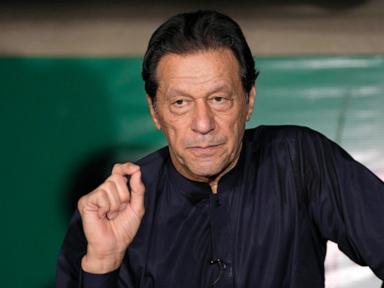
Imran Khan isn't playing political theater anymore. From inside Adiala Jail, Pakistan's imprisoned former prime minister has thrown down a stark gauntlet, writing directly to the country's top justices to demand basic medical attention before it's too late.
If you've been following Pakistani politics, you know the routine. Accusations fly, the government denies everything, and supporters take to the streets. But this handwritten appeal cuts through the noise. Khan is explicitly warning that he may not survive behind bars unless court-ordered medical directives are actually honored.
The Battle Over Prison Healthcare
The core dispute boils down to a fundamental clash between judicial mandates and state execution. Back in August, the Supreme Court ordered that Khan be transferred immediately to Shifa International Hospital in Islamabad for a thorough evaluation by an independent medical board.
That transfer happened briefly, sparking massive security lockdowns and widespread media attention. Yet, within hours, authorities whisked him back to prison, claiming doctors had cleared him. Khan's legal team and his Pakistan Tehreek-e-Insaf (PTI) party argue the opposite. They maintain that crucial diagnostic orders were ignored and that his ongoing health issues—including severe eye complications that his lawyers previously claimed resulted in massive vision loss in his right eye—remain dangerously unmanaged.
The government of Prime Minister Shehbaz Sharif pushes back hard against these narratives. Officials insist Khan is treated like any other convicted prisoner serving sentences handed down through legal proceedings. They point out that he has received hundreds of visitor interactions and has access to prison medical staff. But for Khan and his supporters, prison-approved doctors aren't enough when dealing with specialized health threats.
Why This Letter Shifts the Dynamic
Writing straight to the Supreme Court changes the tactical landscape. This isn't just another soundbite released through a family member or a defense attorney. It is a direct, formal escalation.
"I will only remain able to prove my innocence if I stay alive," Khan wrote, framing his request around basic human compassion rather than political leniency. Legal experts note this distinction matters. He isn't asking for a pardon or a deal; he's demanding that the state follow its own established legal and humanitarian framework.
Yet, skepticism runs deep across Islamabad and Lahore. Previous high-court rulings regarding visitation rights and specialized care have faced repeated bottlenecks or selective compliance. When executive enforcement agencies and the judiciary pull in opposite directions, court orders often stall out in bureaucratic limbo.
The Broader Fallout
You can't separate Khan's medical crisis from the wider instability shaking Pakistan. His detention since 2023 has triggered continuous waves of civil unrest, provincial political takeovers, and intense crackdowns on opposition figures. International figures and human rights advocates have repeatedly questioned the transparency of his trials and the conditions of his confinement.
When a former head of state warns that his life is on the line over denied medical access, the stakes instantly multiply. It ratchets up pressure on the judiciary to prove it still holds independent authority over the prison system.
The ball now sits squarely in the court of Pakistan's highest legal authorities. Whether they choose to enforce their own medical directives or let state stonewalling stand will determine not just Khan's personal fate, but the remaining credibility of the country's legal checks and balances.


