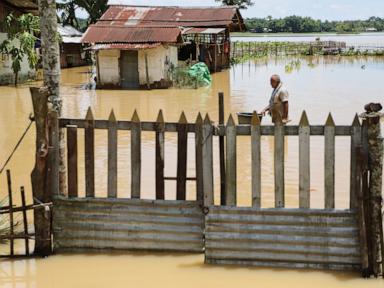
Heavy monsoon rains in northeastern India have pushed the Brahmaputra River far past its limits, leaving at least 50 people dead and displacing around 700,000 residents across the state of Assam. Millions across the region are grappling with submerged homes, power grid failures, and washed-out roads. While annual monsoon rains feed agriculture across South Asia, the scale of destruction in 2026 highlights a systemic vulnerability that regular seasonal updates often gloss over.
If you are looking at the headlines, the numbers tell part of the story. Nearly 900 villages lie underwater, leaving over 7,000 households without electricity. In the state capital of Guwahati, waist-deep water stranded commuters overnight in offices and vehicles. Emergency crews, local volunteers, and disaster management personnel are running round-the-clock rescue ops, dropping food packets from helicopters to families trapped on rooftops. But beyond the immediate emergency, this crisis reveals deeper issues about regional infrastructure, changing weather patterns, and why traditional flood management isn't working anymore.
The Brahmaputra Problem and Why Riverbanks Fall Apart
The Brahmaputra River isn't an ordinary waterway. Originating in Tibet and flowing nearly 560 miles through Assam, it carries vast amounts of sediment washed down from the Himalayas. During peak monsoon months, that heavy sediment settles along the riverbed, raising the water floor and drastically reducing how much volume the channel can carry.
When sudden downpours hit, the river has nowhere to go but outward. Earth embankments built decades ago to hold back floodwaters frequently fail under the sheer pressure.
- Sediment Build-Up: Silt accumulation raises the riverbed annually, making floods higher even with normal rainfall volumes.
- Aging Embankments: Hundreds of kilometers of mud-and-bamboo dykes constructed in the mid-20th century are decaying and susceptible to sudden breaches.
- Unplanned Urban Expansion: Rapid building in natural drainage basins prevents rainwater from escaping quickly, locking water inside major hubs like Guwahati.
When an embankment gives way, entire villages wake up to walls of mud and water within minutes. Farmers lose livestock, stored food reserves, and crops in a single morning.
Human Factors Making Monsoon Damage More Severe
Attributing the damage solely to natural weather cycles ignores major structural failures on the ground. Decades of heavy deforestation along river catchment areas have stripped away the natural tree canopy that usually absorbs heavy rain. Without tree roots holding topsoil together, rainwater rushes directly into streams, bringing tons of extra mud down into the valley.
Urban planning choices worsen the impact. In cities like Guwahati, natural wetlands that used to act as natural sponge basins have been filled in for residential and commercial development. When high rainfall events occur, water sits in streets for days because storm drains are clogged or simply non-existent.
Local accounts from hit districts highlight how quickly routine life turns into a survival scenario. Farmers in Nazira reported losing their entire herds of cattle alongside their bamboo homes within hours. When essential assets disappear in an instant, long-term financial recovery becomes nearly impossible without sustained state support.
How Local Emergency Teams Handle Massive Evacuations
Relief operations in northeastern India face steep logistical hurdles during heavy flood events. When highways wash out and local roads turn into rivers, air logistics remain the only fast way to deliver water, food, and medical kits.
- Air-Dropping Essentials: Helicopters deploy ration packs and water purification tablets directly to isolated rural pockets.
- Relief Camps: Government facilities, schools, and temporary tents now house roughly 300,000 displaced residents, providing basic meals and medical care.
- Rescue Boats: State Disaster Response Force personnel utilize inflatable motorized boats to pull families off stranded roofs and elevated bridges.
Despite these efforts, managing sanitary conditions in overcrowded shelters presents a secondary threat. Outbreaks of waterborne illnesses like cholera and dysentery frequently follow major flood events when clean drinking water runs short.
Breaking the Cycle of Destruction
Fixing recurring flood damage in Assam requires shifting away from temporary patches toward long-term civil engineering solutions. Relying on makeshift mud embankments every single year guarantees repeating the same destruction over and over.
Dredging the Brahmaputra to clean out accumulated silt can restore original channel capacity. Combining dredging with modern concrete river wall construction gives local communities actual protection when water levels spike. Expanding protected wetland zones around major towns will also restore natural drainage pathways, letting stormwater flow out without swamping residential areas.
Emergency preparation at the household level matters just as much. Early warning systems connected directly to mobile networks can give families critical hours to evacuate safely with valuable documents, medication, and livestock before floodwaters reach their doorstep.
For those looking to support relief efforts directly, donating to verified humanitarian agencies operating on the ground—such as local disaster response funds and international relief groups—provides immediate aid, clean water, and medical aid to displaced families in need.