A celebration turned into an absolute nightmare on Indonesia's main island of Java. On Sunday afternoon, thirteen people lost their lives when an open-bed pickup truck packed with wedding guests got crushed between two massive commercial trucks. It's the kind of tragedy that makes headlines globally, but if you look closely at local transit habits, this wasn't an isolated stroke of bad luck. It's a systemic failure.
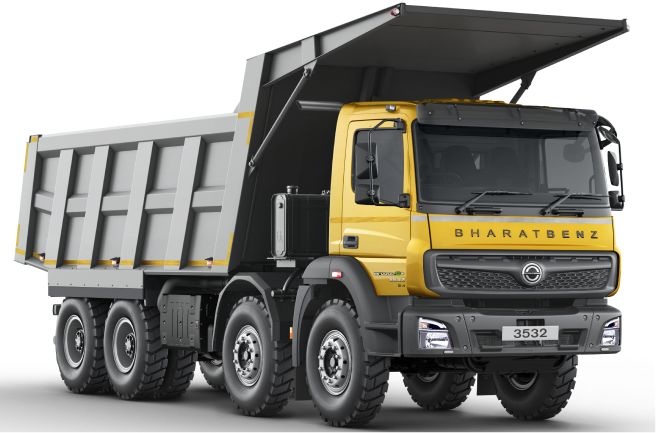
The group was heading home after attending a wedding in Parean, a neighboring village in the Indramayu regency. They were traveling down the infamous northern coastal highway, locally known as Pantura. When their driver slowed down near a median opening to make a U-turn, a massive wing-box truck slammed into them from behind. The impact was violent. It shoved the lightweight pickup directly into oncoming traffic in the opposite lane, where a second truck smashed into it.
More than a dozen passengers were violently thrown onto the asphalt. Thirteen died, and five others are still fighting for their lives in nearby hospitals like Bhayangkara Losarang and Mitra Plumbon Widasari.
The Dangerous Reality of Open Bed Transport
Local traffic police chief Undang Syarif Hidayat confirmed the mechanics of the crash, but the underlying issue goes way deeper than a simple failure to brake. The victims were riding in an open-bed Daihatsu Gran Max pickup. If you've ever traveled through rural Southeast Asia, you know this scene well. It's cheap, it's culturally normal, and it's incredibly dangerous.
Using cargo pickups to haul groups of people to social events like weddings, funerals, or religious festivals is a widespread practice. These vehicles lack basic safety features like seatbelts, crumple zones, or side protection for passengers. When a vehicle like a wing-box truck hits an open pickup, the passengers don't stand a chance. They basically become projectiles.
Why U-Turns on the Pantura Highway are Lethal
The Pantura highway is the economic backbone of Java, carrying a relentless flow of heavy cargo trucks, intercity buses, and millions of motorcycles. It's built for speed and volume, yet it constantly intersects with local village life.
The fatal error in this crash happened at a median opening. On Indonesian highways, these illegal or poorly designed U-turn points force slow-moving vehicles to cut directly across lanes where heavy trucks are traveling at high speeds.
- Lack of deceleration lanes: Vehicles must slow down drastically in the fast lane just to prepare for a turn.
- Blind spots for heavy trucks: A massive, overloaded wing-box truck cannot stop on a dime when a small pickup suddenly brakes in front of it.
- Two-way exposure: Getting pushed into the opposite lane means facing head-on collisions with traffic moving at maximum highway speeds.
The Cultural Normalization of Transport Risks
Indonesia faces thousands of traffic fatalities every year. The government routinely points to overloaded vehicles and poor compliance with regulations, but enforcement is notoriously weak. Cargo trucks frequently carry weight far beyond legal limits to maximize profit, ruining their braking capacity.
At the same time, rural communities accept the risks of riding in cargo beds because options are limited. Public transit in these regions doesn't cater to large groups traveling between small villages. Renting a proper passenger bus costs money that many families simply don't have. So, they load up the back of a family member's work truck, hoping for the best.
Immediate Steps for Safer Regional Travel
If you are traveling in rural regions or planning group transit in developing infrastructure zones, you need to minimize reliance on informal transport.
Budget for designated passenger vehicles instead of relying on open cargo beds. Avoid making U-turns across major high-speed freight corridors unless there is a dedicated, protected turning lane or traffic signal.
Insist that drivers locate official roundabouts or formal intersections, even if it adds miles to the trip. The extra time spent finding a safe crossing is nothing compared to the risk of stopping dead in the fast lane of a major trucking highway.


