You think you’re doing everything right. You’re eating clean, hitting the local grocery store for fresh greens, and tossing together a crisp summer salad. Then, a week later, it hits you. It isn’t just a mild case of standard food poisoning that clears up in twenty four hours. It’s a relentless, violent assault on your digestive system that leaves you glued to the bathroom floor for weeks.
Welcome to the reality of cyclosporiasis. This seasonal parasitic nightmare is currently tearing through the United States, leaving hundreds of people miserable. As of July 2026, a massive surge of infections has health departments on high alert, with states like Michigan seeing an explosion of over 570 cases alone. The worst part is that many victims have no idea what actually made them sick, and standard medical tests often miss the culprit entirely.
If you think washing your produce under the kitchen tap protects you from this microscopic monster, you’re dead wrong. Here’s what’s really happening behind the latest outbreaks and how to protect yourself when federal investigators are still scrambling to find the source.
The Microscopic Hitchhiker Ruining Your Summer
Cyclosporiasis is an intestinal illness caused by a single-celled parasite called Cyclospora cayetanensis. It’s not a virus, and it’s not a bacterium. It’s a complex parasite that has a bizarre lifestyle. It essentially hitches a ride on fresh produce that has been exposed to contaminated water or soil.
Most foodborne bugs like Salmonella or E. coli give you a rough day or two and then back off. Cyclospora plays a much longer, more exhausting game. Once you swallow the parasite, it burrows into the walls of your small intestine and starts multiplying. You won’t feel it immediately. The incubation period usually lasts about a week, though it can show up as early as two days or drag its feet for two weeks.
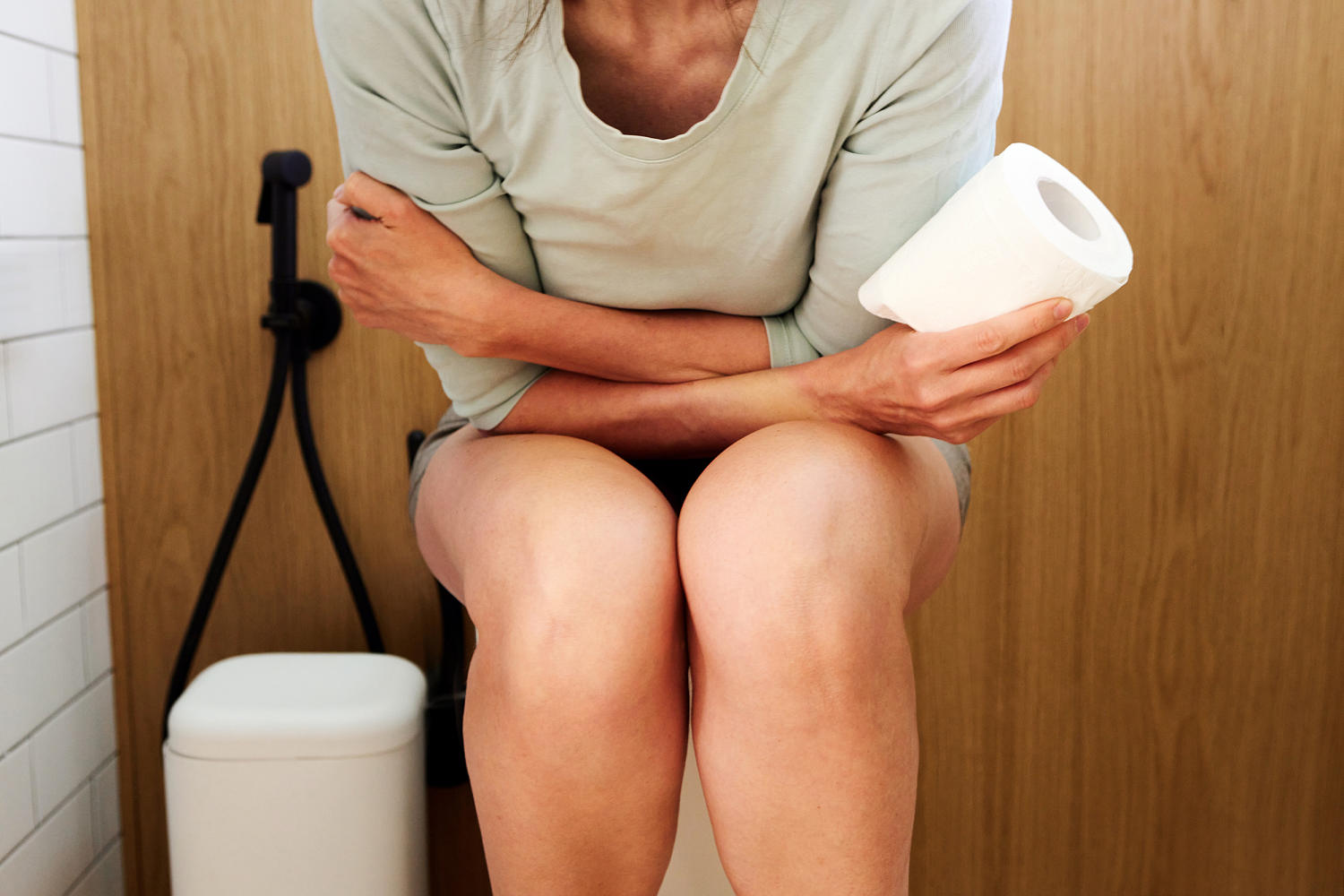
When it finally wakes up, the primary symptom is unmistakable. It’s watery, frequent, and sometimes explosive diarrhea.
People who have lived through it describe it as completely unpredictable and difficult to control. Along with the relentless trips to the bathroom, the parasite triggers severe muscle fatigue, intense stomach cramps, bloating, gas, nausea, and a complete loss of appetite. It’s not uncommon for individuals to lose significant amounts of weight simply because their bodies refuse to keep food down or absorb nutrients. Some people also develop a low-grade fever, body aches, and headaches that make them feel like they have a terrible case of the flu.
Why Your Kitchen Routine Can’t Kill It
We’ve all been told to wash our fruits and vegetables. We rinse our cilantro, soak our berries, and scrub our melons. With Cyclospora, that routine is mostly performative.
The parasite is incredibly sticky. It clings to the rough surfaces of leafy greens, the tiny crevices of raspberries, and the stems of fresh herbs. Standard chemical sanitizers, chlorine rinses, and routine vegetable washes do absolutely nothing to kill the parasite. Running tap water might dislodge a few of them if you’re lucky, but it won’t sanitize the food.
The U.S. Food and Drug Administration and the Centers for Disease Control and Prevention have tracked this bug for decades. Historically, outbreaks track back to imported fresh produce items. The list of usual suspects includes:
- Prepackaged salad kits and bagged lettuce mixes
- Fresh cilantro and basil
- Raspberries and blackberries
- Snow peas
- Green onions
When a farm uses contaminated water for irrigation or mixing pesticides, the entire crop gets coated. Because Americans love fresh salads and raw berries during the warm months, cases naturally skyrocket between May 1 and August 31. Public health officials explicitly refer to this window as cyclosporiasis season.
The Stealth Pandemic of 2026
The current 2026 outbreak season started right on cue in early May, but it quickly turned into something far more aggressive than usual. By mid-June, the CDC identified 145 domestically acquired cases spread across 17 different states. Those numbers represented just the tip of the iceberg.
By July 2026, the situation in the Midwest escalated dramatically. Michigan health officials reported a massive spike, watching their numbers balloon past 570 confirmed cases in a matter of weeks. Texas, New York, and Illinois have also reported significant clusters of illnesses.
Tracking this parasite is a logistical nightmare for federal investigators. There is no single, massive corporate recall connecting all these people yet. Instead, health agencies are dealing with multiple separate clusters of illnesses that might point to entirely different food sources or distribution centers.
The official numbers look bad, but the reality on the ground is much worse. The CDC openly admits that the true number of sick people is vastly higher than what gets reported. Many people assume they just caught a bad stomach bug, stay hydrated at home, and ride it out without ever seeing a doctor. Others go to an urgent care clinic, get the wrong test, and end up misdiagnosed.
The Medical Test Blind Spot
If you go to a doctor with severe diarrhea, they’ll probably ask for a stool sample. You’d think that settles it. It doesn’t.
Standard stool cultures check for common bacterial invaders like Campylobacter, Salmonella, and Shigella. They do not look for Cyclospora. To find this parasite, a lab technician has to perform a specific test called an ova and parasite exam, or use an advanced molecular panel like a polymerase chain reaction test that explicitly targets the parasite's DNA.
Even when doctors order the right test, the parasite can still evade detection. The microscopic eggs, known as oocysts, are shed intermittently. You might provide a sample on a day when your body isn’t actively expelling the eggs, resulting in a false negative. Because of this, experienced infectious disease specialists often demand multiple stool samples collected on different days just to confirm a single case.
If you’ve been dealing with cyclical stomach issues for more than three or four days, you need to advocate for yourself. Explicitly ask your healthcare provider to test specifically for Cyclospora. Don't assume they'll just look for it automatically.
How to Tell the Difference Between a Bug and a Parasite
It’s easy to confuse different types of stomach distress. If you eat something bad at a restaurant, you’re usually sick within hours and fine by the weekend. Parasites don't work that way.
| Feature | Typical Food Poisoning | Cyclosporiasis |
|---|---|---|
| Onset | Hours to 2 days | 2 to 14 days (Average 1 week) |
| Duration | 24 to 72 hours | Weeks to months if untreated |
| Pattern | Steady recovery | Relapsing (goes away and returns) |
| Main Threat | Short-term dehydration | Severe weight loss and chronic fatigue |
The relapsing nature of cyclosporiasis is its ultimate signature. You might feel absolutely miserable for four days, notice your symptoms start to fade, and think you’re finally out of the woods. Then, forty eight hours later, the explosive diarrhea returns with a vengeance. This exhausting cycle can repeat itself for over a month if you don’t get the proper medication.
The Right Way to Treat It
If you’re diagnosed with a bacterial infection, doctors have a massive arsenal of antibiotics to choose from. If you have a viral stomach flu, you just have to rest and drink fluids. Cyclospora requires a highly specific weapon.
The preferred treatment is a combination antibiotic called trimethoprim-sulfamethoxazole. You probably know it by brand names like Bactrim, Septra, or Cotrim. A standard course for a healthy adult typically involves taking one double-strength tablet twice a day for seven to ten days.
If you have a sulfa allergy, you’re in a tough spot. There are no highly effective, widely approved alternative antibiotics for cyclosporiasis. Some small studies suggested that an antibiotic called ciprofloxacin might have a tiny bit of activity against the parasite, but real-world medical experience shows it usually fails in people with normal immune systems. If you can’t take sulfa drugs, your doctor will likely focus on aggressive symptomatic care, checking your fluid levels, and monitoring you closely while your immune system fights a long, grueling war of attrition.
What You Need to Do Right Now
You don’t have to completely stop eating vegetables and hide in your house until September, but you do need to alter your approach to summer eating while these 2026 outbreaks are active.
First, pay close attention to local and national food recall notices. The FDA updates its traceback investigations weekly. If a specific brand of bagged salad, fresh basil, or imported berries gets flagged, throw it out immediately. Don't risk eating it.
Second, cook your food when in doubt. The Cyclospora parasite cannot survive high heat. While nobody wants to cook their salad greens, opting for cooked spinach, grilled peppers, and steamed vegetables over raw produce lowers your exposure risk during peak outbreak months.
Third, if you choose to eat raw fruits and berries, scrub them as thoroughly as possible under clean running water. Even if it doesn't kill the parasite, it can help remove loose dirt and reduce surface contamination.
Finally, track your symptoms like a hawk. If you or someone in your family develops watery diarrhea that refuses to clear up after three days, skip the over-the-counter anti-diarrheal medications. They only mask the problem and can sometimes prolong the infection. Book an appointment with a doctor, explain that you’ve been eating fresh summer produce, and demand a specific Cyclospora stool test. Catching it early means getting the right prescription before the parasite spends the next four weeks destroying your summer plans.