The ground is shifting in eastern Democratic Republic of the Congo, and not in a way anyone can control.
Right now, a major crisis is unfolding. It's not just that Ebola is killing people—it's that the virus is moving faster than our ability to track it. On July 14, 2026, the World Health Organization (WHO) dropped a chilling statistic: 80% of new Ebola cases in eastern Congo are coming from completely unknown transmission chains.
If you don't speak epidemiological jargon, let me translate that for you. It means health workers have absolutely no idea who infected the person standing in front of them. It means the virus is spreading silently, through invisible webs, in a region already devastated by war, deep-seated distrust, and a staggering lack of medical resources.
The official death toll has quietly slipped past 700. With nearly 2,000 confirmed cases and counting, this is officially the fastest-growing Ebola outbreak on the continent. And honestly, those numbers are almost certainly an undercount.
Why this isn't the Ebola we know
When most people think of Ebola, they think of the Zaire strain. That’s the monster responsible for the horrific West African epidemic a decade ago. It’s also the strain we spent millions researching, eventually developing highly effective vaccines and targeted monoclonal antibody treatments.
But this isn't that Ebola.
This outbreak is fueled by the Bundibugyo strain. It’s a rare, highly lethal variant first identified in Uganda in 2007.
Here's the problem: There is no approved vaccine for the Bundibugyo strain. There are no approved therapeutic drugs.
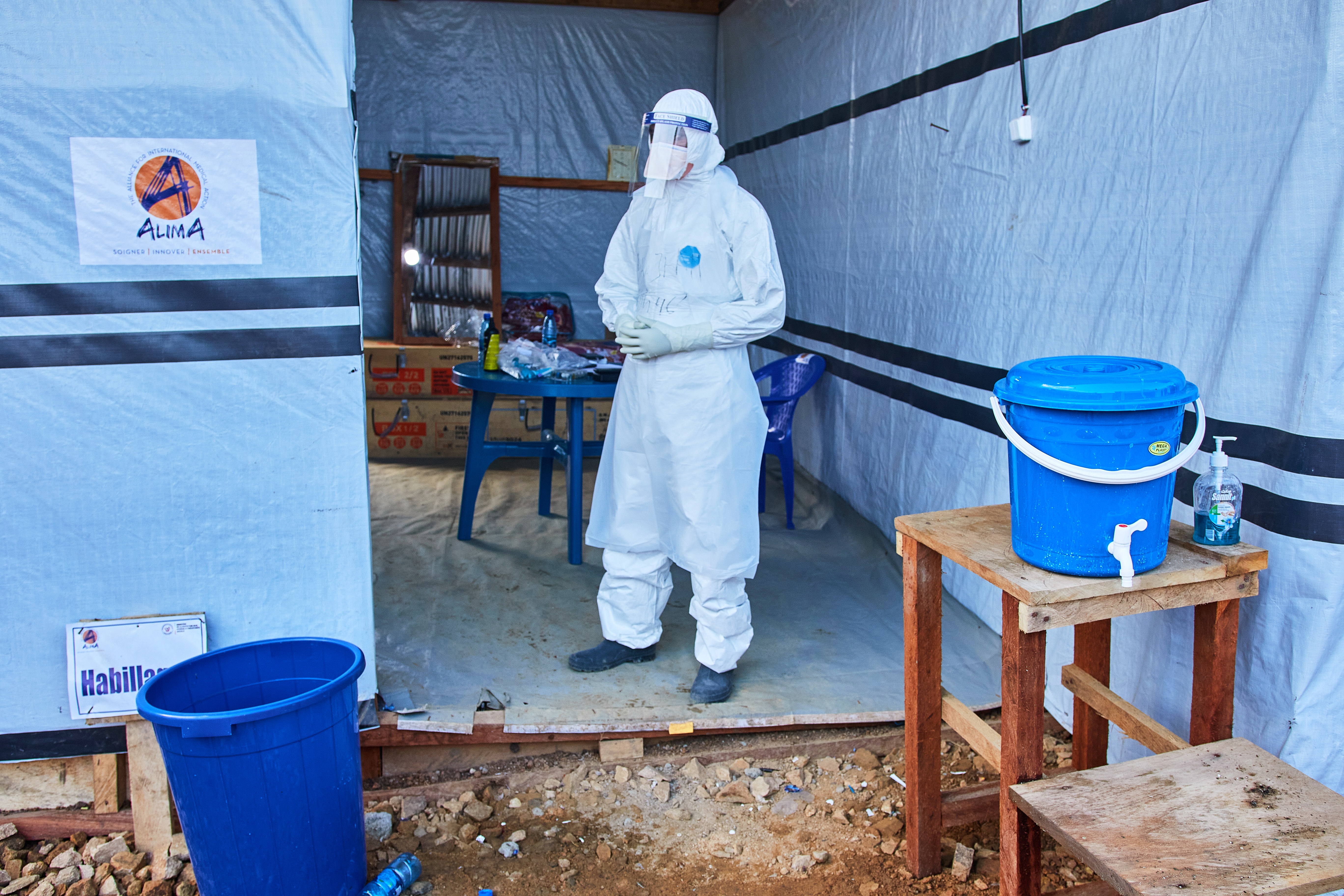
When doctors on the ground in provinces like Ituri and North Kivu isolate a patient, they can't offer a magic shot or a proven antiviral. They rely on basic supportive care: oral rehydration, managing pain, and treating secondary infections. They're fighting a 21st-century viral wildfire with 19th-century buckets of water.
Bundibugyo Ebola Outbreak (DRC Data as of July 2026):
- Confirmed Cases: 1,963
- Confirmed Deaths: 719
- Patients in Isolation: 736
- Main Hotspot: Ituri Province (1,772 cases, 608 deaths)
- Unknown Transmission Source: 80% of new cases
A perfect storm of war, rumor, and empty pockets
You can't look at a disease outbreak in a vacuum. Diseases thrive in chaos, and eastern Congo has plenty of it.
Decades of violence from armed rebel groups have displaced millions. People are constantly on the move, fleeing clashes, carrying the virus with them into crowded camps where sanitation is non-existent.
Then there’s the deep, burning anger of the local population. Why should they trust international health workers wearing space suits when those same organizations, along with their own government, have failed to protect them from massacres for years?
This boiling frustration has turned physical. Ebola treatment centers have been targeted in arson attacks. Local communities, believing the virus is a conspiracy or a money-making scheme for corrupt officials, sometimes hide their sick. To make matters worse, severe international aid cuts have stripped regional health facilities of basic personal protective equipment (PPE) and disinfectants. In some areas, local health workers have even gone on strike over unpaid wages.
When the people meant to stop the virus are underfunded, unpaid, and under attack, the virus wins. Every single time.
What is being done right now?
It's not entirely hopeless, but we need to be realistic about the timeline.
Just recently, researchers at Oxford University launched a Phase I clinical trial for a Bundibugyo vaccine candidate called ChAdOx1 BDBV. It uses the same chimpanzee adenovirus platform that gave us their COVID-19 vaccine. It’s a massive step forward, but Phase I only tests safety in a tiny group of healthy volunteers. A rollout on the ground in Congo is months, if not years, away.
On the treatment front, doctors are desperately trying experimental therapies like the antiviral remdesivir and a laboratory-made antibody mix called MBP134. But these are "compassionate use" stabs in the dark, not standard, widely available treatments.
If you want to know what actually works right now, it’s the grinding, unglamorous work of community engagement. It’s sitting down with local leaders, rebuilding trust, ensuring safe and dignified burials so families don't catch the virus from the highly infectious bodies of their loved ones, and supplying basic soap and clean water.
What needs to happen next
We cannot afford to look away from eastern Congo. What starts in a remote forest in Ituri can easily end up in a global transit hub. We've already seen imported cases reach Uganda, and medically evacuated patients land in Europe.
If we want to stop this outbreak, the global community has to act immediately:
- Fund the basics: International donors must immediately reverse the aid cuts that have left frontline Congolese clinics without basic gloves, masks, and chlorine water.
- Prioritize local workers: Instead of relying solely on heavy-handed international interventions, we need to fund and protect local Congolese epidemiologists and community leaders who actually hold the trust of their neighborhoods.
- Fast-track clinical trials: Regulatory agencies and vaccine manufacturers must treat the Bundibugyo clinical trials with the same urgency we saw during the pandemic.
This isn't just Congo's fight. If 80% of the transmission chain remains in the dark, we are all walking blindly into a much larger emergency.