Baghdad sits on a geopolitical tightrope. One misstep on its frontier with Iran, and the pressure from Tehran or Washington could snap everything in half.
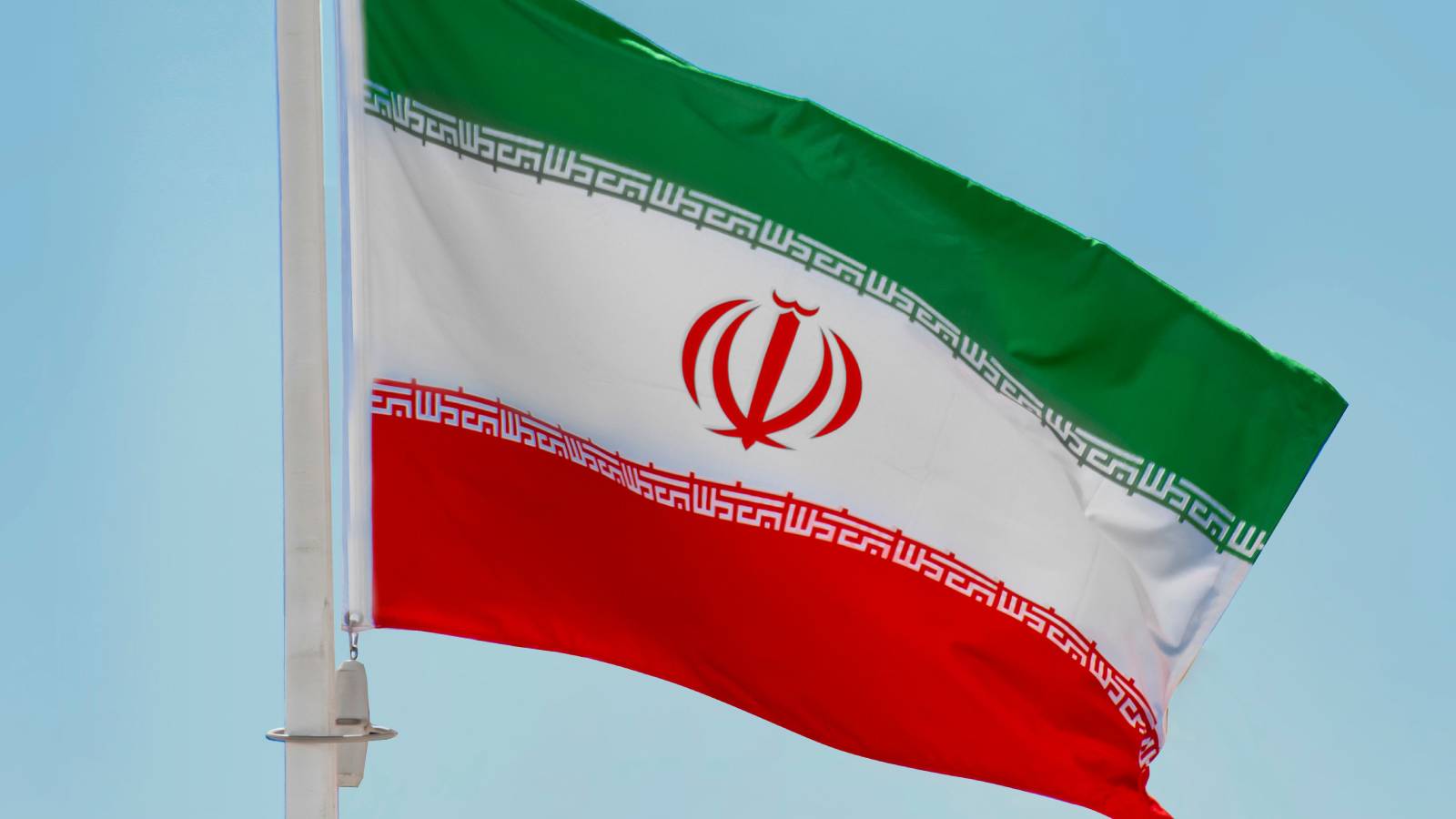
When Iran warns Iraq against acting as an instrument for Donald Trump during a border crackdown, that isn't routine diplomatic noise. It's a blunt signal about sovereignty, militia influence, and who actually sets the rules along one of the most sensitive fault lines in the Middle East. Honestly, anyone watching Iraqi politics knows how thin the margin for error is when Baghdad tries to please two rivals at once. Also making headlines recently: Why Victorian Labor Just Suffered The Collapse Of A Political Dynasty.
I wasn't able to open the specific Al Jazeera link directly because the page restricted automated access, so I'm building this analysis around the core topic referenced in the headline and established regional dynamics rather than claiming to quote a page I couldn't read. If you have the full text of that piece and want to paste it here, I can tailor a follow-up directly to every line in it.
Why Border Crackdowns Trigger Sharp Warnings From Iran
Borders sound like simple lines on a map. They rarely work that way in this part of the world. Additional insights into this topic are detailed by TIME.
Along the frontier between Iran and Iraq, security isn't just about customs posts, patrols, or smuggling routes. It's tied to cross-border trade, sectarian politics, Kurdish autonomy zones, and armed factions that operate outside standard state chains of command. When Baghdad tightens border controls or responds to Washington's pressure on security and smuggling, Tehran reads that move through a strategic lens.
From Tehran's perspective, a crackdown that aligns with U.S. priorities risks turning Iraqi territory into a pressure point against Iran. Even when Iraqi officials frame border enforcement as routine state sovereignty, Iranian leaders often view U.S.-backed security demands as an attempt to box Iran in economically or militarily.
That creates a classic trap for Baghdad. Ignore Washington, and Iraq risks sanctions, diplomatic friction, or strained security ties. Move too hard in ways Tehran views as serving Trump's agenda, and Iraq faces political pushback at home plus direct heat from across the border.
Security Enforcement Versus Political Leverage
In theory, policing a border is basic statecraft. In practice, every checkpoint carries political weight.
Smuggling networks, fuel transfers, currency flows, and armed movements frequently intersect along porous stretches of the Iran-Iraq border. When Washington presses Baghdad to crack down on illicit activity or Iranian influence, Iraqi leaders have to decide whether a measure looks like independent governance or external alignment.
Iran's warning cuts right to that perception. By calling out the risk of Iraq becoming a foreign power's instrument, Tehran isn't just scolding Baghdad. It's reminding Iraqi factions, lawmakers, and cabinet ministers that domestic coalitions can shift fast if a policy looks like it hands Washington a win.
Iraq's Balancing Act Between Washington and Tehran
Baghdad has played this two-front game for years. It's exhausting, messy, and rarely neat.
Iraqi governments rely on complex parliamentary arithmetic where Shia political parties, Sunni blocs, and Kurdish factions all hold veto power or bargaining chips. Many influential groups inside Iraq maintain deep historical, religious, or operational ties to Iran, even as the Iraqi state maintains diplomatic and security ties with the United States.
At the same time, Iraq has its own economic and institutional interests. Baghdad needs functional banking links, regional trade corridors, electricity and gas stability, and calm relations with neighbors so domestic reconstruction doesn't stall.
What Baghdad Tries to Project
- Sovereignty first: Officials in Baghdad typically argue that border security and law enforcement serve Iraqi stability rather than any outside capital.
- Controlled escalation: Iraqi leaders usually try to lower temperatures quietly instead of picking public fights with either Washington or Tehran.
- Institutional survival: Keeping coalitions intact matters more day to day than winning ideological arguments abroad.
Still, slogans about neutrality only go so far when outside powers demand concrete action. A border patrol doesn't care about diplomatic nuance once tension rises on the ground.
What Most Analysts Miss About Frontier Politics
People outside the region often treat Iraq as a passive chessboard where Washington and Iran move pieces around. That view misses half the story.
Iraqi actors aren't just pawns. Plenty of politicians, local commanders, merchants, and tribal figures use the U.S.-Iran rivalry to protect their own turf, budgets, or political leverage. Sometimes a crackdown is real. Sometimes it's performative. And sometimes local turf wars get dressed up as grand geopolitical strategy.
Also, border enforcement on paper isn't the same as control on the ground. Rough terrain, overlapping security forces, and informal economic networks mean announcements from a capital city don't automatically translate into overnight change along hundreds of miles of frontier.
I've seen plenty of observers assume a tough statement from Tehran or Washington immediately rewrites reality on the ground. Usually, the real friction plays out more slowly—through customs delays, backchannel meetings, political bargaining in Baghdad, and quiet pressure on local officials.
Key Questions Readers Usually Ask Next
Does a warning from Iran mean immediate military action?
Not necessarily. Warnings like this serve multiple purposes at once: deterring policy shifts, signaling red lines to allies inside Iraq, and projecting strength to domestic and regional audiences. Escalation can happen, sure, but rhetoric is often an early warning shot rather than a guaranteed prelude to fighting.
Why does Washington care so much about border enforcement here?
For the U.S., border dynamics around Iran connect directly to broader regional containment, sanctions enforcement, counter-smuggling efforts, and protecting U.S. personnel and partners in the region. Under Trump, pressure tactics tend to emphasize maximum leverage and visible compliance, which puts extra strain on countries caught in the middle.
How does this affect everyday life in Iraq?
When border tensions rise, ordinary people feel it in practical ways before they ever care about diplomatic phrasing. Trade slows down, prices on certain goods can bounce around, travel gets trickier, and political gridlock in Baghdad can delay basic services or budget approvals.
Practical Ways to Track How This Story Develops
If you're following this situation closely—whether for work, research, or general awareness—don't rely on single headlines alone.
- Watch Iraqi official statements side by side: Compare what Baghdad says publicly about sovereignty and border security with how different Iraqi political blocs react.
- Track economic and trade signals: Pay attention to customs updates, cross-border commerce reports, and currency or banking news, which often reveal real pressure faster than speeches do.
- Separate rhetoric from ground reporting: Look for verified reporting from credible regional and international outlets on actual troop movements, border closures, or policy changes rather than assuming every warning becomes action.
- Keep historical context in mind: Remember that U.S.-Iran friction over Iraq has cycled through peaks and lulls for years, so look for what actually changed structurally this time.