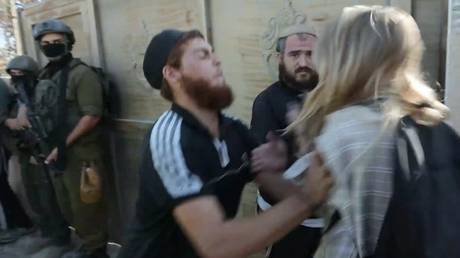
Journalism in conflict zones has always carried risks, but covering the occupied West Bank has shifted into an entirely different category of hazard. When Spanish reporter Laura de Chiclana found herself targeted and assaulted by a group of Israeli settlers while filming a report on violence against Palestinians, it wasn't an isolated incident. It was part of a relentless, escalating pattern targeting media workers in the region.
If you've been following international reports out of the West Bank, you know the atmosphere on the ground is toxic. Settler violence has surged dramatically, turning olive groves, rural villages, and reporting routes into hostile territory. Press credentials used to offer a thin shield of operational safety. Today, cameras and press vests often act as neon signs drawing hostility from extremist groups operating with near-total impunity.
Let's look at the facts. According to groups like the Committee to Protect Journalists and the International Federation of Journalists, dozens of media workers have faced direct assaults, detained equipment, smashed vehicles, and physical beatings while covering routine events like the annual olive harvest. Veteran photojournalists like Heidi Levine have spoken out publicly after being brutally injured by militant settlers, noting that even decades of frontline experience haven't prepared reporters for the current climate of unchecked aggression.
Why are journalists being targeted so aggressively? Simple. Perpetrators of rural violence don't want witnesses. Documenting land seizures, attacks on farmers, and the destruction of centuries-old agricultural heritage exposes a reality that many prefer to keep hidden from global screens. When reporters like de Chiclana roll cameras on these confrontations, they disrupt a calculated narrative of denial.
The impunity is staggering. Independent rights organizations point out that very few aggressive settlers face formal prosecution or arrest. Even when high-profile international and local journalists sustain broken bones, skull fractures, or camera destruction on camera, accountability from local authorities remains rare. Watchdog reports indicate that police investigations often stall or fail to materialize entirely, leaving reporters to fend for themselves.
Stopping to think about the broader picture reveals an alarming truth about press freedom in occupied territories. When the media is beaten back, the story doesn't disappear—it just gets harder to tell. Reporting from these frontlines requires immense personal grit. Journalists keep returning not because the job is safe, but because silence serves the aggressors.
Support independent field reporting by sharing verified accounts from accredited journalists on the ground. Demand accountability from international press bodies when safety protocols fail media workers in high-risk zones.