KMT challenger Ko Chih-en falls short as DPP retains Kaohsiung stronghold once again, even after she spent four years building name recognition and pushing into southern turf. On November 28, 2026, Democratic Progressive Party lawmaker Lai Jui-lung claimed victory to succeed outgoing two-term Mayor Chen Chi-mai, keeping Taiwan's southern port city in DPP hands.
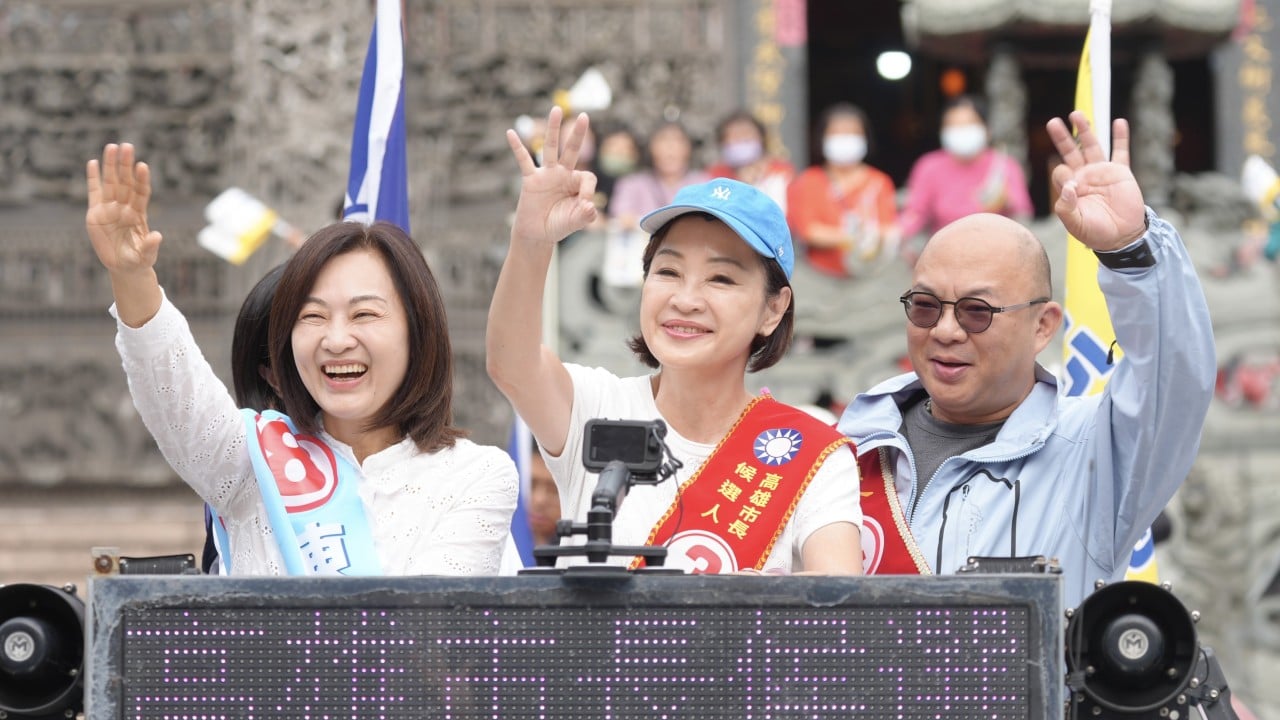
Breaking news wire stories usually treat a southern mayoral loss as business as usual. That shorthand misses what actually happened on the ground in Kaohsiung. Ko didn't run a slapdash campaign this time. She already knew the city from her 2022 race against Chen, held a legislative seat, and took her closing rally straight into Cianjhen District near Dream Mall instead of hiding in safer pockets. Yet when vote counting began late Saturday afternoon, Lai pulled ahead early and held the upper hand.
If you've watched Taiwanese local elections over the past decade, you know Kaohsiung isn't just another municipality. It's a barometer of southern identity, industrial reinvention, and party machinery. Let's look closely at why Ko came up short, what Lai ran on, and what this result signals heading toward 2028.
Why Kaohsiung Remains a Tough Climb for the KMT
Winning Kaohsiung as a Kuomintang candidate requires clearing a structural hurdle that goes far beyond a single campaign cycle. Since direct mayoral elections began in 1994, only two KMT candidates have captured the top job—Wu Den-yih and Han Kuo-yu. Most years, the southern electorate tilts heavily toward the DPP, especially when local incumbents or familiar party figures tie themselves to visible city projects.
In 2022, Chen Chi-mai beat Ko decisively, taking 766,147 votes (58.10 percent) to Ko's 529,607 votes (40.16 percent). Four years later, Ko boosted her raw vote total compared with her 2022 run, with counting-night tallies showing her climbing well above half a million ballots while Lai crossed the 500,000-vote mark early and pushed past 770,000 votes in press-time tallies near 52.9 percent.
Growing your raw vote count in a second run feels good in a concession speech. Honestly, though, closing a roughly 18-point gap in a major special municipality takes more than persistence. It takes persuading swing voters and low-propensity southern households that a change at City Hall won't stall projects already moving.
Two Very Different Pitches for the City's Future
Watch how the two front-runners framed Kaohsiung's next four years and you see the real contrast:
- Continuity and high-tech industrial scale: Lai Jui-lung leaned hard into building on Chen Chi-mai's foundation. A three-term legislator with past experience leading Kaohsiung's Marine Bureau and Information Bureau, Lai pitched an AI computing center, a semiconductor packaging and testing hub, faster metro extensions, a round-the-clock offshore airport concept, and stronger childcare and elderly care.
- Balanced growth and pocketbook relief: Ko Chih-en focused on narrowing the gap between urban and rural districts, upgrading road and air links, raising wages to keep young workers from leaving, and modernizing traditional industries through technology.
Notice what was mostly missing from the front-line pitch in Kaohsiung. Across Taiwan's 2026 local races, voters cared far more about local governance, transport, housing, wages, and everyday livability than cross-strait grandstanding. Local mayors don't set Beijing policy anyway. Voters judge them on whether buses and trains show up, whether factories and tech firms hire, and whether outlying districts feel forgotten.
What Breaking News Often Misses About This Race
One mistake outside observers make is treating every southern loss as proof that the KMT is completely locked out of Taiwan's local politics. That's lazy analysis. The November 28 vote showed a much messier map across the island: the KMT kept northern strongholds like Taipei and Taoyuan, while the DPP held Kaohsiung and Tainan and also claimed flips or wins elsewhere, including Taichung and Hsinchu County. Meanwhile, a separate nuclear power referendum drew heavy attention and cleared its threshold in counting-night tallies.
Another detail worth noting is timing and verification. On election night in Taiwan, news outlets and candidate camps announce results as tallies roll in from polling stations after 4 p.m., while the Central Election Commission (CEC) handles formal official confirmation. If you're tracking exact final percentages or district-level breakdowns, treat early evening wire figures as preliminary until the CEC publishes final certified counts.
Also, don't assume a mayoral candidate's personal background automatically translates into local executive momentum. Ko brought academic credentials in educational psychology and counseling plus legislative visibility, yet Lai had both national legislative seasoning and prior municipal bureau leadership in Kaohsiung. In a city proud of its industrial reinvention from heavy manufacturing toward tech and port logistics, voters often reward administrators they view as plugged into the existing development pipeline.
What This Means for 2028 and Beyond
Midterm local elections in Taiwan always get read through a 2028 lens, sometimes too breathlessly. Still, keeping Kaohsiung gives the DPP a vital southern anchor midway through President Lai Ching-te's four-year term. If Lai Jui-lung delivers on metro expansion, industrial investment, and elder/childcare services, the party can point to tangible southern results when national campaigning heats up.
For Ko Chih-en and the KMT, the takeaway is sharper. Lifting her vote total from 2022 shows she isn't a one-and-done paper challenger. Getting over the finish line in Kaohsiung, though, requires cracking deeper into southern turnout and convincing voters that her rural-urban balance and wage pitch are safer bets than sticking with the ruling party's economic playbook.
Practical Next Steps If You're Following Taiwan Politics
If you want to go deeper than quick headlines without getting lost in partisan spin, do three things:
- Check official CEC tallies rather than early evening wire totals: Wait for Central Election Commission final announcements to compare exact vote shares, turnout, and invalid ballots across Kaohsiung's districts.
- Track execution on specific Kaohsiung infrastructure pledges: Watch how fast metro extensions move, how semiconductor and AI investments materialize, and whether rural-urban service gaps narrow under the incoming administration.
- Read multiple local English and Mandarin outlets together: Pair outlets like Focus Taiwan and Taipei Times with broader regional reporting so you see both local municipal details and island-wide political context.