A roof collapse at a tutoring centre in Lahore, Pakistan, has left at least 14 children dead. It’s the kind of headline that stops you cold, but for those tracking South Asian infrastructure, it’s a film we’ve seen way too many times. This wasn't some unpredictable act of God. It was a failure of basic oversight, greed, and a completely unregulated parallel education market.
When an old structure gives way under the weight of illegal, ongoing construction while classrooms are full, it’s a systemic failure. The tragedy in the Basti Eid Gah neighborhood of Kahna Nau highlights a massive safety gap that puts millions of Pakistani schoolchildren at risk every single day.
What Happened in Kahna Nau
On Tuesday afternoon, dozens of young students crammed into a private, unregistered tutoring centre operating out of a residential building. Most of these kids were between 5 and 16 years old, with the vast majority under the age of 9. They were there for after-school help, a standard routine for families trying to give their children an edge in a highly competitive academic environment.
While the children studied below, laborers worked on the roof. According to witness statements provided to local authorities, workers were repairing tiles and adding an unfinished second floor to the aging building. The structure couldn't take the weight. The roof caved in, trapping around 20 people beneath tons of concrete, dirt, and brick.
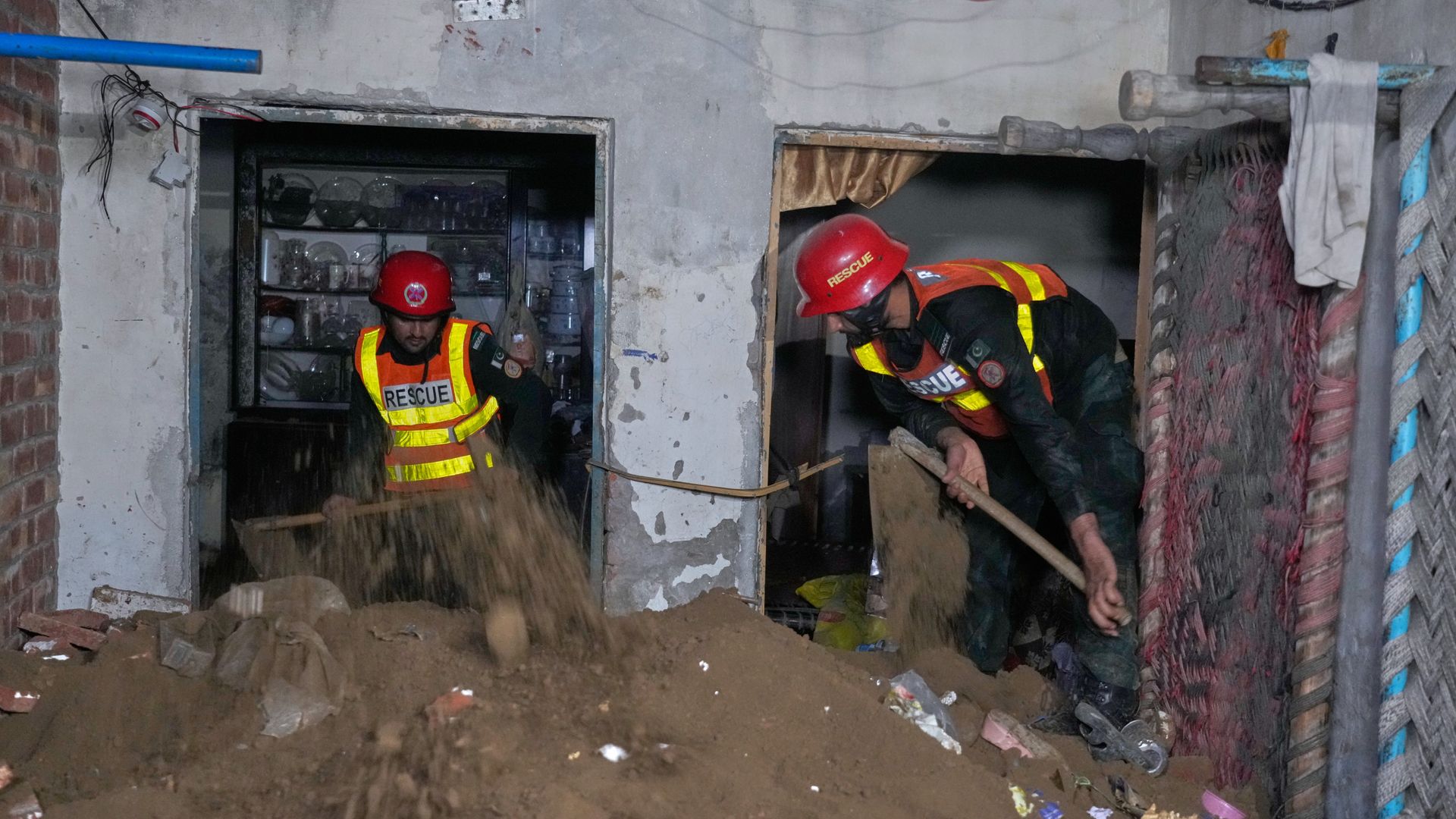
Rescuers from Rescue 1122, alongside local residents using their bare hands and shovels, frantically dug through the rubble. By the time the dust settled, 14 children were dead. A 30-year-old female teacher and eight other children were pulled from the wreckage with severe injuries and rushed to Lahore General Hospital, where several remain in critical condition.
The Dark Reality of Unregistered Tuition Centres
You might wonder why parents send their kids to these makeshift facilities instead of formal schools. The public education system in Pakistan faces immense pressure, leading to overcrowded classrooms and low test scores. To fill the gap, a multi-million dollar shadow education sector has exploded across the country.
These private academy spaces operate in a total legal vacuum. Punjab Information Minister Azma Bokhari confirmed that the Kahna Nau facility was entirely unregistered, functioning out of a dilapidated private home.
- Zero safety checks: Because these academies aren't registered with local education authorities, they never undergo structural integrity inspections.
- Residential hazards: Landlords routinely convert weak, residential rooms into packed commercial classrooms to maximize rent.
- No emergency exits: Most of these buildings are tucked away in narrow, congested alleys where emergency vehicles can barely pass.
Lahore Police have already arrested two individuals, including the property owner and the construction contractor. But pinning this on just two people ignores the broader issue. The state has allowed these informal schools to pop up on every street corner without enforcing a single building code.
Why Pakistan's Buildings Keep Falling Down
This isn't an isolated incident. Just last year in Karachi's Lyari district, a five-storey building collapsed, killing 27 people. The structural issues plaguing Pakistan are systemic, driven by a deadly mix of corruption, cheap materials, and zero enforcement.
Common Structural Flaws in Pakistani Residential Conversions:
1. Substandard cement-to-sand ratios to cut material costs
2. Adding vertical floors onto foundations meant for single-story homes
3. Corroded steel rebar exposed to moisture and monsoon rains
4. Excessive weight load from heavy commercial tile or brick storage on roofs
In the Kahna Nau disaster, the building was already structurally compromised. Adding a heavy load of construction tiles and wet cement to an aging roof while kids sat underneath is corporate negligence. The local government has ordered a transparent investigation, but communities have heard these promises before. Without structural structural audits, the upcoming monsoon season will likely cause more failures.
What Needs to Change Right Now
We can't keep mourning children while letting the systems that killed them continue to operate. If you run a private facility or send your children to one, you need to verify structural safety directly. Here's what immediate reform looks like.
Mandatory Structural Audits
The Punjab government must launch an immediate, sweeping survey of all private educational setups. If a facility operates in an older residential zone, it needs a certified structural engineering clearance. If it fails, shut it down.
Criminal Liability for Landlords
Treating structural negligence as a minor civil infraction must stop. Property owners who run illegal construction projects while renting space to groups of people should face immediate, non-bailable manslaughter charges when things go wrong.
Demanding Safety Standards as a Parent
If you're a parent using after-school academies, you have to look past the curriculum. Ask the management for building clearances. Check the roof for cracks or signs of dampness. Ensure there are at least two clear exits from the classroom area. If a building looks sketchy, don't risk your child's life for better grades.
The grief turning through Lahore right now is immense. Neighbors don't even know which funeral to attend first because so many families on the same street lost a child. Unless the state transitions from reactionary investigations to preventative enforcement, these street-side tutoring centres will remain death traps wrapped in the promise of an education.