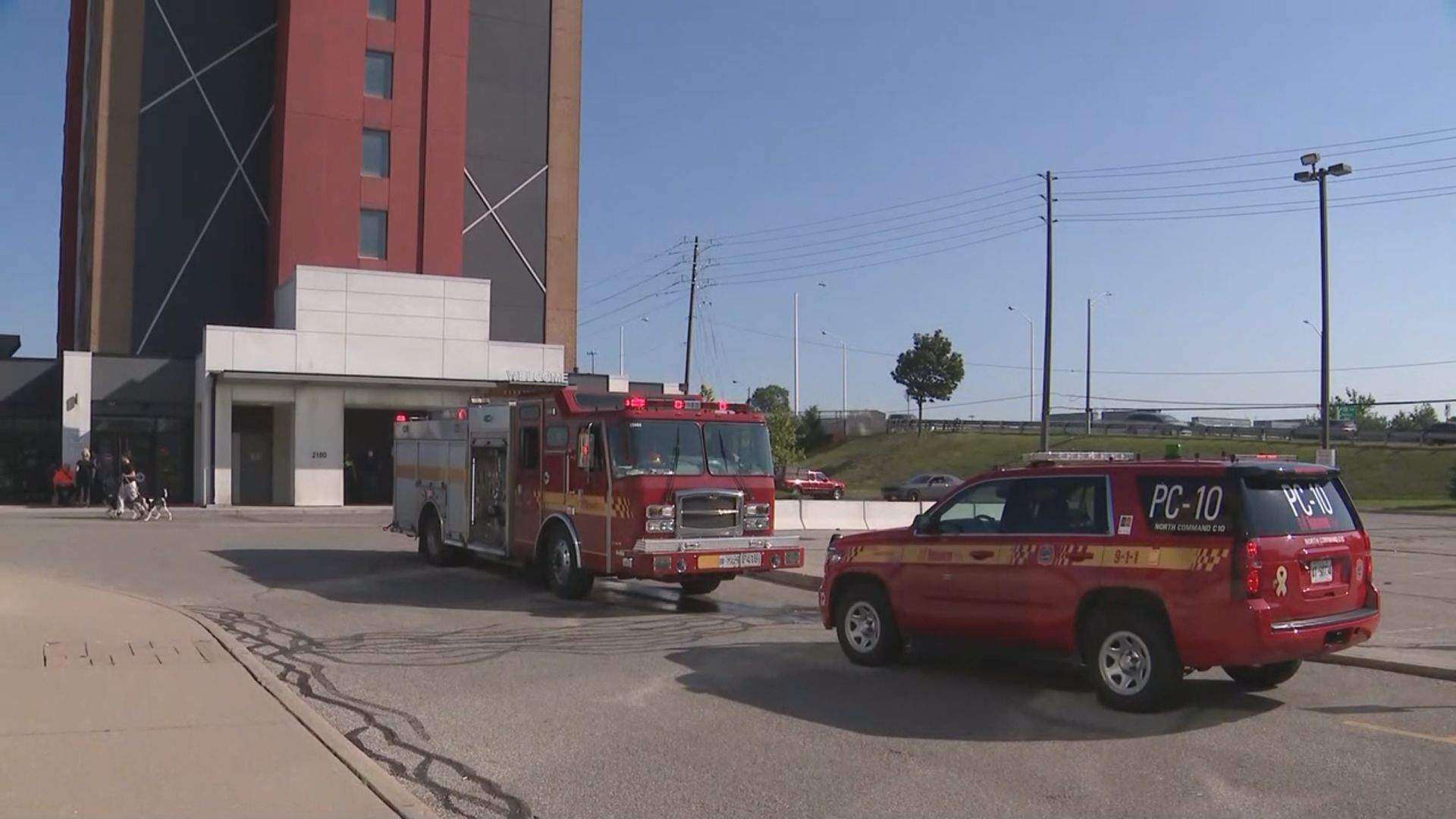
Thick black smoke filled the seventh floor of an Etobicoke highrise before dawn, forcing emergency crews to scramble. Another morning, another emergency response tied to energy storage.
When a two-alarm fire broke out at a city-run shelter on Islington Avenue, Toronto Fire Services arrived to find a familiar hazard. Burned lithium-ion batteries were pulled straight from the unit. While investigators are still sorting out whether those specific power packs triggered the blaze or simply fueled it, the pattern is impossible to ignore.
These incidents aren't random anomalies anymore. They are happening with alarming frequency across the city, testing the limits of urban emergency infrastructure.
The Rising Toll of Battery Blazes
Toronto Fire Services data reveals a troubling trend. Officials report that lithium-ion battery fires have jumped significantly compared to the previous year. We are looking at a spike of roughly thirty-five percent year-over-year, with dozens of active fire responses logged.
Just a day prior to the Etobicoke shelter incident, a separate residential highrise fire in St. James Town sent four people—including two children—to the hospital. Investigators tied that fire to e-bikes and charging equipment stored on a balcony.
The stakes are high. These aren't minor appliance malfunctions. When energy cells fail, they do so with explosive intensity.
Why These Batteries Fail So Violently
You charge your phone, your laptop, and maybe an e-scooter or e-bike every single day. Most of the time, nothing happens. But the chemistry inside these power packs is inherently volatile.
When a cell gets damaged, overcharged, or exposed to cheap, uncertified charging hardware, things can go wrong fast. Experts call the resulting chain reaction a thermal runaway.
It is an uncontrollable, self-heating loop. Once a single cell enters this state, it cascades into neighboring cells. Temperatures skyrocket in seconds. Standard household extinguishers often struggle to suppress the chemical violence of a runaway pack, leading to intense smoke and rapid ignition.
Protecting Dense Urban Housing
Highrise living and shelters present unique evacuation challenges. In the Islington Avenue incident, the building's active sprinkler system played a massive role in stopping the flames before they could rip through the entire floor.
Without that automated water suppression, a seventh-floor unit fire could have displaced dozens of vulnerable residents. Platoon Chief Peter Rappos and TFS Chief Jim Jessop have repeatedly emphasized basic safety protocols to prevent these close calls from turning fatal.
People need to stop buying cheap, knock-off replacement chargers online. Stick to manufacturer-approved gear. Never modify power units. Above all, stop treating battery disposal like regular household trash. Toss dead or bloated cells at designated hazardous waste collection sites instead of throwing them down the chute.
Check your charging habits today. If a battery pack feels unusually hot or shows physical swelling, take it out of service immediately.