People throw around Martin Luther King Jr quotes like comfortable cushions. You see them on social media graphics, corporate banners, and graduation cards. They look nice. They sound peaceful.
Most people completely miss the teeth behind them.
When Dr. King wrote, "Darkness cannot drive out darkness; only light can do that. Hate cannot drive out hate; only love can do that," he wasn't handing out passive advice for nice people. He was talking about a hard, tactical weapon against social decay. It's easy to preach nonviolence from a quiet room. It is entirely different when someone bombs your front porch while your wife and baby sleep inside.
That happened to King in Montgomery, Alabama, in 1956.
The Real Cost of Responding to Hostility
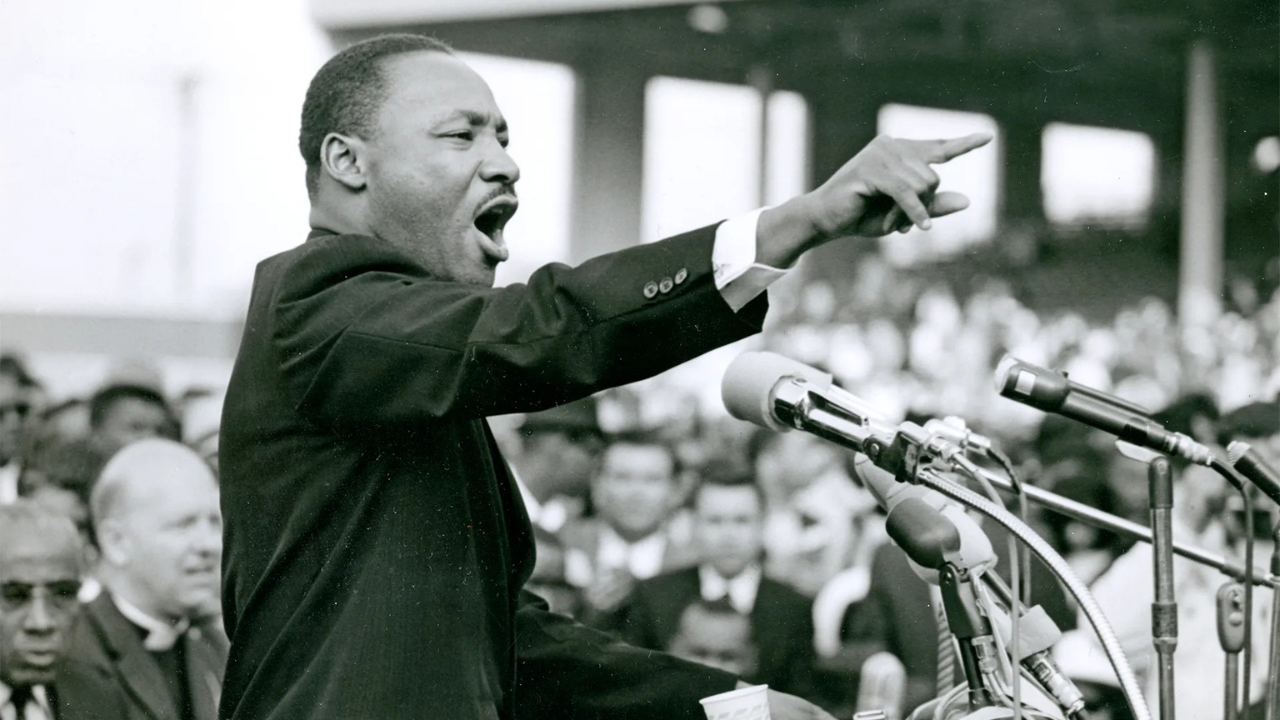
We love to romanticize the civil rights movement as a peaceful march where everyone held hands and sang songs. History tells a much dirtier, bloodier truth. Activists faced police dogs, high-pressure firehoses, prison beatings, and constant death threats.
When you get punched in the face, your body floods with adrenaline. Your brain screams for revenge. That is human nature. King understood this trap better than almost anyone. He argued that answering hostility with equal hostility creates a closed loop.
Hate multiplies hate. It operates like compound interest on a bad debt.
If someone screams at you, and you scream louder, you haven't solved anything. You have simply escalated the noise level. Two opposing camps lock horns, throw insults, and convince themselves they're the virtuous ones. Nothing changes. The shadow just grows longer.
Why Nonviolence Was a Strategy, Not a Slogan
King didn't pull these ideas out of thin air. He studied Mahatma Gandhi's campaigns in India and theological frameworks from Christian teachings. He treated nonviolence as a rigorous discipline.
Activists went through intense workshops before participating in lunch counter sit-ins. They practiced staying calm while strangers spat on them, poured hot coffee on their heads, and dragged them out of chairs.
Why? Because snapping back hands the power over to the aggressor.
When you retaliate, you validate the opponent's narrative. You become the very thing you claim to oppose. By absorbing the blow without returning it, you expose the raw ugliness of the injustice for the entire world to witness. Light exposes what darkness tries to hide.
How This Applies Outside the History Books
We live in a culture that rewards outrage. Social media algorithms are literally built to monetize your anger. Someone posts a bad take, and thousands of people pile on to tear them apart. We call it accountability, but often, it's just digital stoning.
We think we are being righteous by canceling, shaming, and destroying people who disagree with us.
King’s logic cuts straight through that digital noise. You cannot bully someone into changing their worldview. You cannot insult someone into empathy. Every time you scream at an ideological opponent on the internet, you are adding fuel to a fire and wondering why your house is burning down.
Light doesn't fight darkness with more shadow. It simply shows up and changes the room.
Moving Past Passive Comfort
Stop treating historic wisdom as a warm blanket. Treat it like a tool.
The next time you feel the hot rush of anger and the urge to strike back—whether in an online argument, a workplace conflict, or a family feud—pause. Understand that matching venom with venom guarantees a loss for everyone involved.
Break the chain. Refuse to play the game by the enemy's rules. Shift the focus from destroying what you hate to building what actually works.