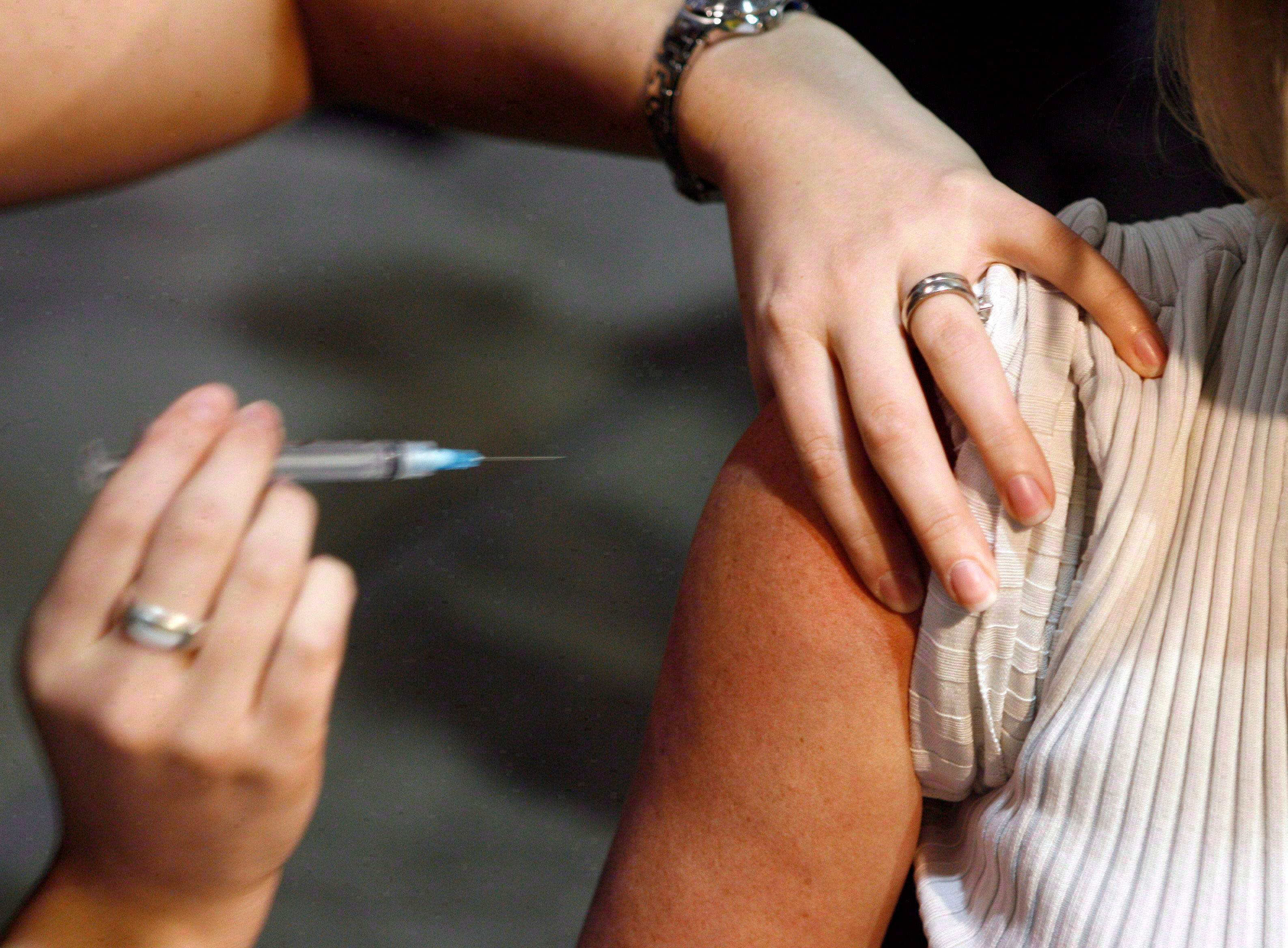
Waiting ten or fifteen years for a promising medical breakthrough to reach a clinic isn't just frustrating. For patients dealing with fast-moving conditions like idiopathic pulmonary fibrosis or rare genetic disorders, that delay is a death sentence.
We've gotten weirdly comfortable accepting glacial timelines as the price of safety. Conventional drug development routinely stretches past a decade, costs hundreds of millions or billions of dollars per approved therapy, and fails roughly 90% of the time once candidates enter human testing. Now artificial intelligence is speeding up early discovery, compressing target identification and molecule design from years down to months in several notable programs. Yet speed at the front end doesn't automatically fix how we test medicines in real people.
AI can accelerate early drug design, but medical breakthroughs still stall when clinical trials, patient recruitment, and regulatory proof collide with human biology.
When I look closely at drug development right now, I see two completely different speeds operating inside the exact same pipeline. Up front, generative models and biological foundation tools can sift through molecular libraries, propose novel targets, and draft candidates at a pace traditional medicinal chemistry never matched. Take Insilico Medicine's rentosertib program for idiopathic pulmonary fibrosis: its AI-driven workflow moved from target discovery to Phase I trials in roughly 30 months—well ahead of the five-year norm many teams expect just to get a candidate ready for early human dosing—and entered Phase III testing in 2026 across hundreds of patients.
Even so, getting a molecule into a trial is only half the battle. Actually proving whether it works safely across diverse patients is where clocks slow down again.
Why Medical Breakthroughs Still Hit Walls After Discovery
If software could cure diseases on its own, we'd already be swimming in new treatments. Biology doesn't care how fast your GPU cluster runs.
A molecule that looks brilliant on screen or behaves nicely in a dish can still trigger unexpected toxicity in humans or fail to show meaningful clinical benefit in larger trials. Analyses of AI-discovered molecules in clinical development show encouraging early Phase I safety rates—often cited around 80% to 90% compared with lower historical averages—yet Phase II efficacy success rates sit closer to the familiar ~40% range. That gap tells you something honest: picking better starting shapes helps early safety, but predicting complex human efficacy across messy real-world bodies remains brutal.
Then there's the operational crunch nobody likes talking about at glossy tech conferences. Speeding up discovery creates more candidates competing for the exact same finite clinical trial infrastructure. Research on clinical trial bottlenecks highlighted in late 2026 shows sponsors and contract research organizations pointing to patient recruitment as a top driver of delays—up sharply from earlier surveys—alongside rising protocol complexity and site bottlenecks. You can't conjure eligible patients out of thin air just because an algorithm generated a clever compound on Tuesday afternoon.
Where Speed Helps and Where It Doesn't
In my experience watching biotech teams wrestle with real-world trials, the biggest mistake is treating AI like a magic shortcut through every gate. It isn't.
- Literature synthesis and hypothesis generation: AI tools excel at scanning massive amounts of biomedical text, omics data, and prior trial outcomes to spot angles human researchers might miss.
- Molecular screening and optimization: Models can filter vast chemical spaces rapidly, helping teams prioritize candidates with cleaner starting profiles before wet-lab synthesis.
- Patient matching and trial operations: Algorithms can help flag eligible cohorts from structured records or streamline data cleaning, though real-world recruitment still depends on hospital capacity, clinician time, trust, and clear eligibility criteria.
- Pivotal human proof: No simulation replaces a well-controlled human trial measuring whether patients actually feel, function, or survive better over time.
Rethinking Clinical Trial Testing Without Cutting Corners
Speeding up medical breakthroughs shouldn't mean lowering standards. Cutting corners on safety or statistical rigor is a terrible trade; one high-profile disaster sets back entire therapeutic fields for years.
Instead, smarter testing means eliminating wasted motion. Traditional trials often lock rigid designs into place long before enough is known about dose response or biomarker shifts, forcing costly protocol amendments mid-stream. Adaptive designs, better patient stratification, and clearer early go/no-go criteria help teams fail fast on weak ideas rather than dragging zombie programs through years of expensive limbo.
Look at how regulators are responding too. The U.S. Food and Drug Administration has rolled out initiatives exploring real-time clinical trial approaches and AI-enabled optimization for early-phase studies, asking tough questions about how to measure efficiency, safety signal detection, model drift, and fairness across patient groups. That's a healthy shift. Regulators aren't saying "trust the algorithm blindly." They're asking how to verify that new tools actually produce cleaner, safer, faster evidence.
Honestly, that distinction matters more than hype ever will. If a model helps pick better trial endpoints or spot safety signals earlier, great—show the validation data. If a model is treated as an oracle that skips real-world testing, push back.
What People Usually Miss About Faster Cures
People love dramatic stories about overnight cures. Real medical progress rarely looks like a movie montage.
First, data quality beats raw data volume every single time. Messy electronic health records, inconsistent lab annotations, and biased training cohorts will happily train a model to repeat old blind spots at high speed. Garbage in, faster garbage out.
Second, a fast discovery timeline isn't an approved medicine. Even with accelerated early steps, moving from initial concept to full regulatory approval still requires multi-stage clinical evidence, manufacturing scale-up, and durability data. Calling an early-stage candidate a "breakthrough" before late-stage results are in sets false expectations for patients who are hurting right now.
Third, business incentives shape what gets tested. Even when science moves quickly, commercial priorities, trial costs, and reimbursement hurdles determine which conditions get heavy investment—and which rare or complex illnesses still get starved of attention.
Practical Next Steps for Patients, Researchers, and Builders
Whether you're tracking a specific condition for someone you love, building health software, or evaluating biotech claims, you don't have to guess blindly.
- Check the actual trial stage before celebrating a headline. Look up whether a therapy is in preclinical lab testing, Phase I safety, Phase II dosing/signal-finding, or Phase III pivotal testing—and verify whether results are peer-reviewed or only from a press release.
- Ask how AI tools were validated, not just how fast they ran. For researchers and builders, document context of use, data lineage, subgroup performance, and human oversight checkpoints early instead of bolting compliance on at the finish line.
- Support realistic trial access and better data infrastructure. Patients and advocates can check official registries like ClinicalTrials.gov to ask informed questions about eligibility and endpoints, while institutions can focus on interoperable records and diverse trial sites so fewer promising studies stall for lack of participants.
Medical breakthroughs shouldn't take fifteen years when better trial design, cleaner data, and thoughtful technology can remove avoidable friction. Keep demanding real human evidence—and keep pushing to get it without wasting years along the way.