The stadiums are packed. Flags are waving, and the roar of thousands of football fans echoes across Mexico City and Guadalajara. It's the 2026 World Cup, and the world is watching Mexico celebrate. But just a few miles from the gleaming turf and VIP boxes, a completely different reality plays out. It's a reality of dirt, shovels, and unyielding grief.
While football fans trade stickers of their favorite strikers, a grassroots collective named Luz de Esperanza is handing out a different kind of sticker in Guadalajara. These look exactly like the official Panini collectibles, complete with a faux-FIFA logo in the corner. But instead of showing a famous athlete, the face on the sticker belongs to Christian Emmanuel Rivera, missing since August 2023. Or Jaime Adrian Ramirez, who vanished in September 2020. Above each face, a single stark word replaces the player's position: "DESAPARECIDO." Missing.
Mexico is currently using the massive global sporting event to polish its international image. Yet, the country is haunted by an astonishing humanitarian catastrophe. More than 135,000 people are officially listed as missing across Mexico. As tens of thousands of international tourists arrive to party, the families left behind are making sure the world cannot look away from their pain.
The Brilliant Spectacle vs Gross Negligence
The government wants you to look at the scoreboard. They want you to see the modern transport systems, the heavy security detail around tourist hubs, and the festive fan zones. It's an expensive, orchestrated illusion. If you step even slightly outside the heavily policed tourist corridors in host cities like Guadalajara, the security blanket vanishes.
Locals understand this game perfectly. The state of Jalisco, where Guadalajara sits, leads the entire country with more than 16,000 registered disappearances. Mass graves are routinely uncovered just a short drive from where World Cup matches are being played. The contrast is sickening. Millions of dollars poured into stadium renovations and tournament logistics while the national registry of the missing continues to climb every single day.
Families say the official indifference is the hardest part to swallow. When a loved one vanishes, the bureaucratic gears stall instantly. Authorities routinely blame the victims, suggesting they were involved with cartels to avoid opening real investigations. Because the government won't look, the citizens have to.
Mothers with Shovels Doing the State's Job
If you want to understand the true depth of this crisis, you have to look at the search collectives. These are mostly groups of mothers, sisters, and grandmothers who have abandoned their normal lives. They spend their weekends walking through remote fields, checking abandoned buildings, and digging into the dirt based on anonymous tips.
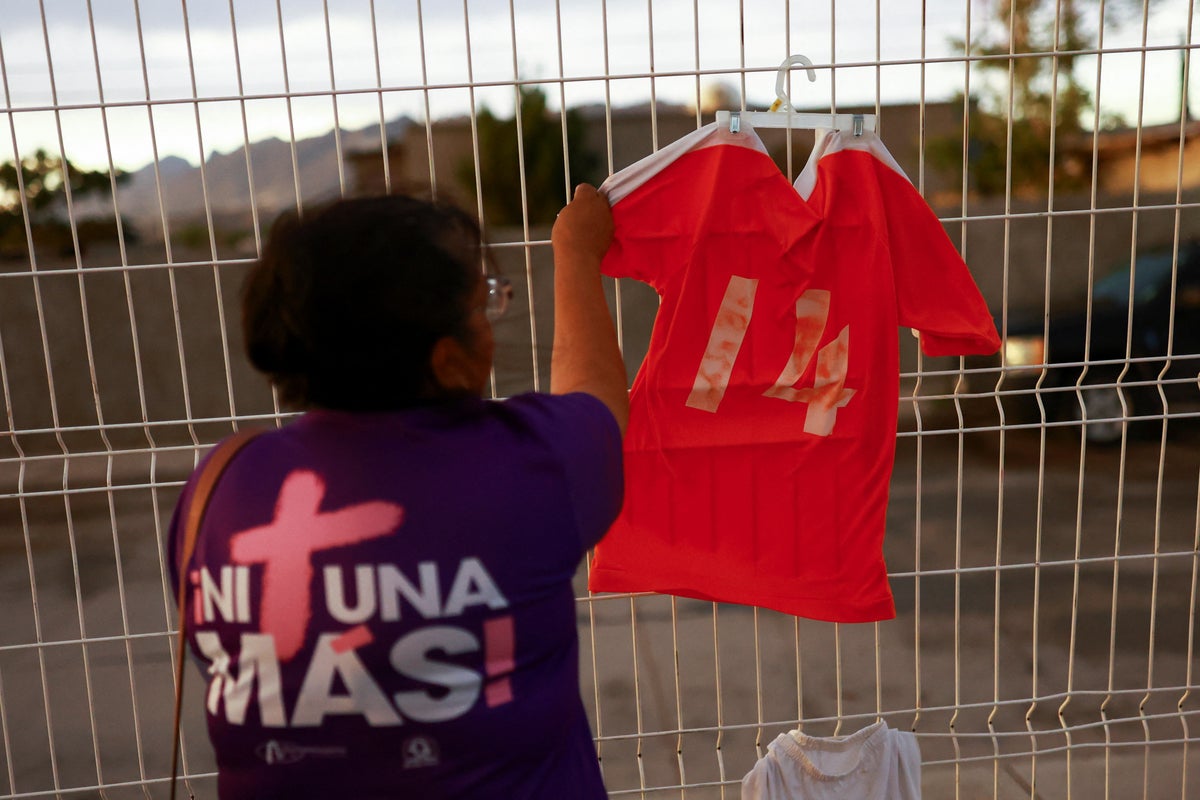
Take Norma Laguna. Her daughter, Idaly Juache, was a passionate 19-year-old striker for a local team near the Texas border in Ciudad Juarez. In 2010, two days after a Sunday match, she disappeared. Two years later, a tiny piece of her skull was found in a dry riverbed 70 kilometers away. Today, Laguna still keeps her daughter's orange number 14 jersey. The World Cup was supposed to be something Idaly loved. Instead, it's a gut-wrenching reminder of a stolen future.
The tragedy didn't stop there for Laguna. The violence in Mexico is generational. Now, she's searching all over again—this time for her missing grandson, Edgar Ruiz.
Then there is Miguel in Guadalajara. His daughter Yessenia was abducted directly from her home by armed men in 2022. Since then, Miguel has poured every peso he owns into finding her, running out of financial resources and physical strength while official investigators offer nothing but empty promises.
These aren't isolated incidents. They are the daily fabric of life for families across the nation. The searchers face immense danger. Cartels don't want their mass graves found, and the authorities don't want the statistics to go up, leaving these search collectives caught in a terrifying crossfire.
The Global Spotlight is the Only Weapon Left
Why use the World Cup to protest? Because when the tournament ends, the international cameras pack up and leave. Right now, Mexico cares deeply about what the world thinks. That pressure makes visibility a shield for activists.
When relatives marched toward Mexico City Stadium during the opening matches, they weren't trying to ruin the fun. They were demanding basic human rights. By turning soccer culture on its head—like creating the missing-person Panini stickers—they force international visitors to confront the crisis directly.
If you are following the tournament or visiting Mexico, you shouldn't let the festive atmosphere blind you to the reality on the ground. True solidarity means acknowledging the country's deep wounds.
What You Can Do Right Now
The worst thing that can happen to Mexico's missing is silence. If you want to support the people fighting for answers, stop looking at the event as just a game.
- Follow and amplify the collectives: Groups like Luz de Esperanza in Jalisco and search teams across Mexico share their daily findings on social media. Share their posts. Use your platform to keep their faces visible.
- Donate directly: These grassroots search groups receive zero government funding. They buy their own shovels, boots, water, and DNA testing kits. Look up verified independent search collectives to donate directly to their field operations.
- Demand accountability from sponsors: Corporate giants pour billions into FIFA events. Use your voice online to question why tournament partners stay silent on the human rights records of host nations.
The games will finish, a trophy will be raised, and the crowds will go home. But for thousands of Mexican families, the search through the dirt continues. Don't let their voices be drowned out by the stadium cheers.