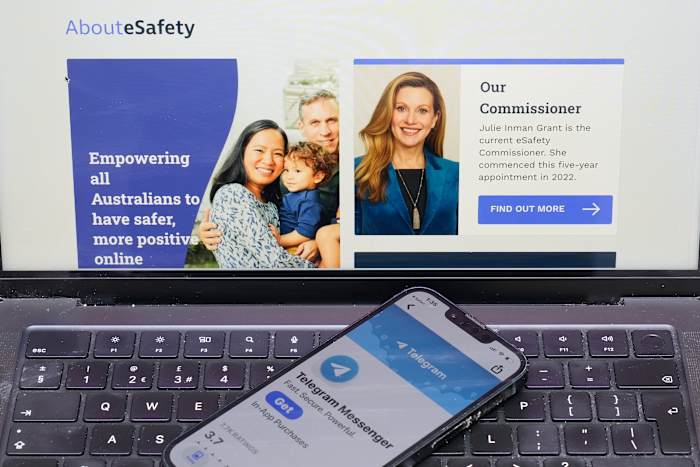
Low monthly payments always sound harmless. You see a shiny new device advertised for seventeen dollars a month, and suddenly parting with your cash feels painless. Apple just overhauled its financing structure by retiring the old Citizens One-backed iPhone Upgrade Program and launching Apple Upgrade, a hardware leasing scheme powered by Klarna.
It covers not just phones, but Macs, iPads, and watches too. It sounds convenient. It feels like a smart hack to keep your tech fresh. But if you look past the marketing gloss, leasing your everyday electronics through a buy-now-pay-later giant changes the math of ownership entirely. You are no longer buying hardware. You are renting an endless subscription to your own pocket.
The Shift From Ownership to Endless Renting
For years, Apple loyalists relied on installment plans or the legacy upgrade program to slowly chip away at the actual cost of a device. At the end of those terms, the phone belonged to you.
The new Apple Upgrade model works differently. You pick a 12- or 24-month term for an iPhone or Apple Watch, or stretch to 36 months for a Mac or iPad. You make your monthly payments through Klarna. When the clock runs out, you face three choices: upgrade to a new model by starting a brand-new lease, buy the device with a single lump-sum payout, or hand the hardware back and walk away empty-handed.
You stop paying, you stop having. It turns your phone into a utility bill that never disappears.
The Fine Print on Carrier Locks and Credit Checks
Getting into this system isn't as casual as buying a coffee subscription. If you want to lease an iPhone through the program, you must tie it to a major postpaid carrier like AT&T, T-Mobile, or Verizon. Prepaid plans need not apply.
Then there is the financial vetting. Klarna handles the approvals via a soft credit inquiry when you apply. While a soft check won't dent your credit score initially, missing payments or stumbling through long-term multi-year commitments on multiple gadgets can cascade into larger financial headaches.
People love to view these low starting prices—like $17.99 a month for an entry iPhone model—as a discount. It is not a discount. It is a pacing mechanism designed to keep you permanently hooked on the upgrade treadmill.
What Happens When You Want Out
The real test of any hardware program arrives when you want to leave. With traditional financing, if you miss an upgrade cycle, your monthly bills simply stop because the device is paid off.
Under a lease, stopping means giving back the physical object you have spent years paying to maintain. If you dropped your MacBook or cracked your screen along the way, returning it cleanly gets complicated fast unless you layer on extra protection plans like AppleCare. Buying the device outright at the end requires coughing up a substantial final balloon payment through your Klarna account, negating any initial savings you thought you secured.
How to Decide if It Fits Your Budget
Do not let the sleek checkout screens dictate your choices. Ask yourself how often you actually need a new gadget.
If you treat your phone like a leased car—always swapping it out for the newest release the second your term expires—then a leasing structure matches your habits. You trade equity for convenience.
If you prefer to hold onto your hardware for four or five years until it stops receiving software updates, avoid this program completely. Buy it outright, use carrier trade-ins independently, or finance through zero-interest paths that end in actual ownership. True financial control means owning your tools, not renting them forever.