Taxing businesses because their employees are poor sounds like a radical way to fix a broken healthcare system. It isn't. It's a blunt instrument that's likely to blow up in everyone's face.
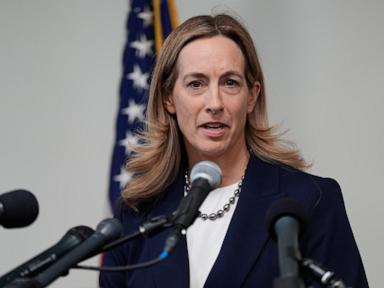
On June 30, 2026, New Jersey Governor Mikie Sherrill signed a budget package that includes a controversial law hitting companies with a brand-new penalty. If you run a business in New Jersey with 50 or more workers, and those workers or their kids rely on Medicaid, you're about to get a bill from the state. Learn more on a similar subject: this related article.
Proponents call it tax fairness. They say giant corporations are getting corporate welfare by shifting their labor costs onto taxpayers. But this policy ignores how the labor market functions. By punishing companies for employing low-income individuals, the state is creating a massive incentive to stop hiring those people altogether. New Jersey is the first to leap this year, but states like California and Connecticut are right behind them. If you run a business, you need to understand exactly what's hitting your bottom line and how to prepare.
Inside the New Corporate Fees
The new law sets up a sliding scale of annual assessments based on how many of your workers use NJ FamilyCare, the state's Medicaid program. It doesn't just look at the individual worker. It looks at their family members too. Further analysis by Business Insider explores related perspectives on the subject.
For employers with 50 to 249 workers or dependents on Medicaid, the penalty is $325 per person. If that number scales up to between 250 and 499 beneficiaries, the price rises to $525 for every single individual. If your firm has 500 or more people tied to the Medicaid system, you're looking at a steep fee of $725 per person.
The state estimates this will bring in around $145 million this fiscal year. According to data from the state Department of Human Services, roughly 750 employers, including nonprofits and local government offices, will trigger these fines.
Consider the scale for massive retail operations. A state report revealed that Amazon had roughly 5,600 workers and more than 10,000 dependents on public health insurance in New Jersey. Under the maximum $725 tier, that translates to an annual tax bill deep into the millions. Walmart isn't far behind with over 10,000 workers and family members on the public rolls. Century II Staffing, a major player in the temporary workforce sector, had more than 9,000 people enrolled.
The law attempts to cushion the blow by carving out certain exceptions. Workers with permanent physical or intellectual disabilities are exempt from the fee calculation. The legislature also built in a delayed exemption for part-time, temporary, and seasonal employees. Those exemptions won't officially kick in until July 1, 2027. For the first year of the program, you have to pay the fee for those short-term workers upfront and wait for a tax credit the following year. It's an administrative nightmare that sucks cash out of businesses when they need it most.
The Federal Budget Cuts Driving This Blue State Revolt
To understand why Trenton is moving so fast on this, you have to look at Washington. A year ago, the Trump administration pushed through a sweeping overhaul of federal Medicaid rules. Those federal rollbacks are starting to bite hard.
New Jersey health officials estimate that the federal changes will eventually drain $3.3 billion annually in hospital aid from the state and force up to 300,000 residents off their health coverage. State health systems are facing a fiscal cliff, and lawmakers are scrambling for cash. This corporate assessment is a desperate attempt to patch a sinking ship.
New Jersey isn't acting in a vacuum. Governors across the country are eyeing the exact same playbook to offset their own budget shortfalls.
Connecticut Governor Ned Lamont recently announced plans to push a flat $1,000 per-employee fee on large businesses whose staff rely on public health insurance. Lamont openly frames the reliance on Medicaid as corporate welfare, staging press conferences outside major retail outlets to rally support. He wants his plan baked into the upcoming budget cycle to stabilize premiums on Connecticut's healthcare exchange.
Out West, California lawmakers just passed a bill directing their state administration to draft specific implementation options for an employer charge by next year. With Gavin Newsom leaving office in January, the momentum is being picked up by Democratic gubernatorial candidate Xavier Becerra, who has integrated the corporate health fee directly into his platform. Similar measures gained traction in Oregon, Colorado, and Washington earlier this year.
History shows this rarely works out over the long haul. Massachusetts tried a very similar experiment back in 2017, capping employer assessments at $750 per non-disabled worker on state insurance. It created massive compliance friction, sparked fierce corporate pushback, and the legislature quietly let the law expire after just one year.
Why Left and Right Both Hate This Tax
You'd think a policy targeting massive corporations like Amazon and Walmart would be a consensus win for progressive advocacy groups. It's not. The most damning indictment of New Jersey's new tax is that it has managed to unite business associations and left-leaning policy think tanks in absolute opposition.
The business perspective is clear. Christopher Emigholz from the New Jersey Business and Industry Association points out a massive structural flaw. Employers have absolutely no control over whether an employee chooses Medicaid over a company-sponsored plan. Many low-wage workers actively decline corporate health benefits because their personal premium share is too expensive, or because Medicaid simply offers better coverage with zero deductibles. Punishing a business because an individual worker makes a rational financial decision to stay on public assistance is completely unfair.
The critique from the progressive side is even more alarming for the workers this law is supposed to help. Policy analysts at the Center on Budget and Policy Priorities and New Jersey Policy Perspective have raised red flags about hiring discrimination.
If a company knows that hiring a single parent with three kids could automatically slap them with an extra $2,900 in annual state taxes, that single parent instantly becomes less employable. Businesses focused heavily on profit margins will start screening out applicants from low-income ZIP codes or avoiding candidates who hint at needing public assistance.
Instead of forcing companies to offer better benefits, the law risks turning Medicaid enrollment into a workplace liability. Workers might avoid signing up for public health insurance entirely out of fear that their boss will find out and look for a reason to lay them off. The law claims to ban employment discrimination based on Medicaid status, but proving why a candidate wasn't hired is notoriously difficult in the real world.
What Big Employers Must Do Right Now
If you employ 50 or more people in New Jersey, you can't afford to sit back and see how this plays out. The state budget is active, and the fiscal machinery is already moving. You need to take concrete steps to protect your operation from unexpected tax liabilities.
First, you need an internal data audit. Most human resources departments have no idea how many of their employees or dependents are enrolled in Medicaid. Work with your legal team and privacy officers to safely assess your workforce exposure. You can't fix a problem if you don't know the size of the liability.
Second, re-evaluate your health benefit architecture. If your workers are turning down your company plan because the employee contribution is too high, it's time to crunch the numbers. It might actually be cheaper to subsidize a larger portion of the premium for your lowest-earning employees than to pay the state's $525 or $725 annual penalty per person. Making your company plan more attractive is the single best way to naturally migrate people off the state's target list.
Third, adjust your cash flow models for the temporary worker loophole. Because the exemptions for part-time, seasonal, and temporary staff don't issue immediate relief until mid-2027, you will be forced to float the cash for these assessments for the next twelve months. Ensure your accounting team accounts for this temporary capital drain so it doesn't throttle your operations during peak seasons.
Finally, prepare for increased compliance costs. Tracking data across shifting headcounts, handling the state billing cycles, and applying for the subsequent year's tax credits will demand significant administrative time. Document everything meticulously. When other states inevitably pass their own versions of this law later this year, having a clear tracking system already active in New Jersey will keep you ahead of the game.