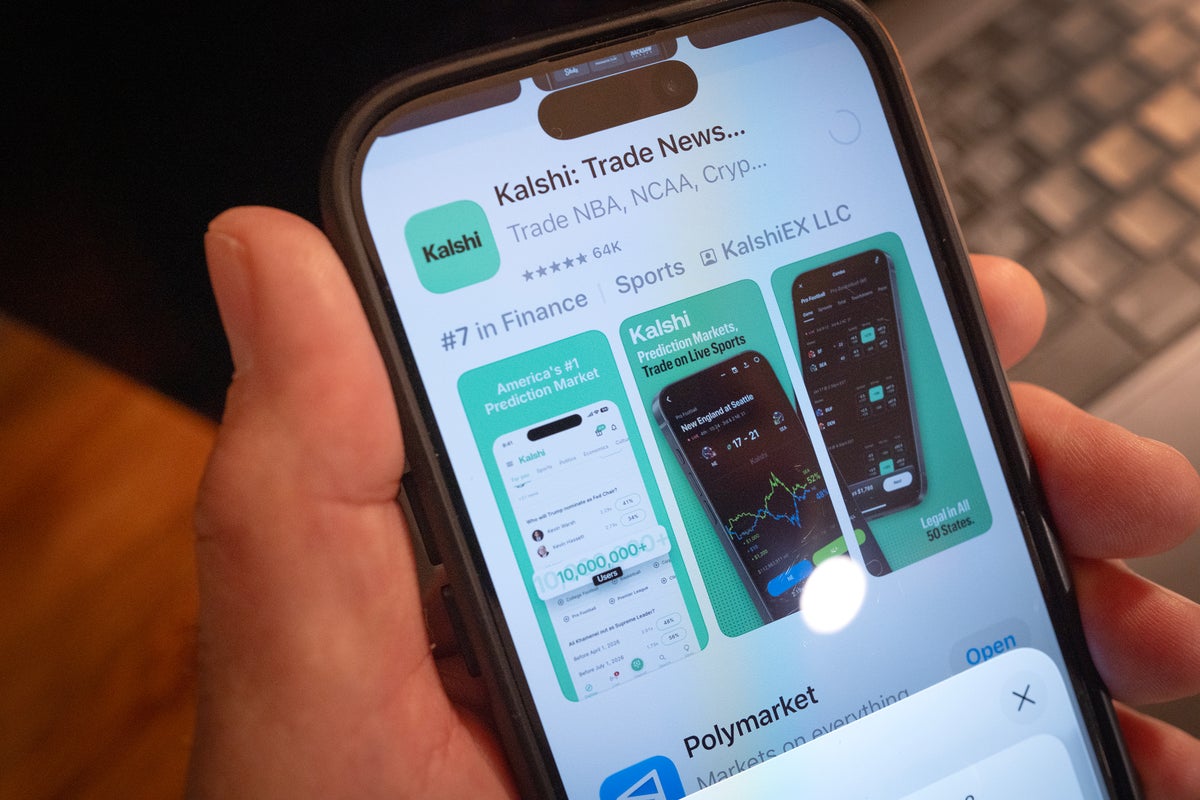
State authorities want you to believe that calling a wager an "event contract" doesn't magically make it legal. New York just launched a aggressive lawsuit against prediction market giant Kalshi, labeling the popular trading platform an unlicensed, illegal gambling operation.
Governor Kathy Hochul and Attorney General Letitia James didn't mince words when announcing the legal action. They want Kalshi's profits seized, heavy fines levied, and operations halted inside the state. At the center of this battle is a massive jurisdictional clash. Washington says Kalshi is a federally regulated commodities exchange. Albany says it is just a sports betting and casino app hiding behind fancy financial terminology.
The Core Conflict Behind the Kalshi Lawsuit
Prediction markets have exploded in popularity. Monthly trading volumes across platforms like Kalshi and Polymarket surged past twenty billion dollars. Users can bet real money on everything from federal elections and economic indicators to pop culture events and sports outcomes.
To the companies running these exchanges, this is peer-to-peer trading. You buy contracts. Prices fluctuate based on market demand. They argue that this mechanism mirrors traditional stock markets rather than a trip to a casino.
New York state officials aren't buying it. Their argument relies on a straightforward premise: if people are putting money down on uncertain future events beyond their control, it's gambling.
State leaders point out several glaring compliance issues. Traditional mobile sports betting in New York requires users to be at least twenty-one years old. Kalshi has allowed eighteen to twenty-year-olds to place wagers on its platform. State leaders argue this bypasses vital protections meant to curb underage betting and problem gambling. Furthermore, licensed sportsbooks and casinos pay heavy state taxes that fund public schools and social services. Kalshi bypasses these state-level contributions entirely under its federal registration.
Federal Oversight Versus State Power
This legal showdown exposes a chaotic loophole in American financial regulation. Kalshi operates under the oversight of the Commodity Futures Trading Commission (CFTC). Under federal rules, the exchange classifies its products as event derivatives.
Because of this federal stamp of approval, Kalshi has historically claimed immunity from state-level gaming laws. The company argues that letting fifty different states impose their own rules would create total regulatory chaos.
Federal regulators have often backed this view. The CFTC has historically moved to defend its turf against state attorneys general who try to shut down federally registered markets. Yet state prosecutors are pushing back hard. They argue that federal commodities laws were never meant to legalize retail sports betting and speculative consumer gambling across state lines without local oversight.
What This Means for Everyday Traders
If you use these platforms, the ground is shifting beneath your feet. State-level bans and emergency injunctions mean your access could vanish overnight depending on where you live. Companies caught in the crossfire face massive financial penalties, forced profit disgorgement, and mandatory consumer restitution.
The outcome of this lawsuit will set a massive precedent for the entire financial technology sector. If New York wins, other states will likely follow with their own aggressive enforcement actions. That would effectively shatter the national footprint that prediction markets have fought so hard to build.
Check your local regulations before funding accounts on prediction platforms. The federal versus state legal war is only heating up, and individual users carry the regulatory risk.