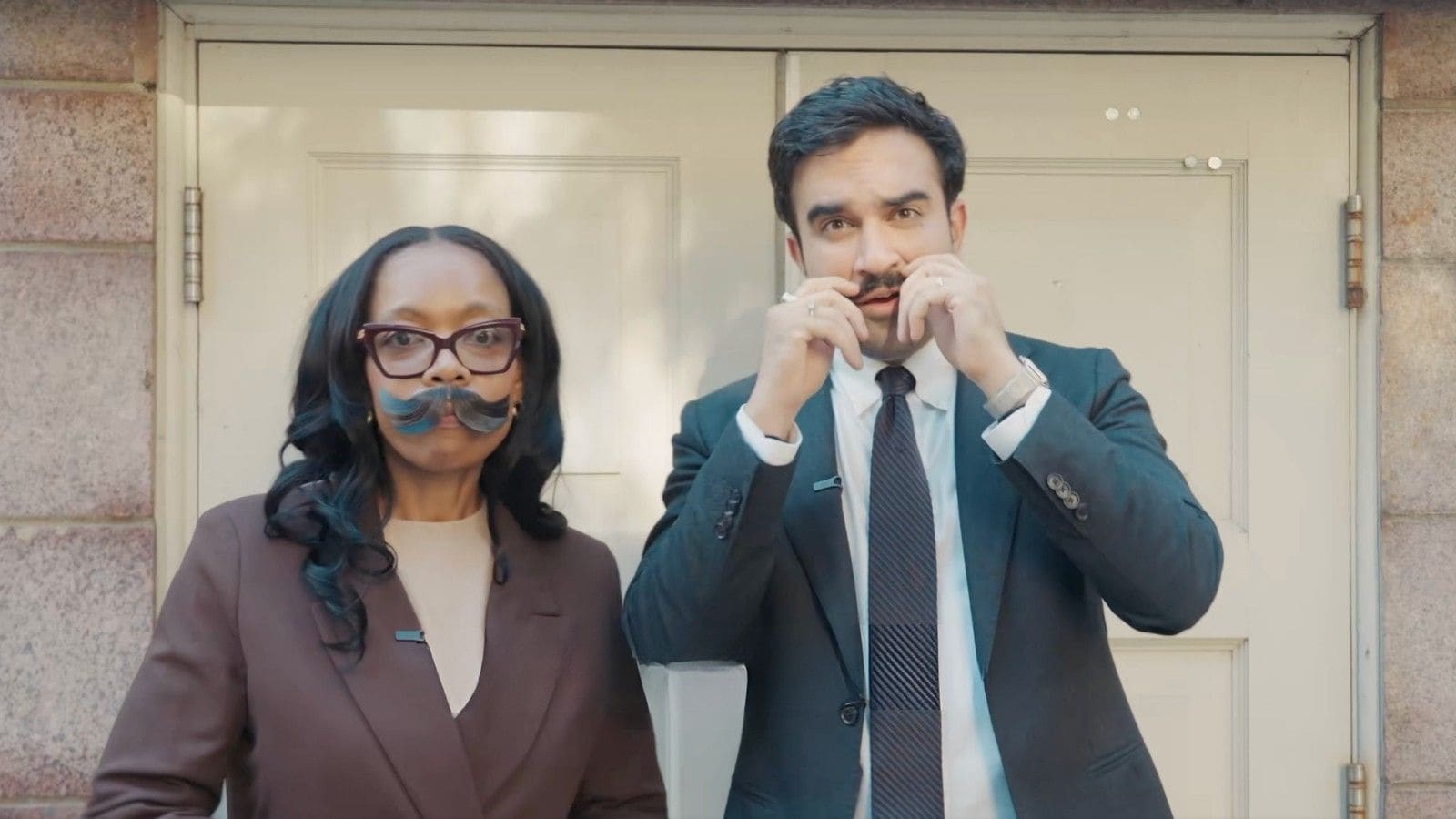
Every November, a peculiar ritual sweeps across cities worldwide. Men sacrifice their facial hair dignity, trading full beards for questionable moustaches, all in the name of men's health. This year, New York City Mayor Zohran Mamdani joined the movement with a high-profile shift, swapping his signature beard for a clean-cut upper lip statement.
Politicians love a good photo op. But behind the grooming change lies a serious conversation about what we actually do to tackle prostate cancer, mental health crises, and suicide prevention among men. Let's look past the viral headlines and examine why high-profile figures adopting the Movember trend matters more than you think.
The Reality Behind The Upper Lip Hair
We have all seen the November routine. People grow facial hair, post selfies, and joke about the awkward phase during week two. Critics often dismiss it as slacktivism. A hairy lip doesn't directly cure an illness.
Yet, public visibility drives public engagement. When a major political figure like Mamdani alters his appearance to back a global health initiative, it forces local media to talk about an uncomfortable subject. Men notoriously avoid routine medical checkups. Prostate and testicular cancers carry heavy social stigmas, making early detection difficult because people simply refuse to talk about their symptoms.
When leaders normalize public discussions around cancer screenings and mental health checks, the cultural barrier shrinks. That matters in a dense, fast-moving metropolis like New York, where healthcare access is unevenly distributed and preventative care often takes a backseat to daily survival.
Moving Past Performative Optics
Writing a check or growing a moustache is easy. Real systemic change requires long-term policy backing, funding, and structural support for public health infrastructure.
Too many public figures use awareness months as a quick PR bandage. They flash a smile, snap a photo, and forget about the issue until next November. To make a real difference, awareness campaigns must connect directly to tangible medical resources. Free screenings, community health outreach in underserved neighborhoods, and direct funding for urban medical research are the benchmarks that actually save lives.
If a political leader's new look draws millions of eyes to public health portals, the administration has a clear responsibility to ensure those clinics are fully staffed and equipped to handle an influx of patients seeking preventative care.
What You Can Do Right Now
You don't need a public office or a viral social media post to take men's health seriously. If you want to honor the spirit of the season, take concrete action today.
- Schedule your screenings: If you are over the age where prostate or testicular cancer screenings are recommended, call your doctor. Do not wait for symptoms to appear.
- Check on your friends: Men's mental health remains a silent crisis. Reach out to someone you haven't heard from in a while and skip the generic "how are you?" Ask specific questions and actually listen to the answer.
- Support local clinics: Look up community health centers in your borough that provide low-cost or free preventative care services and see how you can contribute or spread the word.
Public stunts fade by December. Keeping yourself and your community healthy is a year-round job. Take care of your health before it forces you to stop and listen.