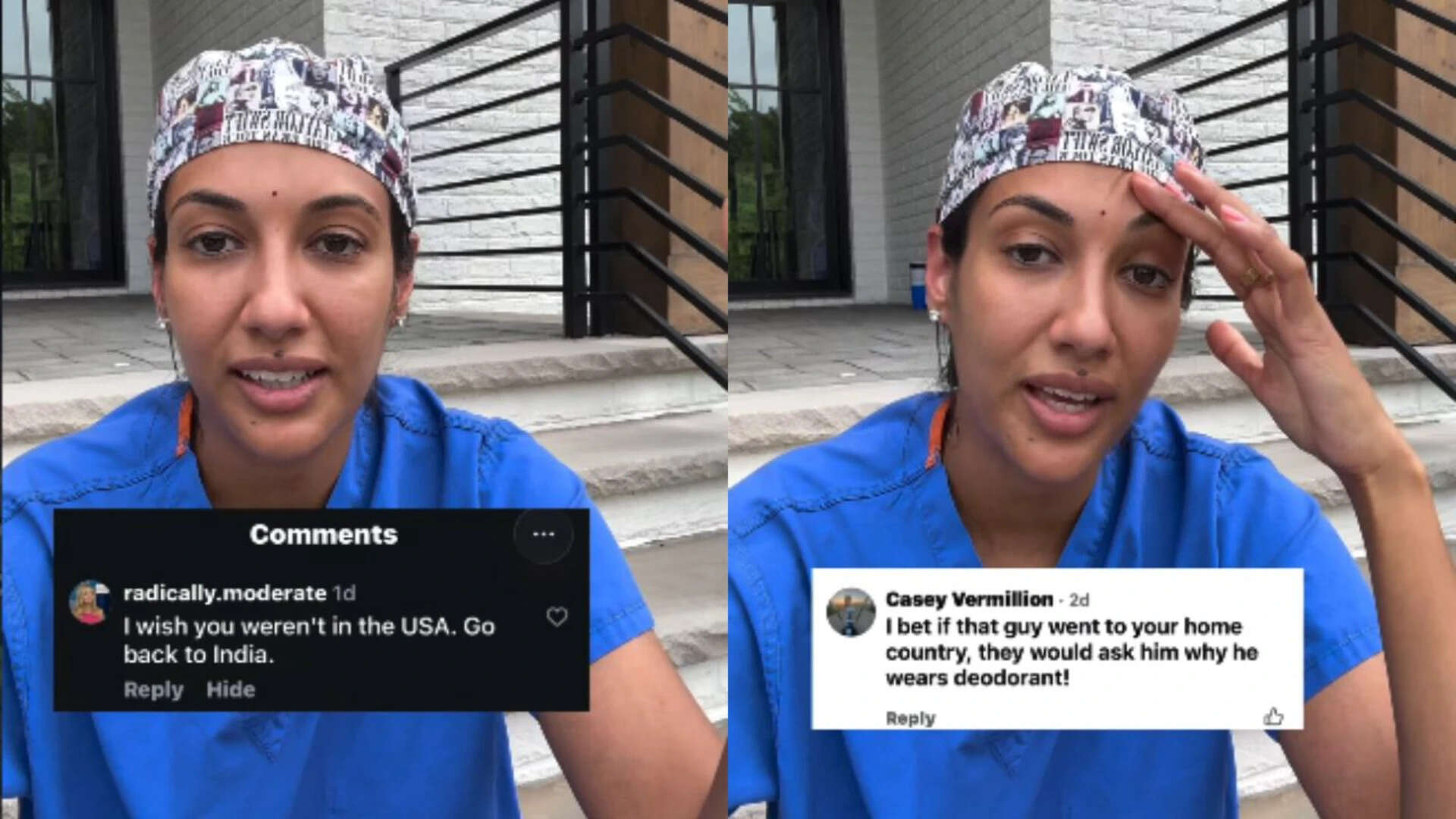
You’re scrolling through your feed, expecting a lighthearted clip about a doctor’s day. Instead, you hit a wall of vitriol. This is exactly what happened to Dr. Karishma Reddy, a board-certified plastic surgeon, after she posted a video recounting an old medical school anecdote involving her bindi.
The reaction wasn’t just a few bad apples. It was a flood of xenophobic, anti-Hindu comments that left the doctor stunned. She’s spent her life in high-pressure medical environments where merit and professional conduct are the standard. Suddenly, she was being told to "go back to India" on the internet—a place she calls home, being American-born and raised.
When Digital Anonymity Fuels Real World Hate
It’s easy to dismiss online comments as "just noise." But the reality is that the digital hate Dr. Reddy experienced is symptomatic of a larger, systemic shift. Recent data suggests that revealing your Indian identity online is no longer just a neutral act of expression; for some, it’s a target painted on your back.
Look at the numbers. A 2026 survey by the Carnegie Endowment for International Peace found that since the start of 2025, one in four Indian Americans has been called a slur. Think about that. One in four. That isn't a fringe problem—it’s a widespread issue affecting a community of roughly 5.2 million people in the U.S..
The vitriol targeting Dr. Reddy often stems from tired tropes. Some of the most persistent, and honestly pathetic, comments involve the "motel or gas station" stereotype. These aren't just jokes; they are attempts to reduce complex professional lives to a single, racially charged caricature. When users pile on with comments about cows or bizarre myths regarding hygiene, it’s clear that the goal isn't debate. It’s dehumanization.
Why This Isn't An Isolated Incident
If you’re wondering if this is a one-off, you’re missing the bigger picture. Anti-Indian sentiment in the digital space has been rising for years, often morphing to fit the political climate of the moment.
- The "Job Stealer" Narrative: It’s a classic, tired script. We see it everywhere from LinkedIn posts about new engineering roles to viral TikToks. Graduates landing positions in competitive fields are frequently met with harassment questioning their citizenship and blaming them for economic shifts.
- Extremist Targeting: Organizations like Moonshot have documented tens of thousands of slurs directed at South Asians in digital spaces within just a few months. These platforms aren't just hosting disagreement; they’re breeding grounds for organized harassment campaigns.
- Symbols as Triggers: Whether it’s a bindi, a tilak, or traditional clothing, these markers of identity frequently become the focal point for abuse. The attack on Dr. Reddy’s bindi proves that even a cultural accessory is enough to trigger a wave of xenophobia.
The Shift in Public Discourse
Why are people so comfortable saying such vile things today? Dr. Reddy herself noted how strange it feels to go from a professional setting—where she’s treated with respect—to the unhinged comment sections of social media.
Part of the issue is that we’ve normalized "rage-baiting." Algorithms prioritize engagement, and nothing drives engagement like conflict. When a creator shares something personal, it becomes fodder for those looking to vent their frustrations under the guise of an "opinion."
But don't be fooled. The "Go Back to India" rhetoric is a lazy attempt to erase the fact that millions of Indian-Americans are just as "American" as the people shouting at them from behind a keyboard.
How to Protect Your Peace
If you’re a creator or just someone who uses social media to connect with your community, the constant barrage of hate can feel suffocating. Here’s the hard truth: you won't win an argument with a troll who is committed to misunderstanding you.
- Don't Feed the Algorithm: If you receive a wave of hate, don't feel obligated to give it a platform. Sometimes, silence is the most powerful response to ignorance.
- Lean Into Your Community: Dr. Reddy’s response was backed by massive support from those who recognized the absurdity of the hate she received. Connect with people who share your values.
- Report, Don't Engage: Platforms have tools to block and report hate speech. Use them. It doesn't fix the systemic problem, but it cleans up your immediate environment.
- Educate Only When It’s Worth It: Sometimes, like Dr. Reddy, you might feel the need to explain cultural context, such as why Hindus hold cows in high regard. That’s your choice, but remember: you don't owe an explanation to someone who has already decided to hate you.
The rise in anti-Indian sentiment isn't something we can "solve" with a single video or a well-written post. It’s an ongoing reality that requires us to be more aware of how we interact online. Treat people with the grace you’d want in return, and if you see hate, don't let it slide. Your presence in these spaces is valid, regardless of what a faceless user thinks.
Indian-American Doctor Targeted by Racist Trolls Over Bindi
This video provides an in-depth breakdown of the online backlash against Dr. Karishma Reddy and the broader context of why these incidents are becoming a flashpoint for cultural identity and digital racism.
http://googleusercontent.com/youtube_content/1