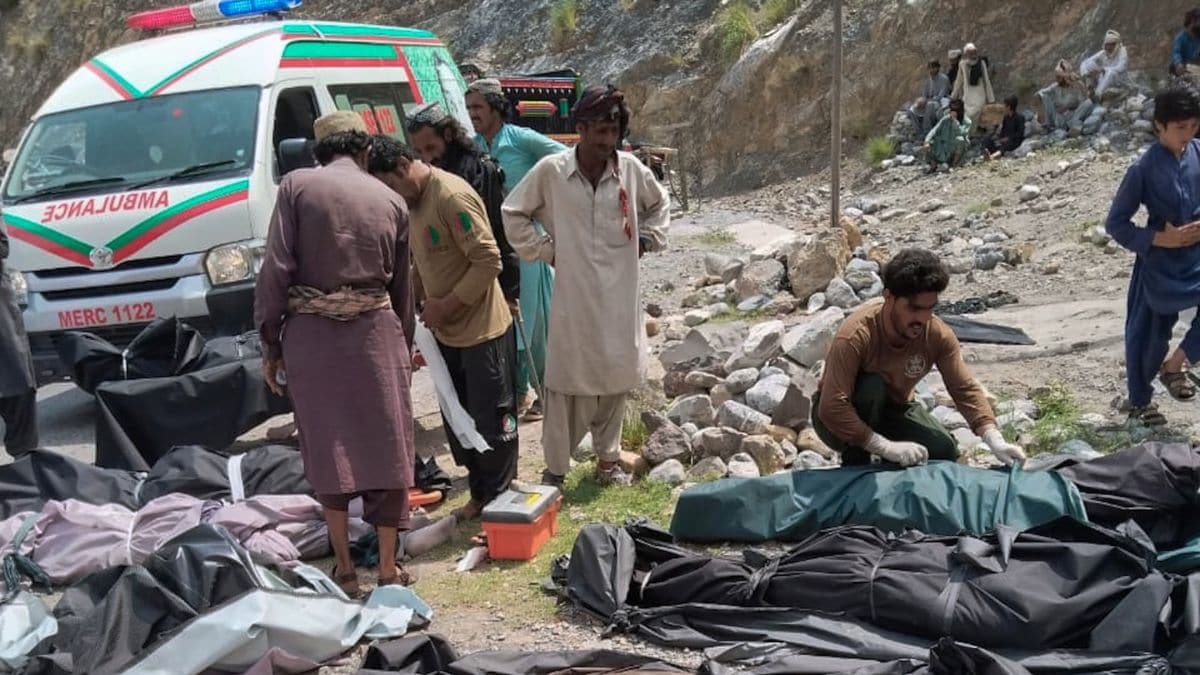
Forty people are dead because a bus driver decided to double his passenger load. On Friday, July 3, 2026, a speeding passenger bus bound for Peshawar plunged 80 feet into a rocky ravine in the Dana Sar area, right on the border between Balochistan and Khyber Pakhtunkhwa (KP). Out of 48 people on board, only eight survived.
This isn't just another tragic accident. It's a systemic failure. The vehicle left Quetta with a standard load of 36 passengers. Along the way, the driver stopped to rescue travelers stranded by a completely different broken-down bus. Instead of calling for backup, he packed them all inside.
The Chaos Before the Crash
The decision to overload the bus didn't sit well with everyone. From a hospital bed in Zhob, an injured survivor detailed a heated argument that broke out mid-journey. Multiple passengers explicitly protested the crowding. One passenger reportedly grabbed the driver by the neck in sheer panic or frustration. Seconds later, amidst the chaos and a difficult mountain bend, the driver lost control. The bus veered off the Sherani-Zhob highway and into the gorge.
While local police are still investigating whether mechanical failure or the physical altercation caused the final plunge, the math remains undeniable. A bus designed for 36 cannot safely maneuver sharp mountain turns with 48 people crammed inside.
High Risk and Zero Enforcement on Mountain Roads
The Dana Sar region features some of the most unforgiving terrain in southwestern Pakistan. Steep drops, sharp curves, and poor visibility make it dangerous under perfect conditions. Add a failing brake system, excessive speed, and a massive weight imbalance, and a catastrophe is practically guaranteed.
Passenger Log Breakdown:
- Starting Count (Quetta): 36 passengers
- Final Count at Crash: 48 passengers
- Confirmed Fatalities: 40
- Survivors Injured: 8
Emergency personnel from KP Rescue 1122 and Balochistan district teams faced massive difficulties during the initial recovery phase due to the rugged, steep slope. Paramilitary forces and volunteers spent hours hauling bodies and injured children up the 25-meter cliff using makeshift carts and stretchers.
Balochistan Chief Minister Sarfraz Bugti ordered an official provincial probe into the incident, while President Asif Ali Zardari demanded top-tier medical care for the survivors. But these political reactions follow an incredibly predictable pattern. We see public grief, promises of a thorough investigation, and then absolutely zero structural change on the ground.
Moving Past Thoughts and Prayers
If Pakistan wants to stop burying dozens of commuters every few months, the government needs to address the rot in its transport network immediately.
- Enforce Strict Weight Limits at Checkpoints: Provincial borders shouldn't just check for smuggled goods; they need scales and passenger counts. If a bus exceeds its registration limit, impound it on the spot.
- Mandatory Dual-Driver Shifts: Long-distance routes between Quetta, Peshawar, and Islamabad demand alert operators. Fatigued drivers are much more likely to make reckless economic choices, like overloading their vehicles to maximize a single run's profit.
- Real Penalties for Transport Companies: Fining a driver does nothing. The private intercity service companies owning these fleets must face massive financial penalties and license revocations when their vehicles operate with faulty brakes or illegal passenger counts.
Right now, families like Nasir Khan’s—who spent hours calling emergency lines from Peshawar trying to find out if his brother survived the Quetta route—are paying the price for cheap oversight. It's time to treat transport safety as a national security issue rather than an inevitable risk of mountain travel.