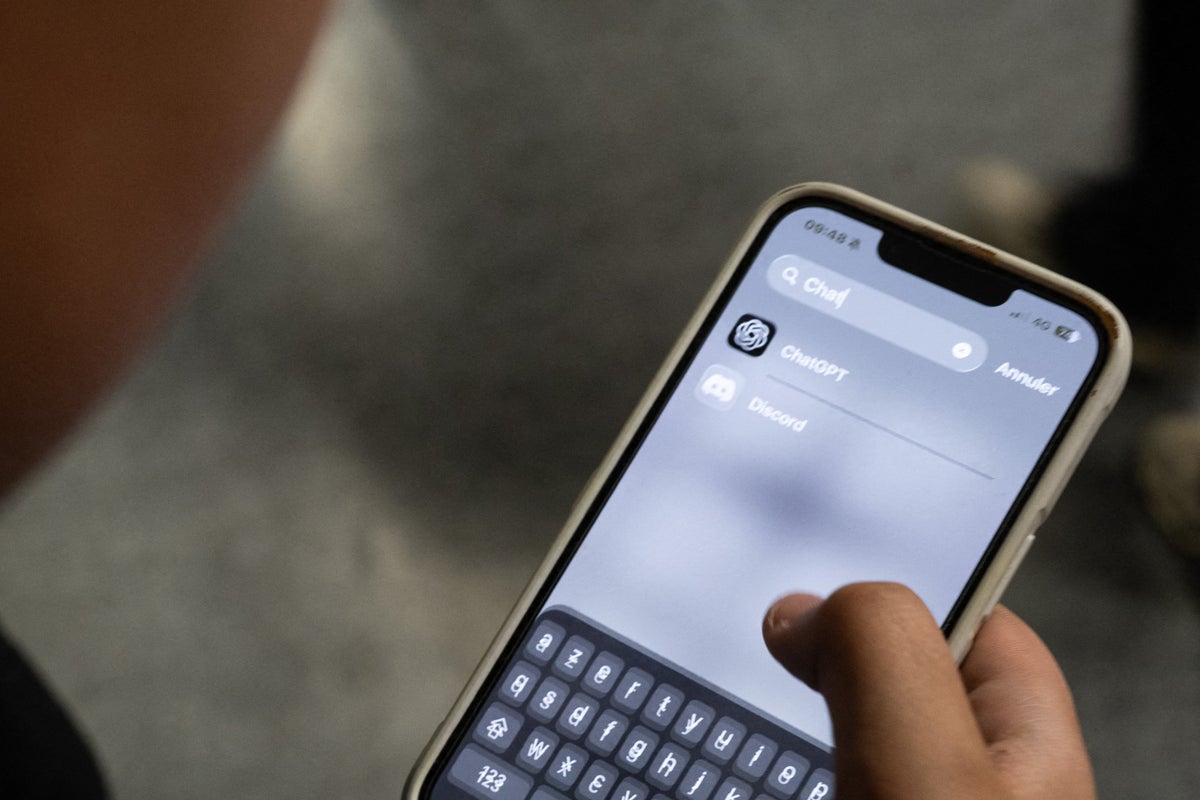
You hand your third-grader a smartphone for safety, but you might be accidentally trading away their reading comprehension. A fresh study from UCLA researchers published in Behavioral Sciences reveals a direct link between owning a personal mobile device and lower reading scores in elementary school students.
Forget about whether the phone is buzzing on the desk or hidden in a backpack. The issue goes much deeper than classroom distractions.
What the UCLA Study Actually Found
Led by UCLA psychology professor Patricia Greenfield, researchers evaluated 106 students across third and sixth grades in Los Angeles County. They tested kids using short reading passages and comprehension questions.
The results caught many educators off guard. Students who owned personal cellphones scored lower on reading comprehension than peers who didn't own phones.
Here is the kicker. It didn't matter if the child brought the phone to school or left it at home. The mere fact of phone ownership correlated with weaker reading skills. Whether the device sat out on a desk or stayed completely out of sight during testing made zero difference in the scores.
Why School Phone Bans Won't Solve Everything Alone
Many school districts rush to implement strict cellphone bans. Parents breathe a sigh of relief, thinking a phone-free classroom fixes academic struggles.
This research suggests otherwise. Because simple phone ownership tracks with lower scores regardless of whether the device enters the school building, banning phones at the front doors of elementary schools won't automatically boost reading performance. The root cause ties back to overall lifestyle changes, habit formation, and how kids spend their free time outside of school hours.
The Surprising Exception for Multilingual Families
There is an interesting twist in the data for households where English isn't the primary language spoken at home.
For students from homes speaking languages like Spanish or Arabic, early text messaging actually helped. Kids who started texting on their phones in second or third grade caught up to their non-phone-owning peers by sixth grade. Frequent digital communication acted as an extra tool for processing and practicing English vocabulary and sentence structures.
What Parents Can Do Right Now
You don't need to panic and throw your kid's device into traffic. But you do need a smarter strategy for managing screen habits before middle school hits.
- Audit offline reading time: Make sure physical book reading happens daily without screens nearby.
- Delay personal ownership: If your child doesn't truly need a phone for independent travel or safety, hold off on giving them their own dedicated device.
- Focus on habits, not just classroom rules: Keeping a phone out of school doesn't replace the need to monitor how much brain space the device claims at home.
Break the cycle of passive screen habits and protect your child's literacy skills early.