You don't usually see a vaccine jump from a lab bench to human arms in 57 days. But right now, a fast-moving crisis in the Democratic Republic of Congo is forcing scientists to break land-speed records.
On July 13, 2026, the UK Health Research Authority and the Medicines and Healthcare products Regulatory Agency cleared a brand-new experimental vaccine for human clinical trials. The speed is unprecedented. Researchers at the University of Oxford started working on this specific shot immediately after the World Health Organization declared a public health emergency on May 17, 2026. Within eight weeks, the paperwork was filed, reviewed, and approved under a special fast-track ethics scheme.
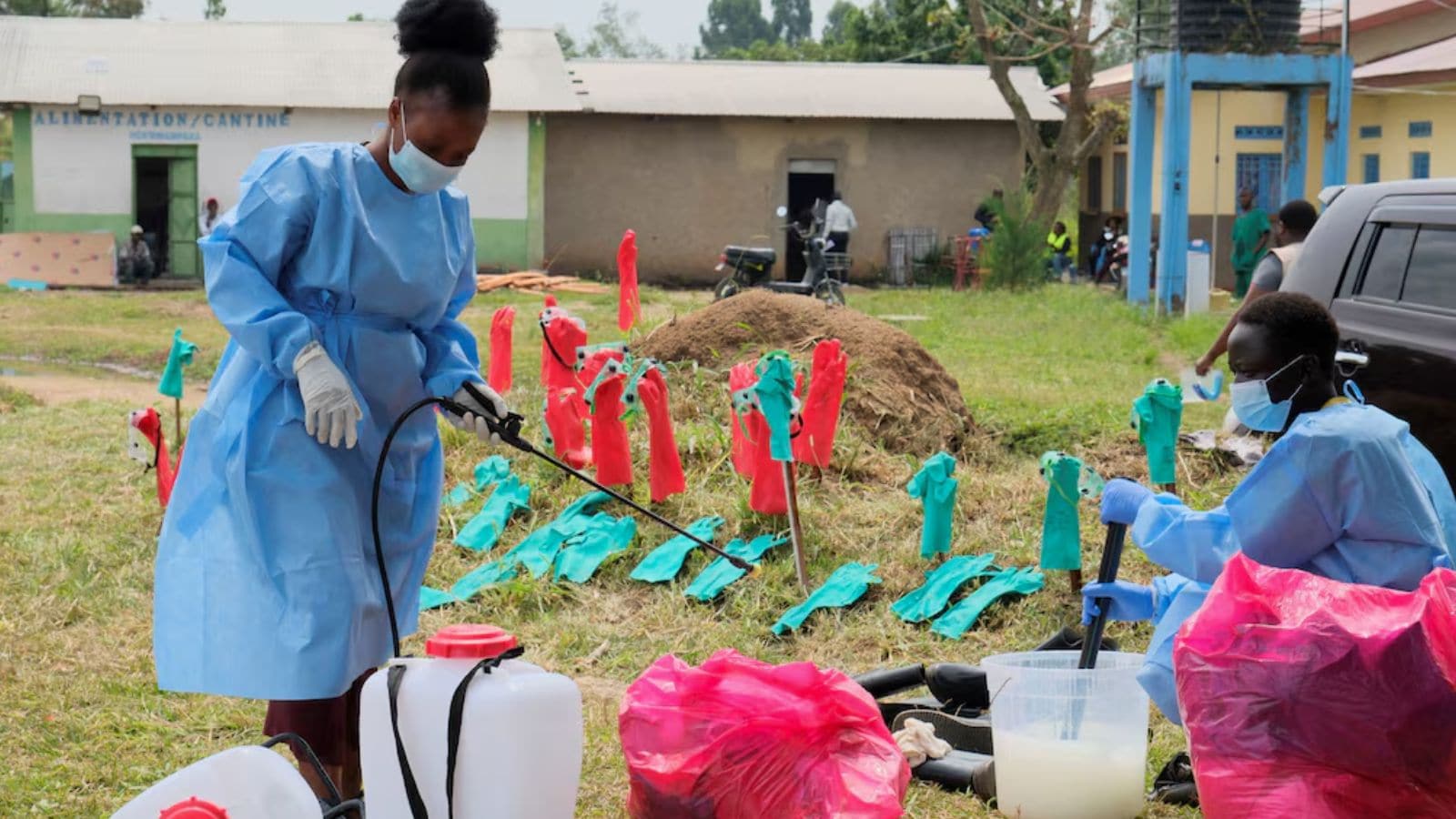
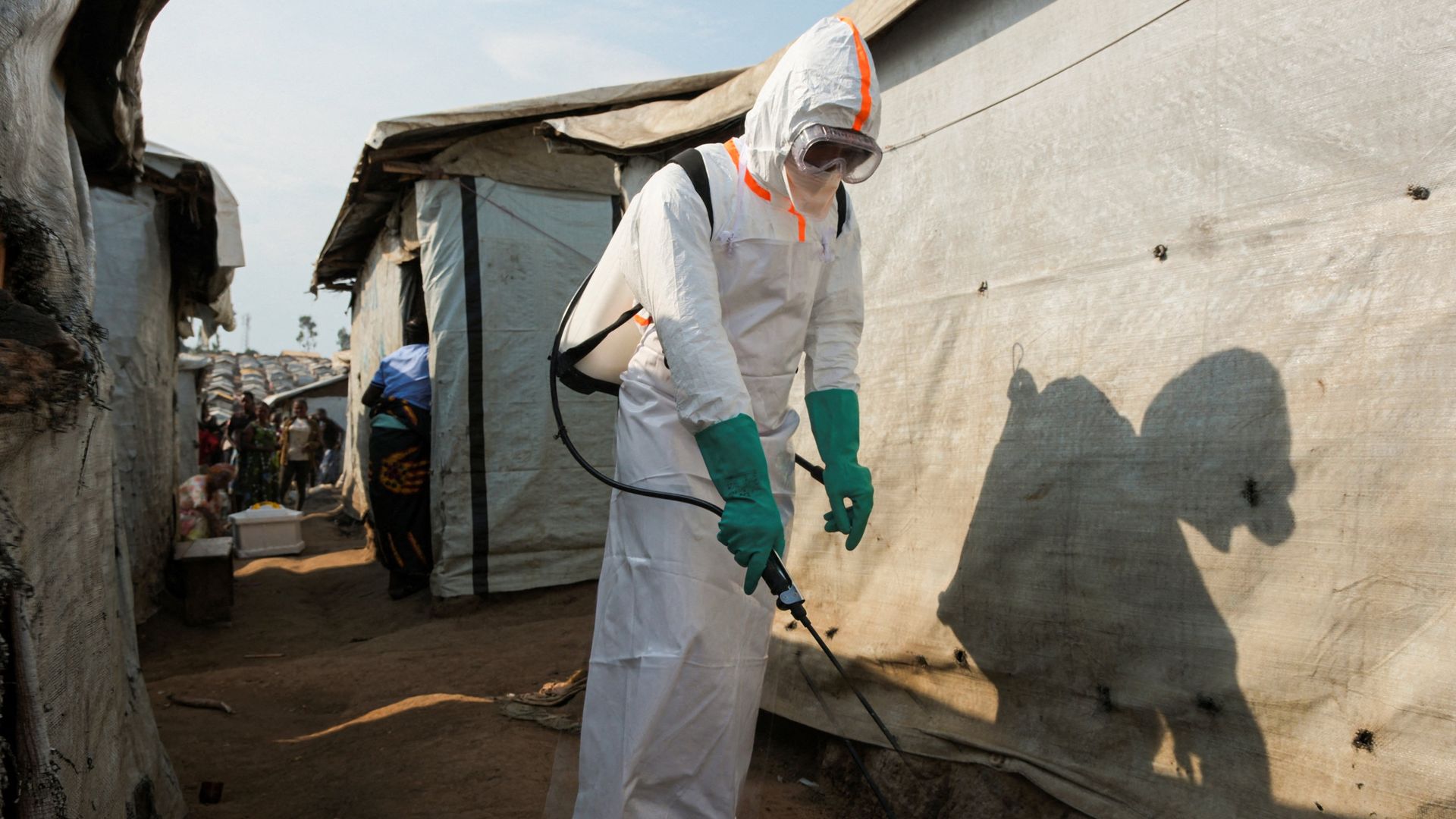
The reason for the frantic rush? A rare, aggressive variant called the Bundibugyo ebolavirus is tearing through conflict zones in Central Africa. It isn't the standard Zaire strain you usually read about in the news. It kills roughly one-third of the people it infects, and right now, we have exactly zero approved vaccines to stop it.
Here is what is actually happening behind the headlines, why the UK is hosting the trials, and what this means for global health security.
The Gap in Our Biodefense Armor
Most people assume the Ebola problem was solved years ago. We have Ervebo, a highly effective vaccine that successfully crushed previous outbreaks. The problem is that Ervebo only targets the Zaire species of the virus. It does nothing against Bundibugyo.
If you get infected with Bundibugyo, the existing medical stockpile is useless to you.
The current outbreak is spreading rapidly across the Democratic Republic of Congo and creeping toward neighbouring borders like Uganda. Making matters worse, the outbreak is concentrated in active conflict zones. Displaced populations, highly mobile communities, and broken healthcare infrastructure mean tracking the virus by standard tracing methods is nearly impossible.
Vaccination is the only realistic firewall, which is why the Oxford Vaccine Group and the Pandemic Sciences Institute scrambled to build ChAdOx1 BDBV.
Inside the Phase 1 Trial
The UK trial isn't meant to see if the vaccine prevents Ebola in real-world conditions. There is no Ebola in London or Oxford. Instead, this Phase 1 study focuses entirely on safety and mapping the human immune response.
Researchers are currently recruiting 50 healthy adult volunteers between the ages of 18 and 55. Over the coming weeks, these participants will receive their first doses. Doctors will monitor them closely for a full year to watch for unexpected side effects and to see if their blood produces the specific antibodies needed to neutralize the virus.
If you think testing an experimental vaccine on healthy people in England sounds risky, you need to look at the underlying platform. This jab uses the exact same chimpanzee adenovirus vector technology that powered the Oxford-AstraZeneca COVID-19 vaccine. It relies on a harmless, genetically modified cold virus to deliver a tiny, non-infectious piece of genetic material from the Bundibugyo virus into your cells.
Your body spots the single protein, throws up a red flag, and builds an immune memory. You can't catch Ebola from the shot. It's physically impossible.
The 620,000 Dose Gamble
While British volunteers step up for blood draws, a massive logistical operation is already finished in India.
The Coalition for Epidemic Preparedness Innovations poured $8.6 million into a partnership with Oxford and the Serum Institute of India. Instead of waiting months for trial results to see if the vaccine even works, the Serum Institute went ahead and manufactured roughly 620,000 doses of the experimental shot in a window of just two weeks.
It is a massive commercial gamble, but it's a necessary one. If the Phase 1 trial in the UK shows positive safety data over the next few weeks, those hundreds of thousands of doses are ready for immediate deployment.
Parallel plans are already moving to set up clinical trials directly in Uganda and the Democratic Republic of Congo. If the outbreak spins completely out of control before the final trial phases finish, regulatory agencies will likely grant emergency use authorizations to get these stockpiled doses into frontline health workers immediately.
What Happens Next
We aren't out of the woods yet. While Oxford's viral vector vaccine is the first to hit human trials, three other candidates are chasing it down. This includes an mRNA option from Moderna and a separate candidate from Public Health Vaccines.
For now, the focus stays on the 50 volunteers in the UK. If you want to follow the progress or understand how you can support global health tracking, here are the concrete steps to watch:
- Monitor the Phase 1 Data: Preliminary safety results from the London and Oxford cohorts are expected within the next two months. Keep an eye on updates from the UK Health Research Authority.
- Watch Cross-Border Transmission: Track World Health Organization situational reports regarding the DRC-Uganda border. The rate of geographic spread will dictate whether the Serum Institute stockpile gets released under emergency protocols.
- Support Medical Volunteering: If you live in the UK and want to participate in active medical research, check the clinical trial registries via the NHS Health Research Authority to see open recruitment windows for various outbreak preparedness studies.