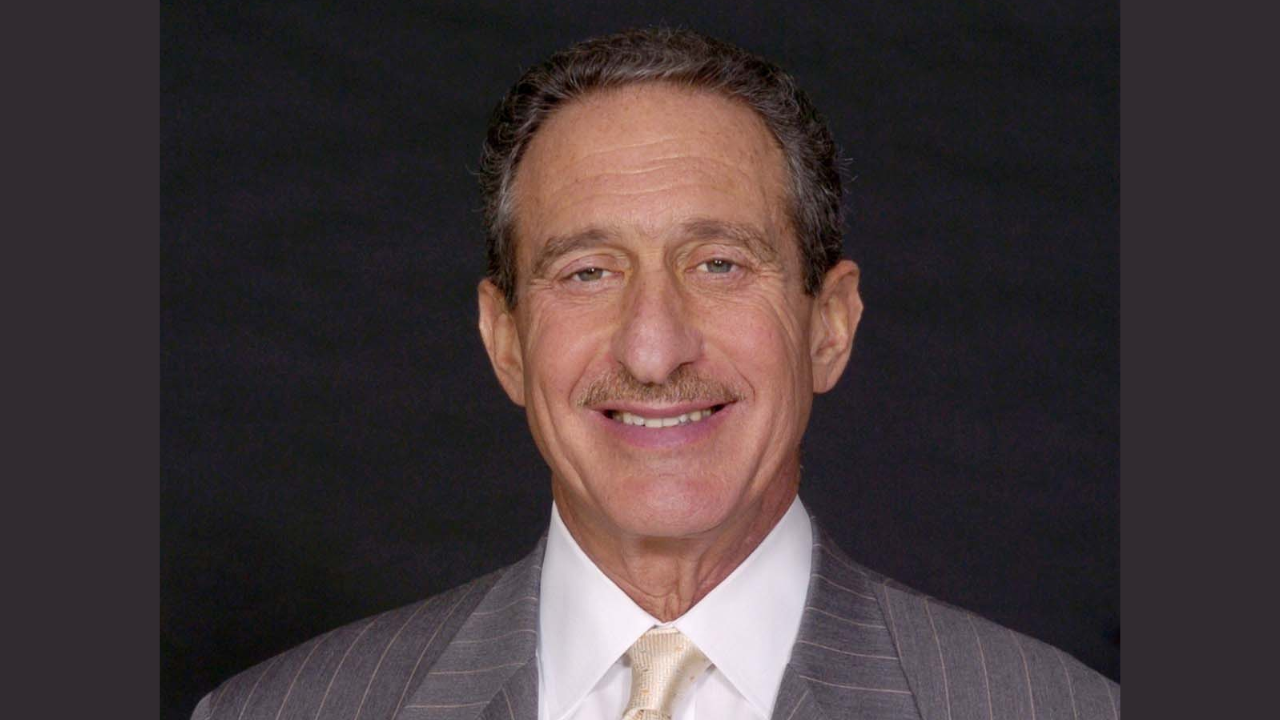
Imagine stepping off a plane for a dream vacation and ending up in handcuffs. That is exactly what happened to Simon Rovensky, a 22-year-old from Coquitlam, British Columbia. He landed in the Eastern European country of Georgia with a single bottle of Adderall. It was legally prescribed by his Canadian doctor. The bottle had his name on it. He even had the pharmacy receipt.
None of that mattered. Recently making headlines in this space: Why Alton Towers Shaking Up Its Ride Access Pass Is Long Overdue.
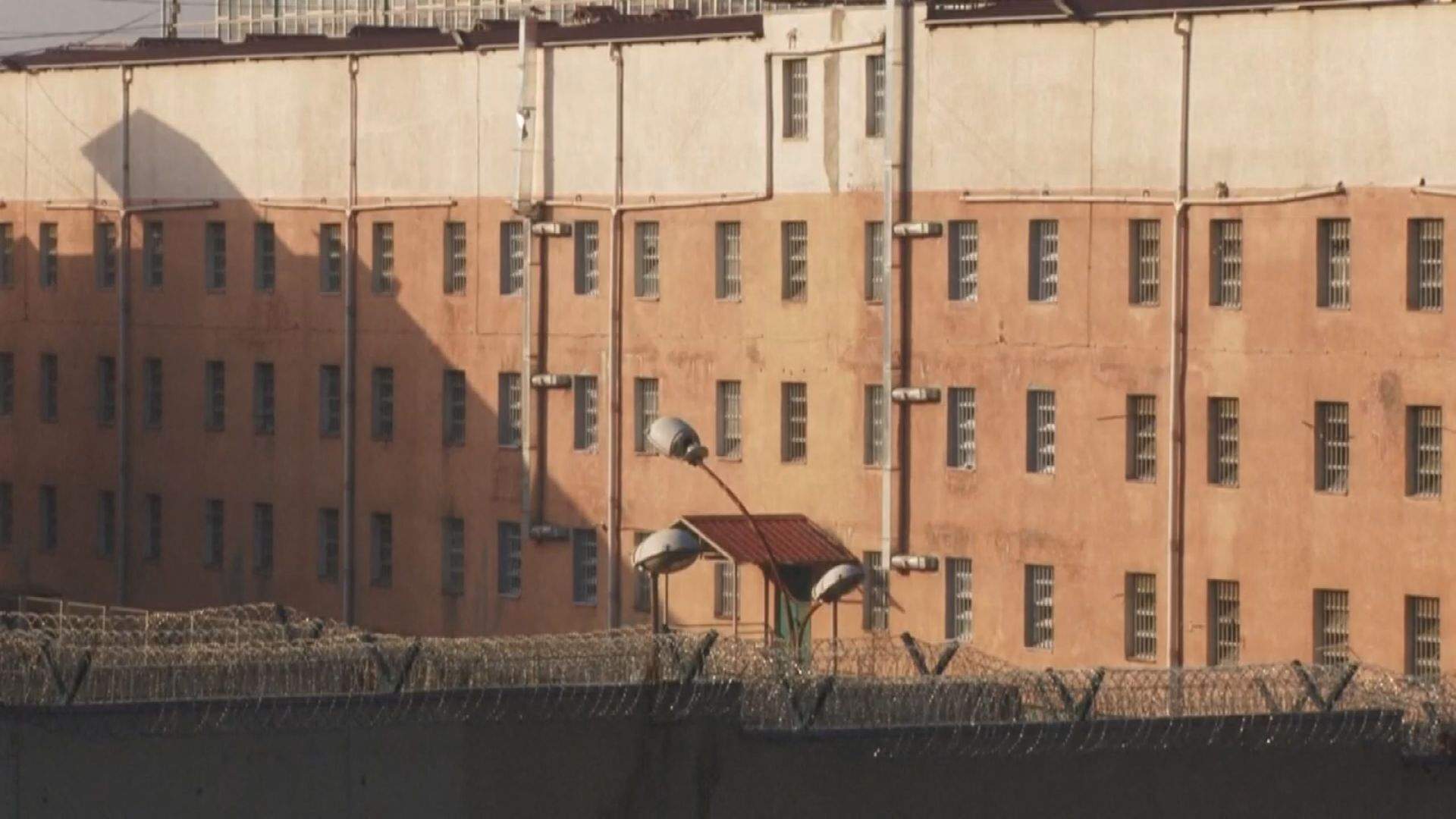
To the border guards at the airport, he was not a patient carrying daily medication. He was a large-scale drug smuggler. He spent nearly two months trapped inside Gldani Prison, a facility notorious for human rights violations, before his family scraped together enough cash to secure his release via a hefty fine.
This is the terrifying reality facing travelers who carry common prescription stimulants across international borders. Most people think a valid sticker on a plastic pharmacy bottle protects them. It does not. Additional information on this are covered by Condé Nast Traveler.
The Nightmare at Tbilisi Airport
When Rovensky arrived at the Georgian border, he did what any honest person would do. He did not hide his medication. He showed the officials the bottle. But because he did not declare it on arrival and lacked a highly specific set of authenticated paperwork, local authorities treated the amphetamines in his Adderall as high-risk illicit substances.
They took his phone. They interrogated him for hours. They even filmed his arrest, marching him through the airport in handcuffs for the cameras. He was completely cut off from his family and the Canadian consulate for days.
The legal machine in foreign countries moves fast and shows zero mercy for ignorance. Within 48 hours, Rovensky faced charges that carried up to 20 years in prison. His family back in Canada was told they had two days to produce original, certified medical documents. Shipping those papers from Canada to Georgia takes at least a week. The math simply did not work.
He was thrown into a tiny cell with five other men. He spent 23 hours a day locked inside. He lost access to his ADHD medication entirely. His mental and physical health deteriorated while his family desperately raised money online to buy his freedom.
Your Medicine Is Another Country's Narcotic
We live in a bubble. We assume that if a licensed doctor writes a prescription, the global community respects that medical decision. That assumption is a fast track to a foreign jail cell.
Different countries operate under wildly different legal frameworks regarding controlled substances. What we treat as routine mental health management, other nations view as a severe societal threat. ADHD medications like Adderall, Ritalin, Concerta, and Vyvanse contain amphetamines or methylphenidate. Under Georgian law, these compounds are classified as narcotic drugs of the highest medical and social risk.
Georgia is not an isolated case. If you fly into Japan with Adderall, you can be arrested right at the gate, even if you have a doctor's note. Japan bans amphetamines outright, making no exceptions for foreign prescriptions unless you secure a highly restrictive advance permit called a Yakkan Shoumei. Try entering the United Arab Emirates or Singapore with daily anxiety or ADHD pills without digital pre-approval, and you will face the exact same interrogation tactics that broke Rovensky.
Customs agents do not care about your diagnosis. They care about their strict statutory lists. If your chemical compound matches an item on their prohibited list, you are possessing an illegal drug until you prove otherwise through an exhausting legal process.
The Real Rules for Crossing Borders With Stimulants
Let us look at what Georgia actually requires, because it illustrates the trap most travelers fall into. According to the regulations enforced by the Georgian Ministry of Health, a traveler can bring up to a 31-day supply of certain psychotropic substances. But you must jump through every single bureaucratic hoop to do it legally.
First, you cannot just show a pharmacy receipt. You need an official copy of the prescription translated into English or Georgian.
Second, that document must be authenticated and notarized. It has to clearly state your full name, your exact medical condition, the precise dosage, and the total duration of your treatment.
Third, you need a separate certificate from your prescribing doctor, which also must be translated and officially certified by an authorized governing body in your home country.
Rovensky had none of this. He had a standard Canadian pharmacy bottle with a label and a cash register receipt. In the eyes of local prosecutors, that made him a drug smuggler. By the time his family managed to mail the correct paperwork over, the state had already locked him into a criminal track. The prosecutors refused to drop the charges simply because the paperwork arrived late.
The Harsh Math of Foreign Jails
Do not expect your government to bail you out if you get caught in this trap. When Rovensky was arrested, his family naturally begged Global Affairs Canada for intervention. The response was slow and predictable. Consular officials took over two weeks just to conduct a basic wellness check.
The government cannot overrule the laws of a sovereign nation. They cannot demand your release. They can only provide a list of local attorneys and ensure you are not being beaten in your cell. You are completely on your own when it comes to fighting the legal battle.
The financial toll is staggering. The Rovensky family had to pay nearly $10,000 just for an initial defense lawyer. To get him out of the courtroom and onto a flight home, they had to agree to a forced plea deal. That meant pleading guilty to narcotics offenses and paying an immediate state fine of 30,000 Georgian Lari, which equates to roughly $11,000 USD.
When you add up the legal fees, the emergency translation services, the flights, and the court fines, a simple mistake over a bottle of daily pills cost the family roughly $35,000. He was lucky. A British veteran carrying prescribed pain medication was detained in the same prison shortly after and faced a $38,000 fine just to get deported.
How to Protect Yourself Before You Board
If you take any controlled medication, you need to change how you travel right now. Do not trust general travel blogs and do not assume your airline will warn you. They won't. You have to do the heavy lifting yourself.
Follow this exact protocol before every international trip.
Check the International Narcotics Control Board website. They maintain direct guidelines for travelers carrying medical preparations containing controlled substances.
Contact the embassy of your destination country directly. Do this at least six weeks before your flight. Ask them explicitly if your specific medication is legal to import for personal use, and demand a written checklist of their documentation requirements.
Get a comprehensive medical letter. Ask your doctor for a signed, formal letter on clinic letterhead. It must list your exact diagnosis, the generic and brand names of the drug, the required dosage, and the exact quantity you are carrying.
Keep everything in original packaging. Never mix pills into a single weekly organizer. Keep the pharmacy labels pristine, matching the exact name on your passport.
Translate and notarize. If your destination country uses a different primary language, get your doctor's letter and prescription translated by a certified professional translator. Get those translations notarized.
Declare it at customs. Never choose the green "Nothing to Declare" channel if you have controlled substances. Walk up to the border agents, present your paperwork upfront, and state clearly that you are carrying personal medical supplies. If they reject it, the worst outcome is usually confiscation at the border, rather than an arrest for smuggling.
Rovensky is back with his family now, but the trauma of those two months in a bleak foreign cell will not disappear quickly. Treat your prescription bottle like a legal liability when you cross borders. A little administrative paranoia today is the only thing keeping you out of a foreign prison tomorrow.